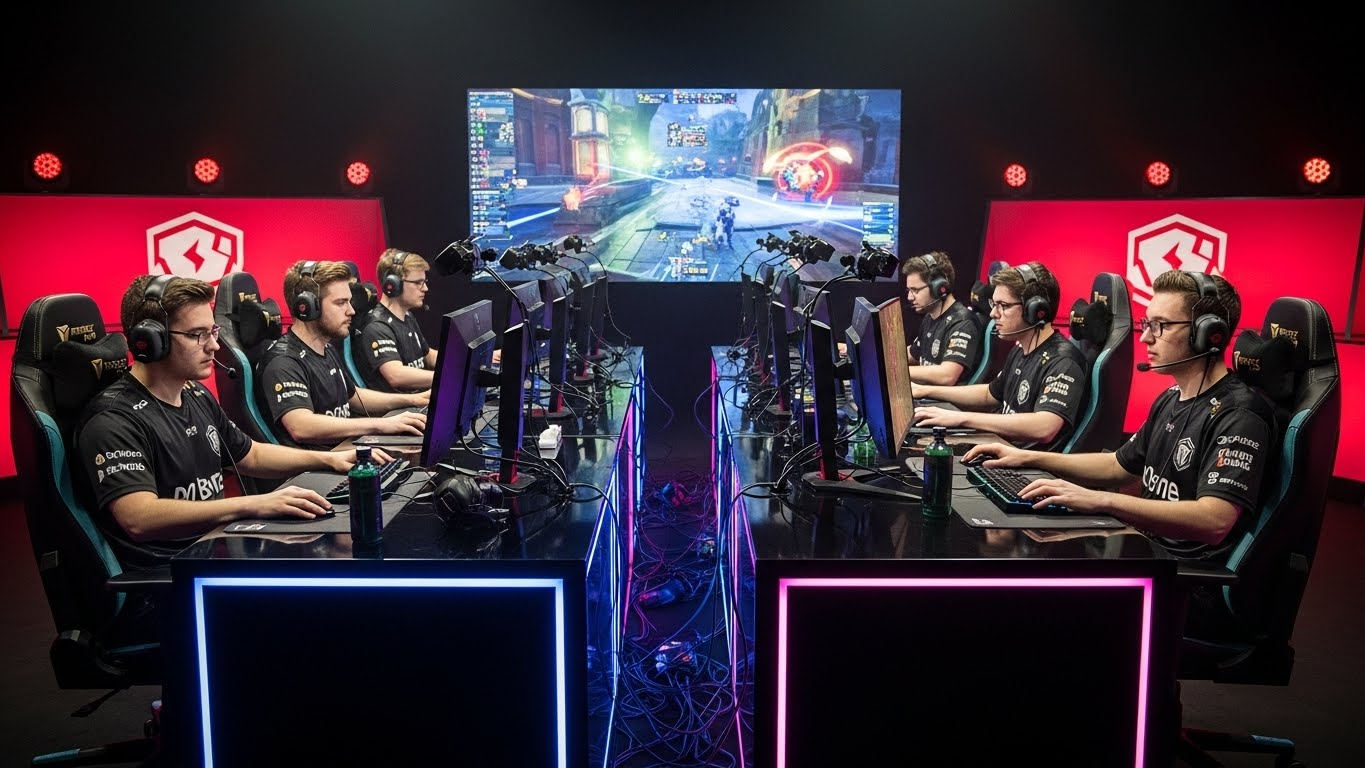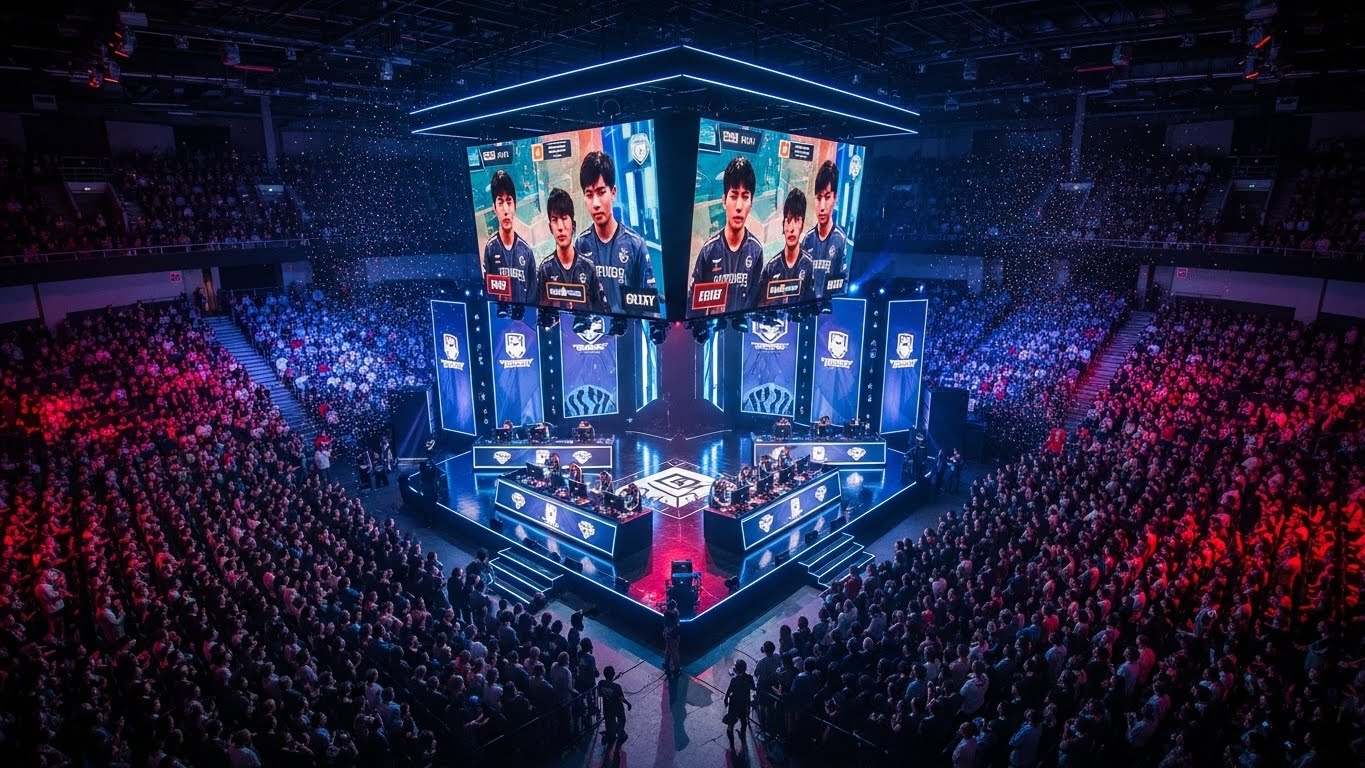
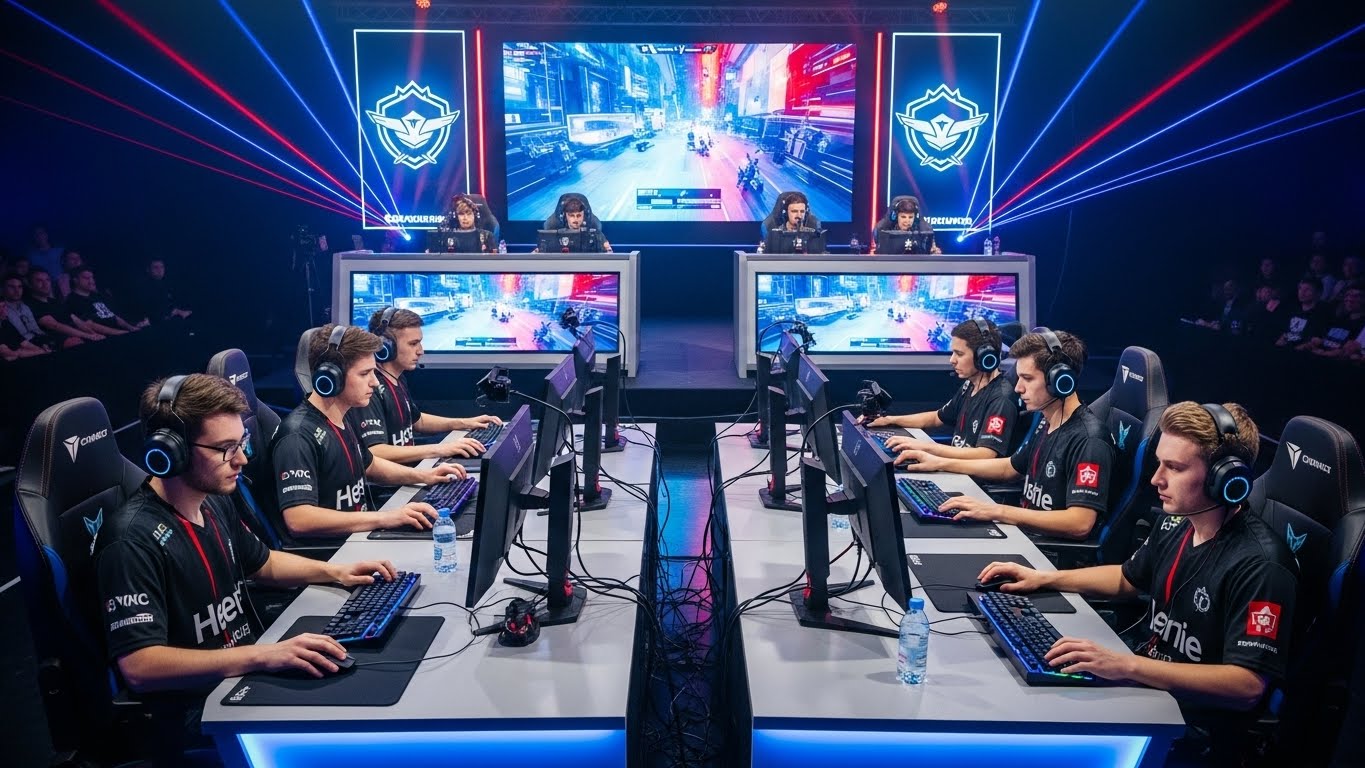
Esports, or electronic sports, has undergone a dramatic transformation over the last two decades. What once began as a niche hobby for a small group of enthusiasts has exploded into a multi-billion-dollar industry with global recognition. The rise of esports has reshaped the way we view competitive sports, entertainment, and even community building in the digital age. In this blog post, we’ll explore the evolution of esports, its impact on the global sporting landscape, the players and organizations behind the scenes, and what the future holds for this rapidly growing phenomenon.
The Origins of Esports: From Arcade Games to Competitive Play
The origins of esports can be traced back to the early days of video games in the 1970s and 1980s. Competitive gaming first began to take shape in the form of local tournaments and challenges held at arcades. One of the first notable examples of competitive gaming occurred in 1980 when Atari hosted a Space Invaders championship. Although small in scale, this event marked the beginning of the intersection between video games and competitive play.
The real explosion of esports came in the late 1990s and early 2000s with the rise of online multiplayer games. Titles like Quake, StarCraft, and Counter-Strike offered players the opportunity to compete against one another in real-time, creating a global community of competitive gamers. The internet allowed for seamless matchmaking and online tournaments, making competitive gaming more accessible to a wider audience.
The 1997 Red Annihilation tournament for Quake, which attracted players from around the world and culminated in a $20,000 prize for the winner, is often cited as one of the first major events in esports history. It was clear that there was a growing demand for organized competitions, and esports began to take its first steps toward mainstream recognition.
The Growth of Esports in the 2000s: The Birth of Major Leagues
As internet speeds improved and gaming technology advanced, esports began to evolve into a more structured and professional industry. In the early 2000s, we saw the establishment of major competitive gaming leagues that helped formalize the esports ecosystem. One of the most influential early leagues was the World Cyber Games (WCG), founded in 2000. The WCG quickly became one of the largest and most prestigious global competitions, drawing in players from multiple countries and various gaming communities.
Around the same time, Major League Gaming (MLG) was established in North America in 2002, creating a platform for competitive gamers to participate in regular tournaments. MLG became a key player in bringing esports into the spotlight, hosting events for popular titles like Halo and Call of Duty. The rapid rise of these organizations demonstrated that competitive gaming could thrive in a professional environment, and it was no longer just a hobby for enthusiasts but a legitimate career path for those skilled enough to compete at the highest level.
In South Korea, esports took on a life of its own. The country became a hotbed for competitive gaming, largely due to the national obsession with games like StarCraft. The Korean Pro League (KPL) for StarCraft helped propel the country into the esports limelight, and televised broadcasts of StarCraft matches on cable networks like MBCGame became hugely popular. By the mid-2000s, South Korea had a well-established professional gaming culture, with players gaining celebrity status and massive fan followings.
The Professionalization of Esports: Sponsorships, Salaries, and Global Recognition
As esports began to mature in the late 2000s and early 2010s, it became clear that the industry was evolving into something far beyond local tournaments and small-scale leagues. One of the most important catalysts for this change was the influx of sponsorships and media attention. Major companies outside the gaming industry began to recognize the potential of esports as a marketing platform. Brands like Coca-Cola, Intel, and Red Bull started sponsoring esports events, contributing significant financial support to help elevate the professional scene.
With sponsorships came the opportunity for players to earn substantial salaries. Top-tier esports professionals began to make a living from their skills, earning money through tournament winnings, sponsorships, streaming, and merchandise sales. The income potential for esports athletes was no longer limited to a few exceptional players—many had the opportunity to become full-time professionals.
The success of games like League of Legends, Dota 2, and Counter-Strike: Global Offensive (CS:GO) further accelerated the professionalization of the industry. Riot Games’ League of Legends (LoL), for example, became a global phenomenon, with its annual League of Legends World Championship attracting millions of viewers from around the world. The prize pools for these events grew exponentially, with the 2018 Dota 2 International boasting a prize pool of over $25 million, a testament to how far esports had come in terms of financial support and audience engagement.
Esports also began to receive more mainstream media coverage. Television networks like ESPN started broadcasting esports tournaments, further legitimizing the industry. The partnership between ESPN and MLG to air competitive gaming content helped bridge the gap between traditional sports fans and the growing esports audience.
The Rise of Streaming Platforms: Twitch, YouTube, and the Age of Content Creation
Another major factor in the growth of esports has been the rise of streaming platforms like Twitch and YouTube. These platforms allowed gamers to not only watch live competitions but also engage with their favorite players, teams, and content creators in real-time. Streaming transformed esports into an interactive experience, where viewers could watch live gameplay, participate in discussions, and even donate to their favorite streamers.
Twitch, in particular, played a pivotal role in the growth of esports. Founded in 2011, the platform quickly became the go-to destination for live gaming content. Twitch gave players the opportunity to stream their practice sessions, interact with fans, and even host their own tournaments. The ability for viewers to donate directly to their favorite streamers created a new revenue stream for gamers, further fueling the professionalization of the industry.
In addition to live broadcasts, YouTube also became an important hub for esports content. Many professional players and organizations began uploading highlights, tutorials, and behind-the-scenes footage to their YouTube channels, building a larger online presence and reaching a broader audience.
Streaming platforms did more than just provide entertainment—they created an entirely new form of community engagement. The interactive nature of Twitch streams and YouTube videos allowed fans to become more connected with the esports ecosystem, building a global community of fans and players who shared a passion for competitive gaming.
The Global Impact of Esports: Regional Dominance and International Competitions
As esports continued to grow, it became clear that the competitive gaming landscape was becoming increasingly global. While countries like South Korea, China, and the United States had established dominant esports cultures, other regions began to emerge as important players on the world stage.
In Europe, countries like Sweden and Finland produced top-tier players and teams in games like CS:GO and Dota 2. Teams such as Ninjas in Pyjamas (NiP) and Fnatic became household names, competing in international tournaments and winning global titles. In Southeast Asia, games like Mobile Legends and Arena of Valor became incredibly popular, leading to the formation of regional leagues and massive fan followings.
China’s role in esports cannot be overlooked, either. With a population of over 1.4 billion people and a rapidly growing gaming culture, China has become a powerhouse in competitive gaming. The Chinese League of Legends Pro League (LPL) is one of the most prestigious leagues in the world, and Chinese teams have consistently been strong contenders in international competitions like the League of Legends World Championship and The International for Dota 2.
In the United States, esports continues to thrive, with major leagues like the Overwatch League and the Call of Duty League attracting top players from around the world. These leagues have embraced traditional sports-style formats, with city-based teams, regional rivalries, and live audience events, making esports even more appealing to a mainstream audience.
The Future of Esports: A Multi-Billion-Dollar Industry
As esports continues to expand, the future of the industry looks incredibly promising. According to recent industry reports, the global esports market is expected to surpass $1.5 billion in revenue by 2023. This growth is being driven by increasing viewership, sponsorship deals, and media rights agreements, as well as the rise of mobile gaming.
Esports’ crossover with traditional sports is also becoming more pronounced. As more professional sports teams and athletes invest in esports, we’re seeing an increased focus on the overlap between gaming and traditional sports. Major football clubs like FC Barcelona and Paris Saint-Germain have already launched their own esports teams, and famous athletes like Shaquille O’Neal and Michael Jordan have invested in esports organizations and platforms.
Furthermore, the rise of virtual reality (VR) and augmented reality (AR) technologies could open up new possibilities for esports in the future. VR esports, which offers players the chance to compete in fully immersive virtual environments, could become a major part of the industry. Similarly, AR games could create new forms of interactive competition that blend physical and digital experiences.
One of the most exciting developments in esports is the growing interest in the educational sector. Many universities around the world are beginning to offer scholarships for esports athletes and have established dedicated esports programs and facilities. Esports is being recognized as a legitimate avenue for student-athletes, with programs focused not only on gameplay but also on content creation, team management, and event production.