Introduction: The Rise of Esports
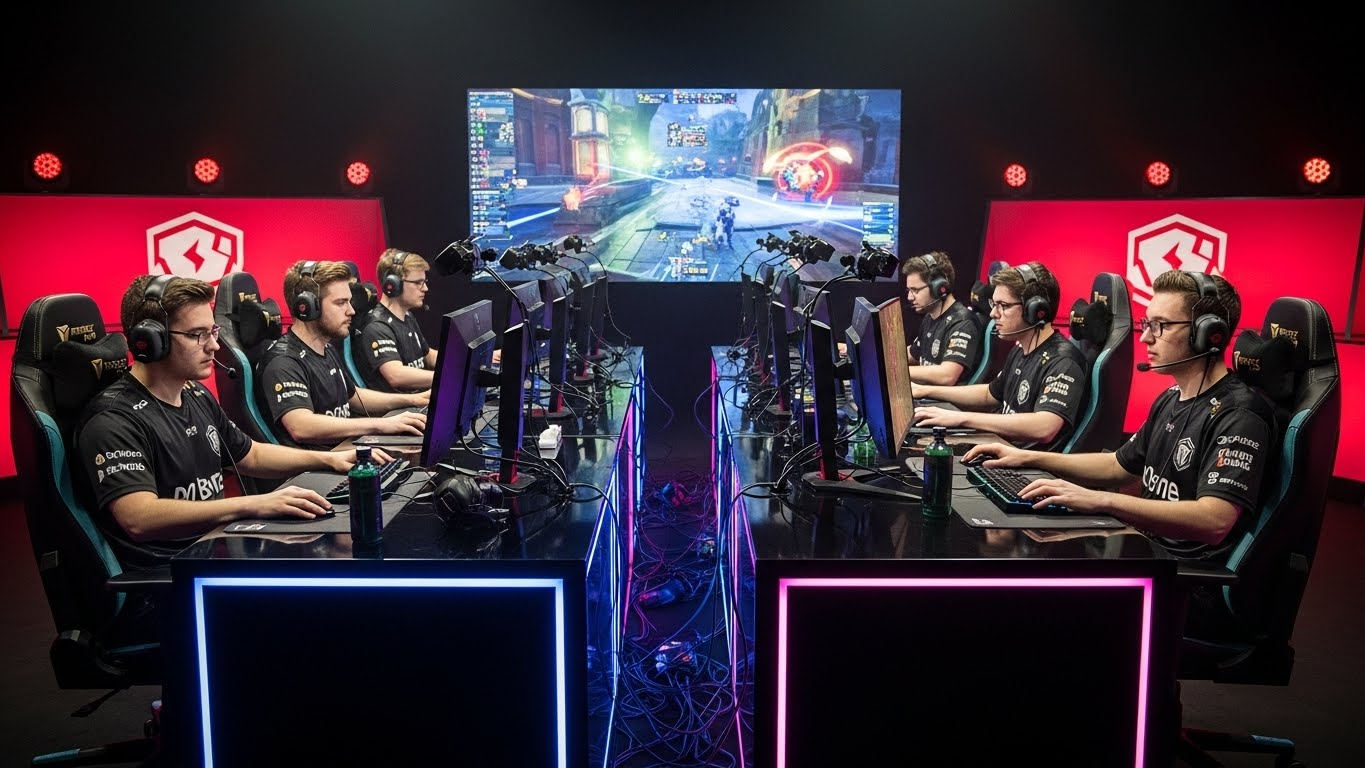
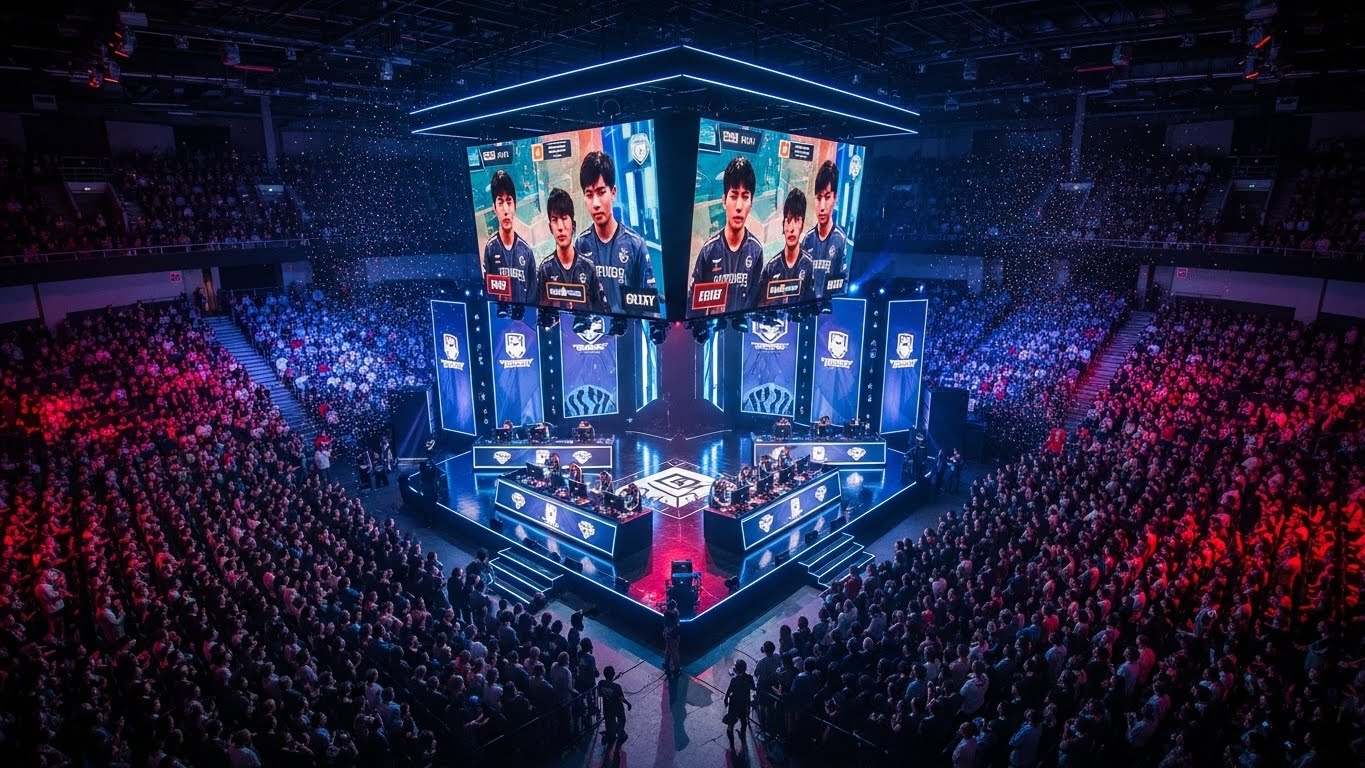
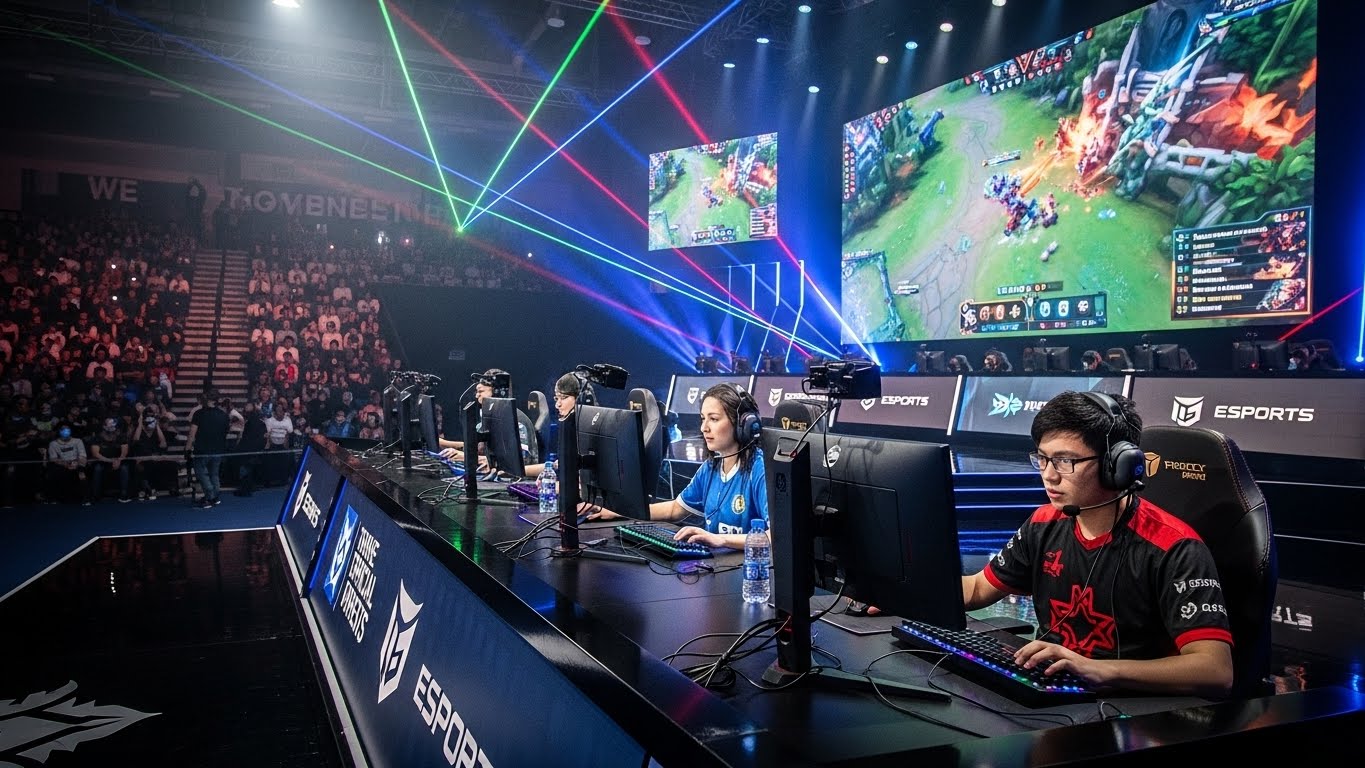
Esports, or competitive video gaming, has emerged as one of the fastest-growing sectors in global entertainment. What began as casual multiplayer gaming has evolved into a professional industry, attracting millions of players and fans worldwide. From online tournaments to stadium-filling competitions, esports combines skill, strategy, teamwork, and entertainment in unprecedented ways. Beyond leisure, it has become a legitimate career path, a global community, and a cultural phenomenon that is reshaping how people perceive sports, competition, and digital engagement.
The History of Esports
The roots of esports trace back to the 1970s and 1980s, when arcade gaming competitions became popular in the United States and Japan. Games like “Space Invaders” and “Pac-Man” sparked local tournaments, laying the foundation for competitive gaming. The 1990s brought networked PC games, including “StarCraft” and “Counter-Strike,” which enabled players to compete across regions. By the early 2000s, professional leagues, live broadcasts, and sponsorships formalized esports as an organized industry. Today, esports spans multiple genres, including first-person shooters, real-time strategy, battle royales, and multiplayer online battle arenas, reflecting decades of growth and innovation.
The Popularity of Esports
Esports has experienced explosive growth in both participation and viewership. Millions of players compete daily, while tournaments attract millions of viewers worldwide. Platforms such as streaming services and social media amplify accessibility, allowing fans to follow live events, watch tutorials, and interact with players. The popularity of esports transcends age, gender, and geography, creating a diverse and inclusive community united by a passion for gaming. Its rise demonstrates that digital competition has the power to rival traditional sports in both excitement and global impact.
Esports as a Professional Career
Esports is no longer just a hobby; it is a viable professional path. Competitive players train rigorously, often dedicating hours daily to refining skills, strategies, and teamwork. Professional teams offer salaries, sponsorship deals, and prize money, while coaching, content creation, and event management provide additional career opportunities. Universities and organizations now offer esports scholarships, further legitimizing the industry. Esports careers demand discipline, focus, and resilience, demonstrating that competitive gaming requires the same dedication as traditional athletic pursuits.
The Role of Strategy and Skill
Esports is not solely about reflexes or speed; it is a game of strategy, decision-making, and adaptability. Players must anticipate opponents’ moves, analyze patterns, and execute complex tactics in real-time. Games such as “League of Legends,” “Dota 2,” and “Overwatch” require coordination and strategic planning, while battle royale titles demand resource management and survival instincts. Success in esports combines cognitive skill, technical precision, and teamwork, illustrating the depth and complexity of competitive gaming.
Teamwork and Communication in Esports
Team-based esports titles highlight the importance of communication and collaboration. Players must coordinate roles, share information, and make split-second decisions to achieve objectives. Effective teamwork distinguishes elite players from casual participants, emphasizing trust, accountability, and adaptability. Beyond gameplay, team dynamics extend to coaching, analysis, and community interaction, reinforcing the social and collaborative aspects of esports. These skills often translate into real-life abilities such as leadership, problem-solving, and cooperation.
Technology and Innovation in Esports
Technology is central to the esports ecosystem. High-performance computers, consoles, peripherals, and fast internet connections create a competitive environment where precision and reliability matter. Streaming technology enables global audiences to follow matches in real time, while analytics and performance tracking tools help players improve. Emerging innovations like virtual reality, augmented reality, and AI-driven coaching are expanding the possibilities of esports, making the experience more immersive, interactive, and data-driven. Technology not only drives gameplay but also enhances engagement for fans and players alike.
The Economics of Esports
Esports has become a multi-billion-dollar industry. Revenue streams include sponsorships, advertising, ticket sales, merchandise, media rights, and streaming platforms. Major tournaments offer prize pools exceeding millions of dollars, attracting top talent and global attention. Brands invest heavily in esports marketing, recognizing its potential to reach younger, tech-savvy audiences. The economic impact of esports extends beyond players, supporting a wide network of developers, event organizers, broadcasters, and content creators. Its growth demonstrates the commercial viability and sustainability of competitive gaming.
Esports and Fan Engagement
Fan engagement is a defining feature of esports. Unlike traditional sports, esports allows fans to interact directly with players through live streams, chats, and social media platforms. Fans can participate in online communities, join tournaments, and even influence game development through feedback. This high level of interactivity strengthens loyalty and creates a sense of belonging within the esports ecosystem. The combination of accessibility, immersion, and personal connection differentiates esports from other forms of entertainment.
Health and Well-Being in Esports
While esports offers numerous opportunities, it also presents challenges related to health and well-being. Extended gaming sessions can lead to physical strain, such as eye fatigue, back pain, and repetitive stress injuries. Mental health is equally important, as competitive pressure, burnout, and online toxicity can affect players. Leading esports organizations emphasize the importance of physical fitness, balanced schedules, and mental health support to ensure sustainable careers. Responsible practices are essential for maintaining long-term success and overall well-being.
Diversity and Inclusion in Esports
Esports is increasingly promoting diversity and inclusion. Players from different genders, nationalities, and backgrounds participate and compete at the highest levels. Initiatives focused on encouraging women, minority groups, and underrepresented communities are gaining traction, fostering an inclusive environment. By celebrating diversity, esports becomes a platform for equal opportunity, community building, and cultural exchange, enhancing its global appeal and societal impact.
The Future of Esports
The future of esports promises continued growth, innovation, and integration with broader entertainment industries. Virtual reality competitions, AI-driven coaching, and immersive fan experiences are likely to become standard. Expansion into new regions and increased professionalization will attract fresh talent and audiences. Esports may also integrate with traditional sports through hybrid events and cross-industry collaborations. As technology, culture, and commerce converge, esports is poised to redefine the landscape of competitive entertainment.
Esports and Education
Esports is increasingly finding a place in education. Schools and universities are establishing esports programs, providing students with opportunities to develop teamwork, strategic thinking, and digital literacy. Scholarships and structured competitions support academic and personal growth while nurturing talent for professional careers. Educational initiatives in esports demonstrate its potential as a tool for learning, skill development, and career preparation in a technology-driven world.
Esports as a Cultural Phenomenon
Esports has become a cultural phenomenon, influencing media, fashion, music, and social interaction. Iconic players become celebrities, inspiring fans and setting trends. Online communities create content such as tutorials, memes, and commentary, contributing to a shared culture that extends beyond gaming. Esports also reflects broader societal trends, including digital connectivity, inclusivity, and the blending of entertainment and competition. Its cultural impact underscores esports as more than a hobby—it is a defining element of modern youth culture.
Conclusion: Esports as the Future of Competitive Entertainment
Esports has transformed the way people engage with games, competition, and entertainment. It combines skill, strategy, teamwork, and technological innovation in a dynamic and interactive format. As a professional industry, esports offers career opportunities, economic impact, and global recognition. Beyond competition, it fosters social connections, cultural engagement, and personal development. With ongoing innovation and expanding accessibility, esports is redefining the meaning of sport, entertainment, and digital culture. Its rise signals a future where virtual competition is as impactful and celebrated as traditional athletics.