Introduction: A New Era of Competition
In the past decade, a revolution has quietly reshaped the landscape of competitive sports. This revolution is digital, fast-paced, and highly immersive—it is esports. Once considered a niche hobby for video game enthusiasts, esports has now evolved into a global phenomenon that rivals traditional sports in both popularity and revenue. From sold-out stadiums to multi-million-dollar prize pools, esports is no longer just about playing games; it has become a legitimate form of entertainment, career, and cultural movement. But what is it about esports that has captured the attention of millions worldwide, and how is it transforming the world of competitive entertainment?
The Origins of Esports: From Basement to Stadium
The history of esports dates back several decades, rooted in the early days of video gaming. Competitive gaming initially took shape in arcades and small local tournaments where players tested their skills in games like Pac-Man, Street Fighter, and StarCraft. The advent of personal computers and the internet in the late 1990s allowed players from around the globe to compete virtually, giving rise to professional gaming communities and organized tournaments.
The term “esports” itself is a shorthand for electronic sports, referring to competitive video gaming on a professional level. Early esports leagues laid the foundation for today’s thriving ecosystem, and the rise of platforms like Twitch and YouTube gaming in the 2010s transformed esports from a niche hobby into a spectator sport with a global audience. This shift demonstrates that esports is not only about skillful gameplay but also about creating a culture, a fanbase, and a narrative that people can follow passionately.
The Popularity Surge: Why Esports Is Everywhere
The meteoric rise of esports can be attributed to several factors. First, accessibility plays a key role. Unlike traditional sports that require physical infrastructure, equipment, and training, esports allows anyone with a computer or gaming console to participate. This inclusivity has attracted a diverse audience across age groups, genders, and nationalities.
Second, the digital nature of esports aligns perfectly with modern entertainment consumption. Streaming platforms allow fans to watch tournaments live, interact with players and commentators, and even influence the game environment in real-time. Esports also taps into the social aspects of gaming, creating communities that thrive on shared experiences and rivalries.
Finally, the professionalization of esports has made it increasingly mainstream. Teams are now backed by sponsors, coaches, and analysts, mirroring traditional sports structures. Major tournaments like The International in Dota 2, League of Legends World Championship, and the Fortnite World Cup have not only attracted millions of viewers but also offered prize pools worth tens of millions of dollars, signaling that esports is a serious career path for elite players.
The Esports Ecosystem: Players, Teams, and Tournaments
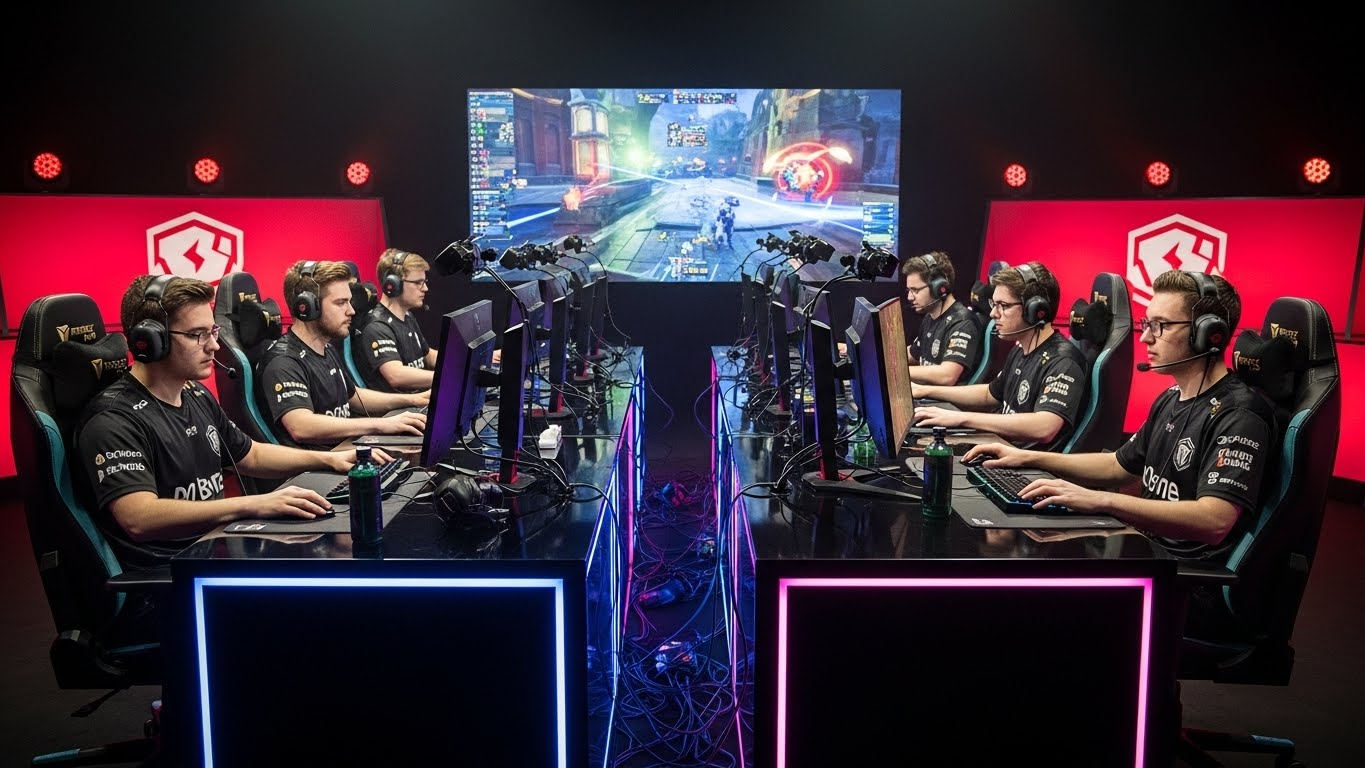
At the heart of esports is the ecosystem that supports competitive play. Professional players dedicate hours each day to practice, strategy, and teamwork, much like athletes in traditional sports. Unlike casual gaming, professional esports requires discipline, mental fortitude, and a deep understanding of game mechanics.
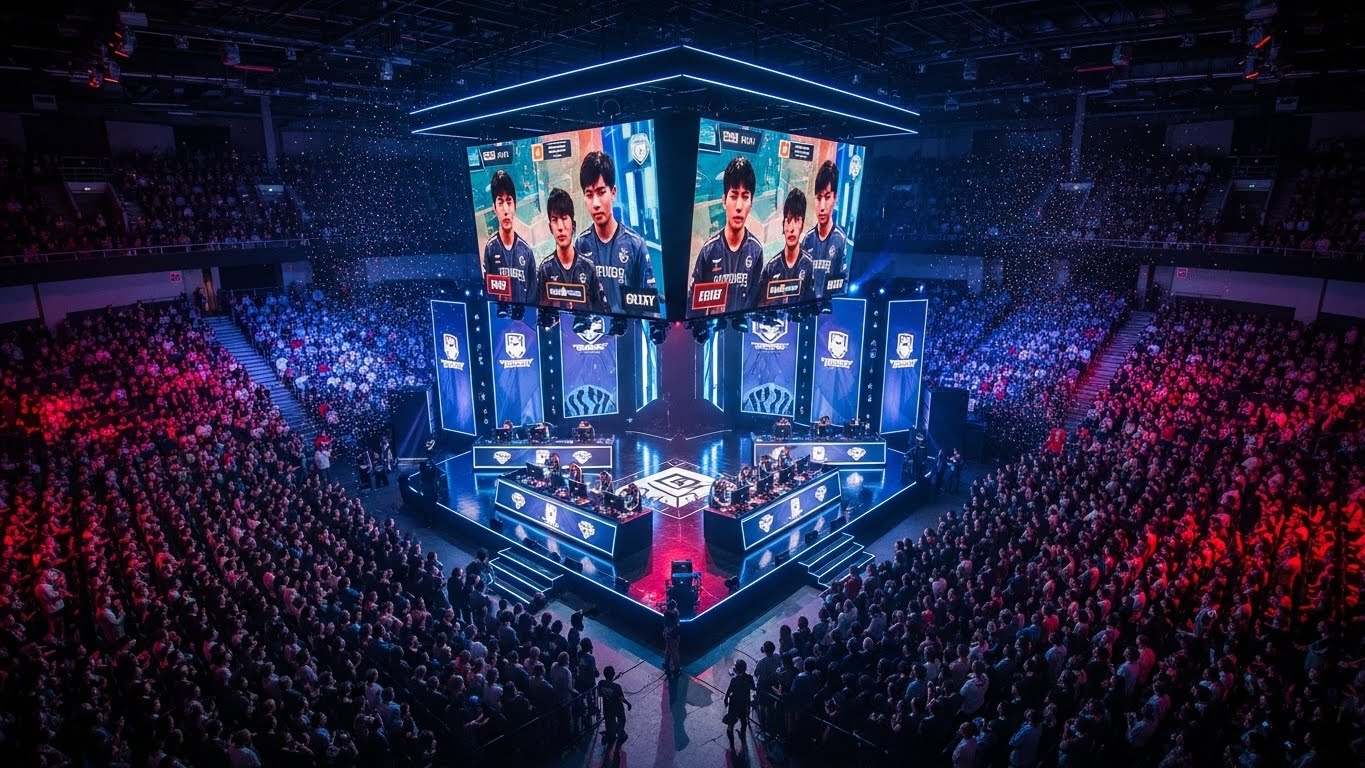
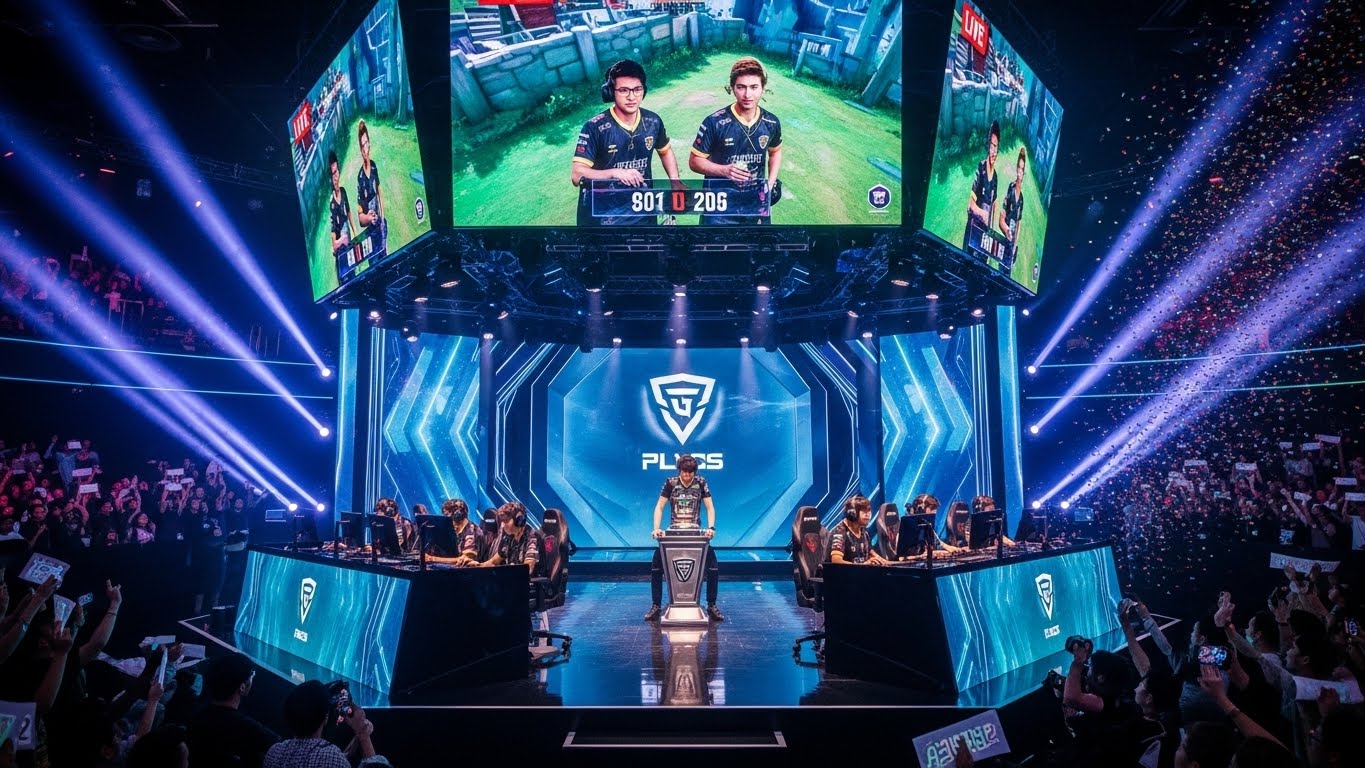
Teams are often structured like sports franchises, complete with coaching staff, analysts, and medical personnel. These teams compete in leagues and tournaments organized at regional, national, and international levels. Esports tournaments can range from small-scale local competitions to massive global events filling stadiums with tens of thousands of fans. The production quality of these tournaments rivals that of traditional sports broadcasts, featuring commentary, live statistics, player interviews, and elaborate stage designs.
The Role of Technology in Esports Growth
Technology has been the backbone of esports growth. High-speed internet, powerful gaming hardware, and advanced software have made competitive gaming seamless and accessible. Streaming technology has allowed fans worldwide to follow tournaments in real-time, while virtual reality and augmented reality are beginning to create more immersive spectator experiences.
Additionally, analytics and performance tracking have become essential in esports. Teams use data to analyze player performance, optimize strategies, and even predict opponents’ moves. Artificial intelligence is also playing a role in training, with AI-driven simulations helping players improve reaction times and decision-making under pressure. Technology has not only enhanced gameplay but has also transformed esports into a data-driven, strategic form of competition that mirrors professional sports in sophistication.
Economic Impact: Esports as a Billion-Dollar Industry
Esports has grown into a multi-billion-dollar industry, attracting investment from traditional sports teams, media companies, and tech giants. Revenue streams include sponsorships, advertising, merchandising, ticket sales, and media rights. Brands ranging from energy drinks to technology companies have embraced esports as a marketing platform, recognizing the enormous influence of gaming communities.
Furthermore, the professionalization of esports has created a wide array of career opportunities. Beyond players, there are roles in coaching, management, event production, broadcasting, content creation, marketing, and analytics. Universities have even started offering esports scholarships, highlighting the growing recognition of gaming as a legitimate and rewarding career path.
Cultural Influence: Gaming Communities and Fandom
Esports has cultivated a vibrant culture that extends far beyond the game itself. Fans are deeply invested in teams, players, and narratives, creating passionate communities that share memes, strategies, and live reactions. This culture thrives on social media, streaming platforms, and forums, where fans interact directly with players and fellow enthusiasts.
Cosplay, fan art, and esports-themed merchandise further solidify the cultural impact of competitive gaming. The sense of belonging and shared identity within these communities has transformed esports into more than just entertainment—it has become a lifestyle for millions of people worldwide.
Challenges Facing Esports
Despite its rapid growth, esports faces several challenges. One major concern is sustainability. Professional gamers often face intense schedules, long hours of practice, and high pressure, which can lead to burnout and mental health issues. The industry is still developing standardized regulations for contracts, player rights, and labor conditions, which can leave players vulnerable.
Another challenge is mainstream acceptance. While esports is gaining recognition, some skeptics still question whether it qualifies as a “real sport” due to its digital nature. Additionally, the industry must address issues like cheating, hacking, and toxicity within gaming communities to ensure a safe and fair environment for players and fans alike.
The Future of Esports: Innovation and Expansion
The future of esports is incredibly promising. With technological advancements like virtual reality, cloud gaming, and AI-driven analytics, the boundaries of what esports can offer are constantly expanding. Esports is likely to become even more immersive, interactive, and global in reach.
Education and grassroots programs are also helping nurture new talent, ensuring a steady pipeline of skilled players. Moreover, the potential inclusion of esports in multi-sport events and even discussions about the Olympics indicate that competitive gaming may soon achieve a level of mainstream recognition comparable to traditional athletics.
Conclusion: Esports as a Cultural Phenomenon
Esports has transcended its origins as a hobby and emerged as a defining feature of modern entertainment. It blends competition, storytelling, technology, and culture into an electrifying experience for players and fans alike. As the industry continues to grow, it challenges traditional notions of sport, entertainment, and career paths, proving that the digital arena is as dynamic, strategic, and exhilarating as any physical stadium. The rise of digital gladiators is not just a trend—it is a lasting cultural phenomenon that continues to reshape the way we perceive competition, community, and creativity in the 21st century.