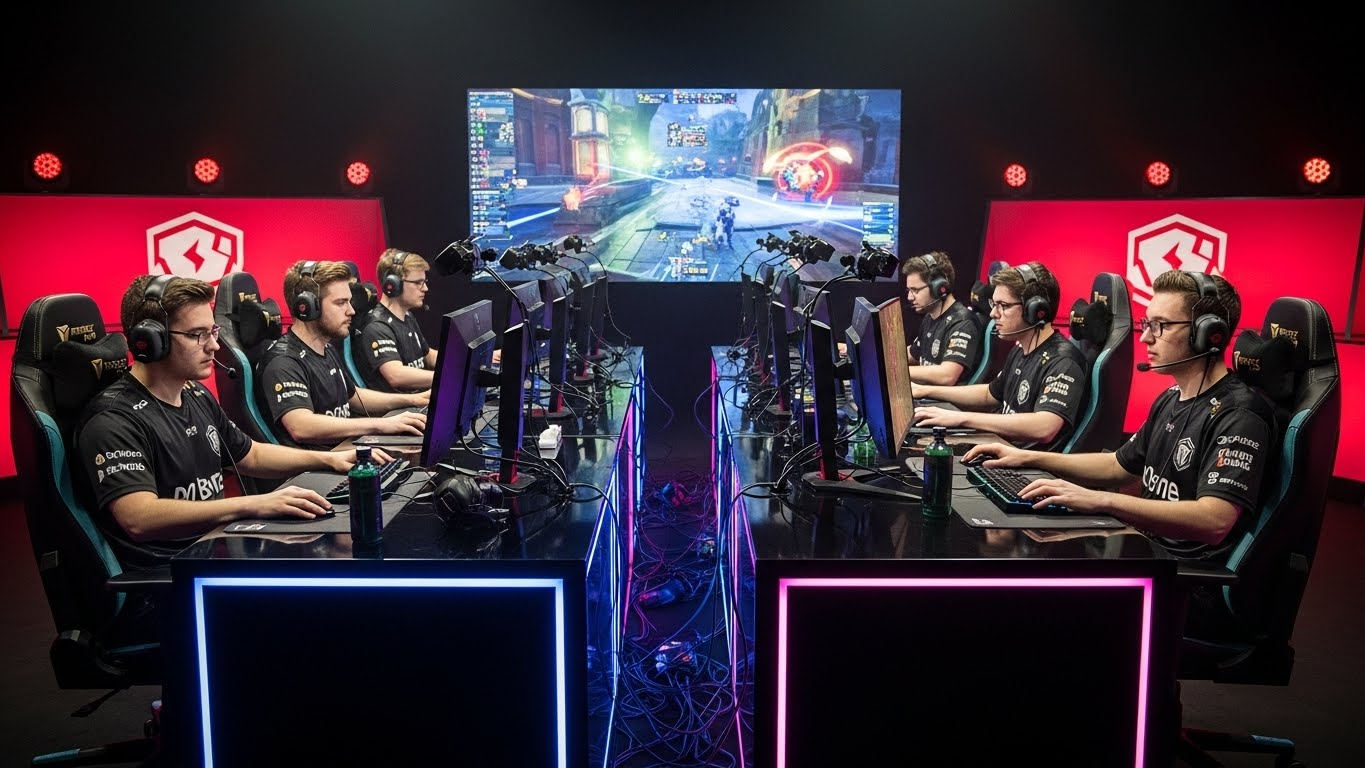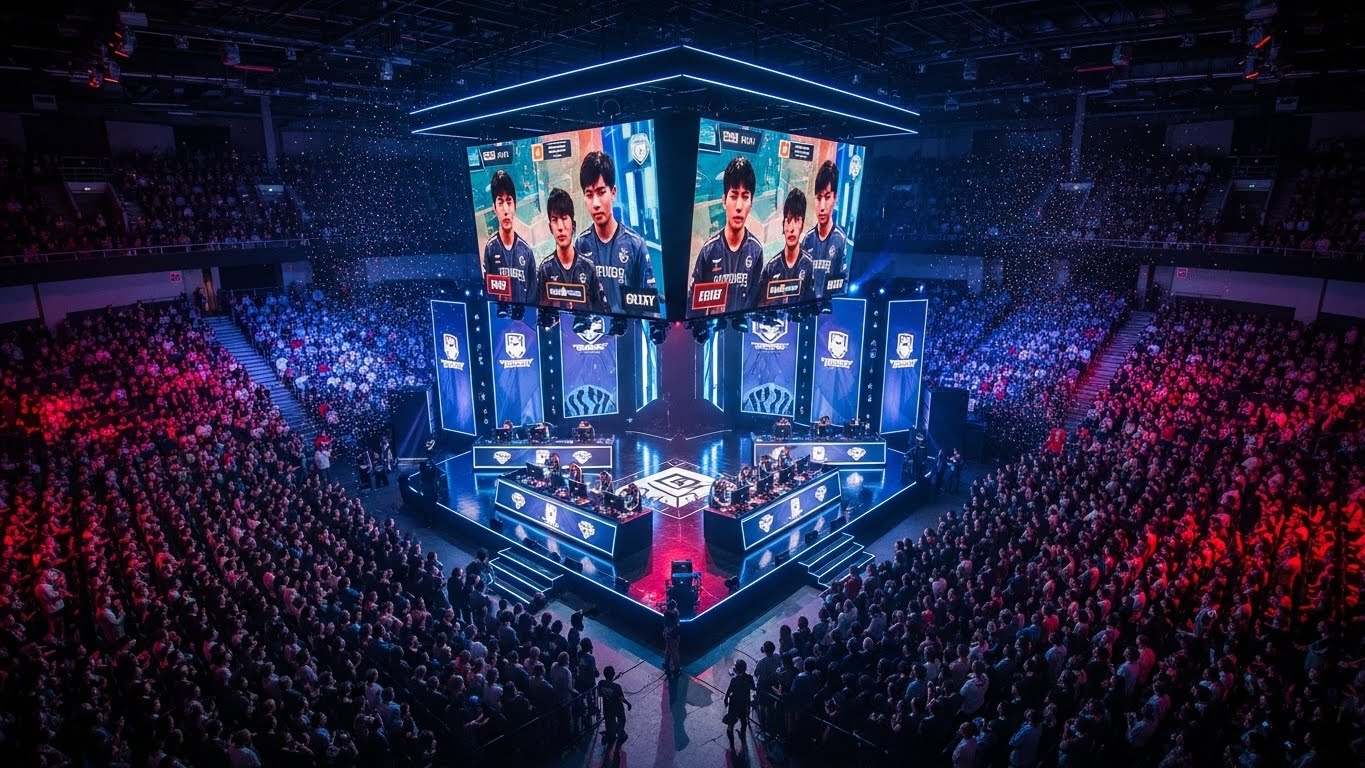
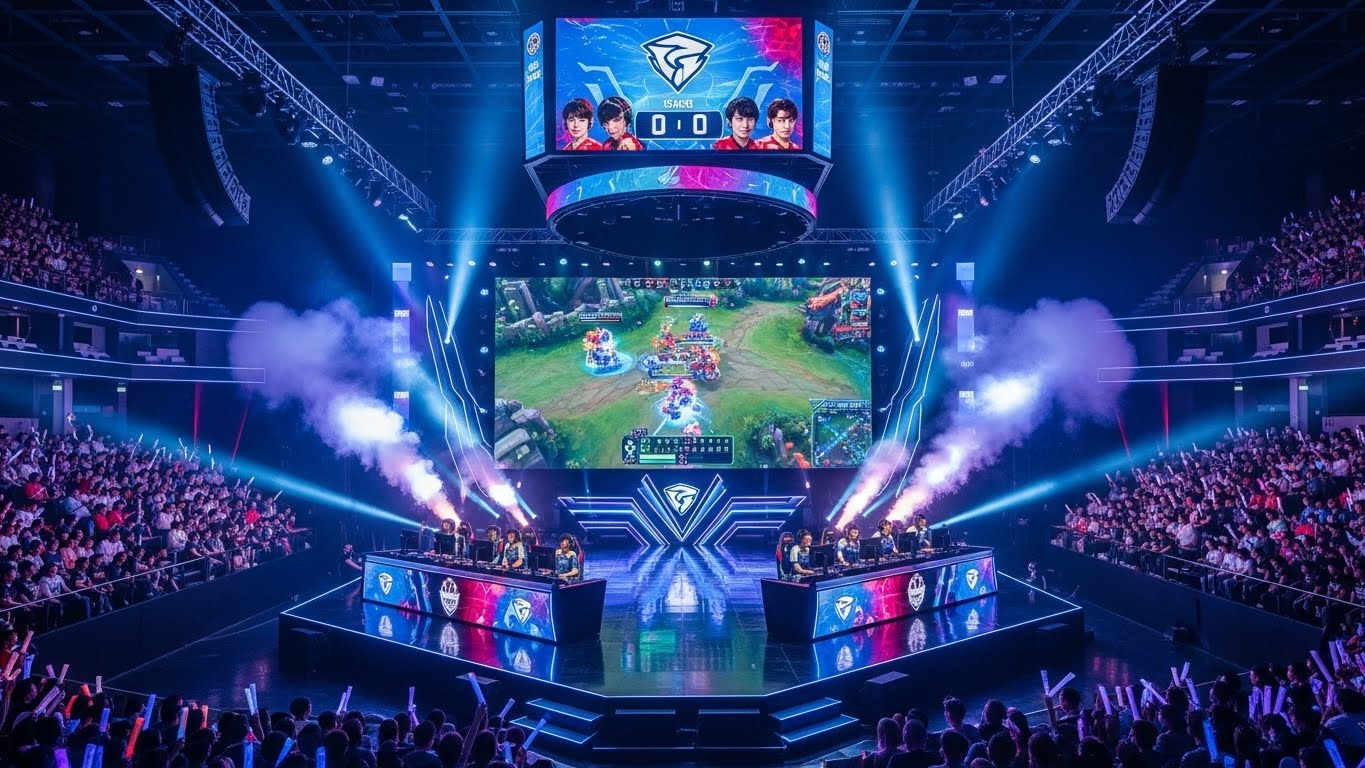
Esports, or competitive video gaming, has evolved from a niche hobby into a global phenomenon that captivates millions of players and viewers alike. With professional leagues, international tournaments, and multi-million-dollar prize pools, esports is no longer just a pastime—it is a legitimate industry, a cultural movement, and a new form of athleticism. This article explores the rise of esports, its impact on society, the benefits and challenges of participation, and the future of this rapidly expanding digital arena.
The Origins of Esports
The roots of esports can be traced back to the early days of video gaming. In the 1970s and 1980s, arcade competitions and small-scale tournaments laid the foundation for organized gaming contests. Games like Pong, Space Invaders, and Pac-Man attracted enthusiasts who competed for high scores and recognition. By the 1990s, the advent of multiplayer PC games such as Doom and StarCraft gave rise to local and regional tournaments, fostering a competitive community. The emergence of the internet enabled online play, connecting players across continents and making esports a truly global phenomenon. Understanding these origins helps to appreciate how far the industry has come and why it resonates so strongly with diverse audiences.
The Rise of Professional Esports
The professionalization of esports accelerated in the 2000s with the creation of structured leagues, sponsorships, and televised events. Major titles such as League of Legends, Dota 2, Counter-Strike, and Overwatch became central to competitive circuits, drawing players who treat gaming as a full-time career. Professional esports organizations manage players, coaches, and support staff, similar to traditional sports teams. Sponsorships from major brands, media rights deals, and merchandise sales have turned esports into a multi-billion-dollar industry. The rise of professional esports demonstrates that competitive gaming is not only entertaining but also a viable career path for talented individuals.
Esports as a Cultural Phenomenon
Esports has grown into a cultural force that transcends traditional gaming. It has created communities, influenced fashion, and inspired music and entertainment content. Streaming platforms allow players to broadcast their gameplay to millions of viewers, blurring the lines between athletes and entertainers. Fans engage with their favorite players and teams in real time, fostering a sense of connection and loyalty. Esports events also celebrate creativity and skill, much like traditional sports, while promoting global cultural exchange. The cultural impact of esports highlights its power to shape trends, build communities, and redefine what it means to be a competitive athlete.
The Physical and Cognitive Benefits of Esports
Although esports is often perceived as a sedentary activity, it offers several cognitive and physical benefits. Competitive gaming requires intense focus, strategic thinking, and rapid decision-making. Players develop problem-solving skills, multitasking abilities, and hand-eye coordination. Certain games also enhance memory and spatial awareness, challenging players to think several steps ahead. While physical fitness is not the central focus of esports, many professional players incorporate exercise and healthy routines to improve reaction time, endurance, and overall well-being. When approached mindfully, esports can be a stimulating and rewarding activity that strengthens both the mind and the body.
Mental Health and Emotional Resilience
Esports also plays a role in mental and emotional development. Competitive gaming fosters resilience, perseverance, and stress management as players navigate intense matches and high-pressure situations. Learning to cope with wins and losses helps build emotional maturity and patience. Furthermore, esports provides a sense of achievement and belonging for participants, particularly for young individuals seeking social interaction and personal growth. However, it is essential to balance gaming with mental health practices, as excessive play or high stress can lead to burnout, anxiety, or other psychological challenges. Mindful engagement ensures that the benefits of esports outweigh the risks.
Building Social Skills and Community Through Esports
One of the most significant aspects of esports is its ability to build social connections. Online multiplayer games encourage teamwork, communication, and collaboration, essential skills for success both in and out of the game. Players often join teams, clans, or online communities where they share strategies, experiences, and support. This social aspect is particularly important for individuals who may feel isolated in traditional environments, as esports provides a sense of inclusion and belonging. Tournaments, conventions, and live events further strengthen these communities, creating spaces where players and fans can interact, celebrate achievements, and form lifelong friendships.
Esports as an Educational Tool
Esports is increasingly being recognized as an educational tool in schools and universities. Academic programs now incorporate esports into curricula, teaching students about game design, digital strategy, marketing, and team management. Participation in esports can improve critical thinking, leadership skills, and goal-setting abilities. Colleges and universities even offer scholarships for talented esports players, similar to traditional athletic scholarships. By integrating esports into education, institutions provide students with practical skills, career opportunities, and a platform for personal growth, making competitive gaming a legitimate pathway for academic and professional success.
The Economic Impact of Esports
The economic impact of esports is substantial and continues to grow. From sponsorships and merchandise sales to tournament prize pools and streaming revenue, esports contributes billions to the global economy. Brands recognize the influence of esports audiences, targeting younger demographics with tailored marketing campaigns. Cities hosting major tournaments benefit from tourism, media exposure, and infrastructure development. The industry also creates jobs in coaching, content creation, event management, and technology, highlighting its role as a significant economic driver. The financial potential of esports reinforces its status as more than just entertainment—it is a thriving business sector with global influence.
Challenges and Controversies in Esports
Despite its rapid growth, esports faces several challenges. Issues such as cheating, hacking, match-fixing, and toxic behavior can undermine the integrity of competition. Gender disparity and lack of diversity remain concerns, as female players and marginalized groups often encounter barriers to participation. Furthermore, the intense pressure of professional play can lead to physical strain, mental exhaustion, and burnout. Addressing these challenges requires effective governance, ethical standards, and inclusive policies. By promoting fair play, safety, and equal opportunity, the esports industry can maintain its credibility and continue to grow sustainably.
The Future of Esports
The future of esports is promising, with technological innovations, expanding audiences, and increasing mainstream acceptance driving growth. Virtual reality, augmented reality, and cloud gaming are transforming how games are played and experienced, making competitions more immersive and accessible. Adaptive esports for people with disabilities is gaining recognition, promoting inclusivity and representation. As esports becomes integrated into popular culture, education, and entertainment, it will continue to redefine the meaning of competition, collaboration, and athleticism in the digital age. The evolution of esports represents not only a shift in how we play games but also how we connect, learn, and experience shared passion globally.
Conclusion
Esports has transcended its origins as a casual hobby to become a global cultural and economic force. It offers cognitive, social, and emotional benefits while fostering communities, education, and career opportunities. The rise of professional leagues, international tournaments, and streaming platforms demonstrates the legitimacy and appeal of competitive gaming. Despite challenges such as cheating, burnout, and inequality, esports continues to grow, innovate, and inspire millions of players and fans worldwide. In this digital arena, skill, strategy, teamwork, and resilience are celebrated, proving that esports is not merely a game—it is a new frontier of human potential, creativity, and connection.