Introduction: A Digital Arena Reborn
Esports, once a niche corner of gaming culture, has transformed into a global entertainment powerhouse. What began as friendly battles in arcades and living rooms has evolved into stadium-filling tournaments, million-dollar competitions, and a rapidly expanding professional ecosystem. As technology advances and gaming becomes more accessible, esports continues to captivate millions around the world. This blog explores how esports rose to dominance, why it continues to expand at lightning speed, and what its future holds.
The Evolution of Competitive Gaming
Competitive gaming has existed since the earliest days of video games, but the modern age of esports truly began with the rise of internet connectivity and online multiplayer platforms. Early tournaments were modest, often held in local settings with few participants. However, the thrill of competition and the desire to showcase skill ignited a movement that would grow exponentially.
The early 2000s saw a shift as games like StarCraft, Counter-Strike, and Warcraft III captured the attention of dedicated communities. LAN parties became hubs of friendly rivalry, and small-scale tournaments began attracting serious talent. As streaming platforms emerged, gamers suddenly had a stage to share their mastery with the world. This accessibility revamped the competitive landscape and built the foundation for today’s esports phenomenon.
Esports as a Mainstream Spectator Sport
Today, esports is not just about playing; it is about watching and celebrating the mastery of digital competition. Broadcasting platforms have become the lifeline of esports, offering live coverage, commentary, and analysis that rival traditional sports productions. Fans tune in from every continent to witness their favorite teams battle in games like League of Legends, Dota 2, Valorant, Fortnite, and many more.
The appeal comes from a combination of fast-paced action, incredible skill ceilings, dynamic strategies, and ever-changing game metas. For many viewers, esports offers the same excitement as traditional sports, with an added layer of innovation and unpredictability. When professional players perform impossible feats through reflex, coordination, and intelligence, the thrill becomes undeniable.
The Rise of Professional Players and Teams
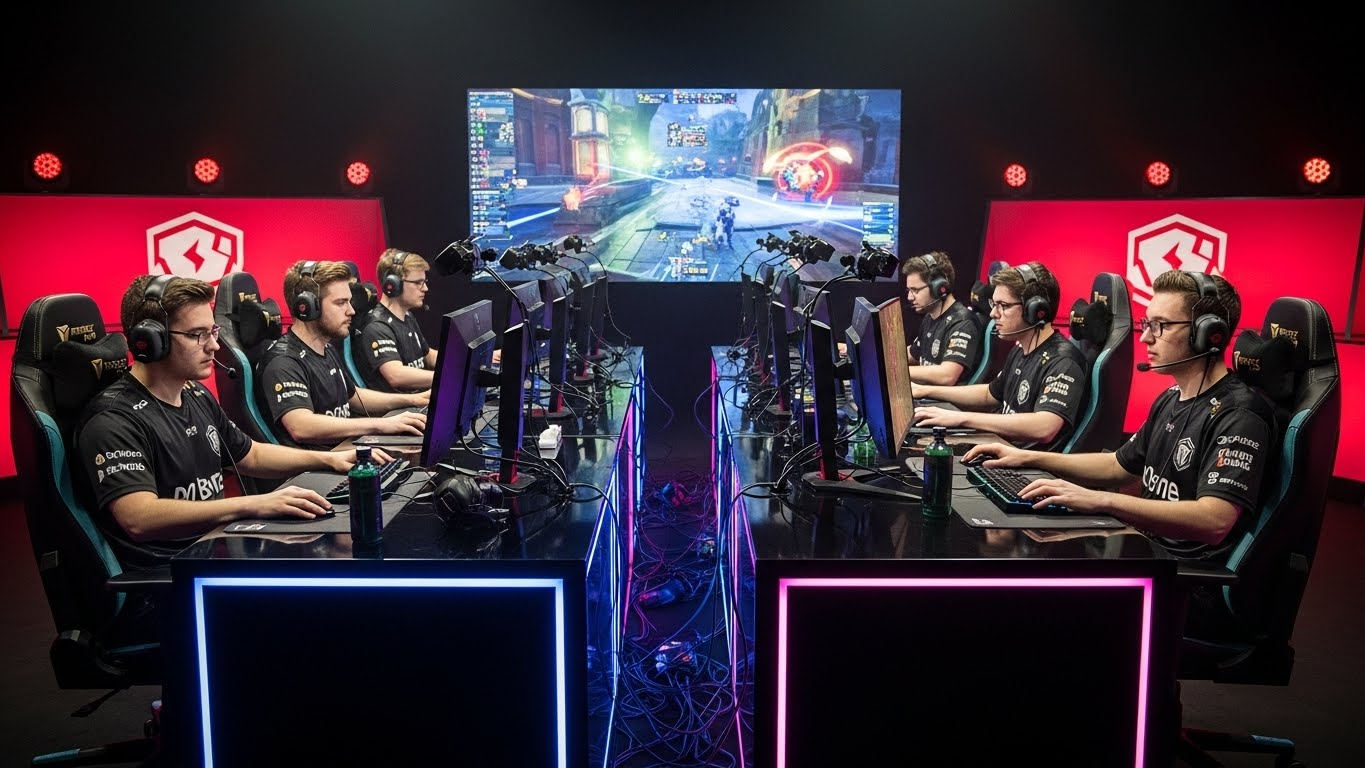
The modern esports industry thrives on its players—individuals who dedicate countless hours to mastering complex mechanics and strategies. Professional gamers train like athletes, following rigorous practice schedules, diet plans, and mental conditioning routines.
Teams resemble traditional sports organizations, complete with coaches, analysts, managers, and support staff. These structures help players perform at peak levels while managing the immense pressure that comes with competing on the global stage. Many players achieve celebrity status, gaining massive fan followings and becoming ambassadors for the games they represent.
This professionalization has elevated esports beyond hobby status. It is now a viable career path for talented individuals willing to put in the discipline and dedication required to excel.
Tournaments That Redefined Competitive Gaming
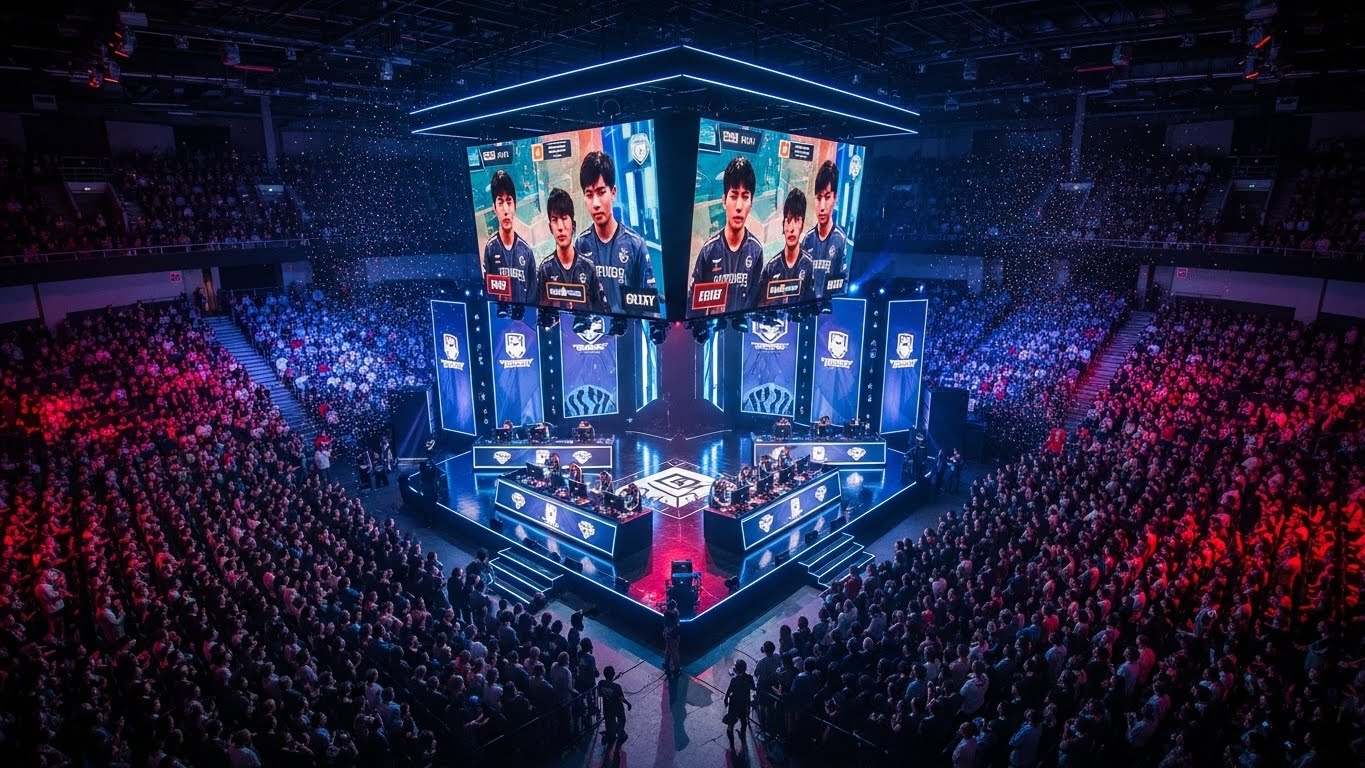
Esports tournaments today rival major sporting events in production value and audience size. Massive championships are held in iconic stadiums, drawing crowds that once belonged solely to football or basketball games.
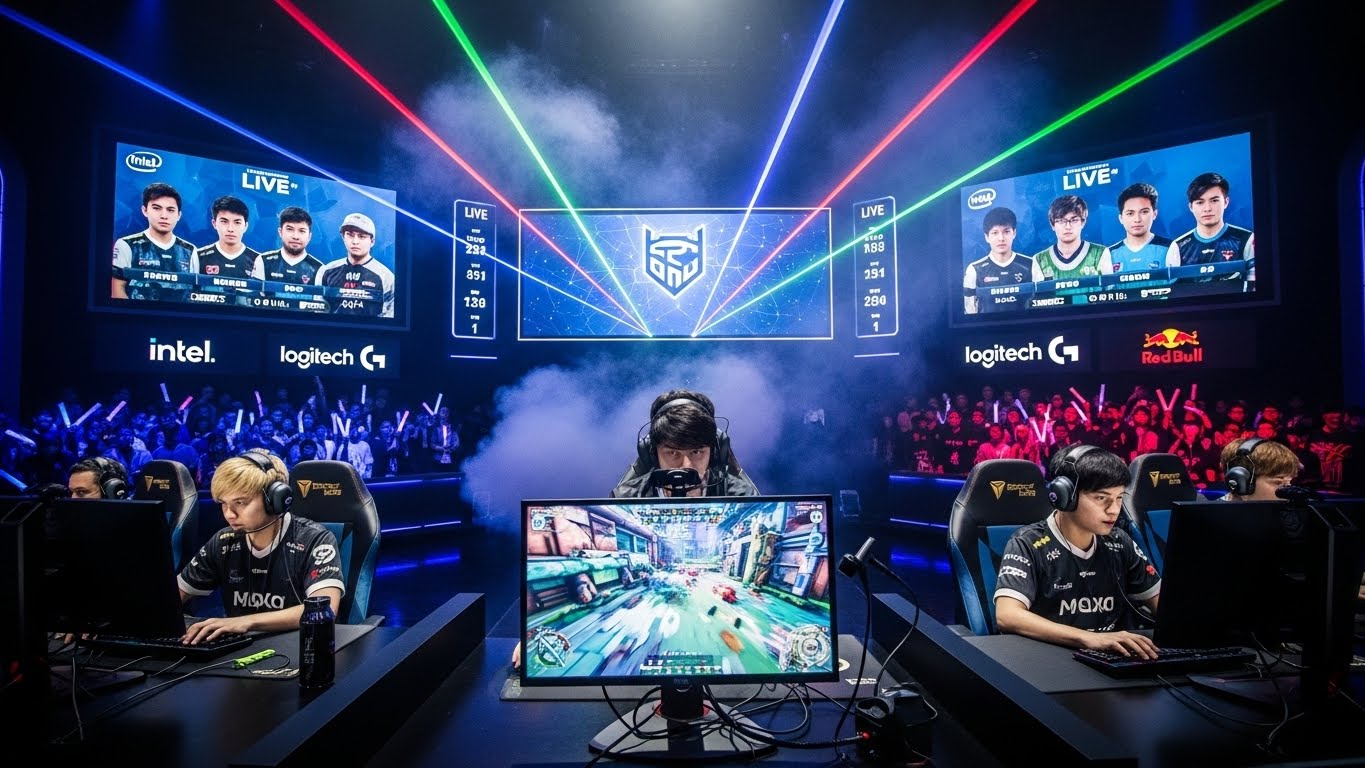
Events such as world championships in popular titles bring together elite teams from various regions, putting their skills to the ultimate test. The atmosphere in these arenas is electric—fans cheering, commentators hyping every moment, and players battling it out under the spotlight.
Prize pools have skyrocketed over the years, with major tournaments offering life-changing sums of money, pushing esports into the realm of high-stakes competition. These events not only celebrate the spirit of digital sportsmanship but also prove that esports commands global attention.
The Growth of Esports Education and Career Opportunities
Esports is not limited to playing professionally. As the industry expands, new opportunities emerge in fields like coaching, commentary, event management, marketing, content creation, and game design. Universities now offer scholarships for esports players, and academic programs focusing on esports management and gaming studies are becoming more common.
This integration into education systems highlights the industry’s long-term potential. It encourages young talent to pursue their passions while developing practical skills that can lead to sustainable careers within the gaming ecosystem.
The Role of Technology in Esports Expansion
Technology is the driving force behind the explosive growth of esports. High-speed internet, advanced graphics, powerful gaming hardware, and innovations in streaming have made it easier than ever for players and fans to connect globally.
Online platforms allow tournaments to run smoothly, while social media ensures that highlights, clips, and memes spread rapidly. Game developers continuously update and refine their titles, keeping competitions fresh and challenging. This constant evolution ensures that esports remains an engaging and dynamic form of entertainment.
Virtual reality and augmented reality are emerging technologies that promise to further redefine the esports landscape, potentially introducing new genres and competitive possibilities in the future.
Esports Communities and Their Influence
One of esports’ greatest strengths is its community. Fans are extremely passionate, engaging in discussions, supporting their favorite players, and building camaraderie that transcends borders. Online communities drive the culture of esports, shaping how games evolve and how teams operate.
These communities create fan art, memes, analysis videos, and endless discussions. They also hold developers accountable, demanding balance updates, improvements, and fairness in competitions. This feedback loop between players, fans, and developers is unique to esports and helps the industry remain vibrant and player-focused.
Esports and Youth Culture
For many young people, esports is not just entertainment—it is a lifestyle. It represents creativity, strategy, teamwork, and the joy of mastering a skill. Schools and parents are increasingly recognizing the benefits of esports, from improving hand-eye coordination to fostering teamwork and strategic thinking.
Gaming clubs, youth tournaments, and after-school esports programs are becoming common in many regions. These initiatives give young players a chance to discover their talents in an encouraging environment, potentially guiding them toward future careers in the industry.
The Economic Impact of Esports
The financial footprint of esports continues to grow. With revenues coming from sponsorships, advertising, merchandise, ticket sales, and media rights, the industry has built a robust economic ecosystem. Brands from various sectors now invest heavily in esports to reach young, tech-savvy audiences.
Event organizers, game developers, professional teams, and content creators all contribute to a thriving market. The economic significance of esports signifies that it is no longer a passing trend but a long-lasting fixture in global entertainment.
Challenges Facing the Industry
Despite its rapid growth, esports faces several challenges. The mental and physical strain on professional players can be immense. Maintaining a healthy work-life balance is difficult, and the pressure to perform consistently can lead to burnout.
In addition, maintaining fair play is essential. Developers and tournament organizers must constantly combat cheating, hacking, and unethical practices. Ensuring competitive integrity is crucial for the legitimacy of esports.
Finally, as esports expands, it must navigate issues of regulation, player rights, diversity, and accessibility. These challenges require thoughtful solutions to support sustainable long-term growth.
The Future of Esports: A New Era of Digital Competition
As the world becomes increasingly digital, esports is poised for even greater expansion. More countries are embracing competitive gaming, investing in infrastructure, and forming national esports federations. Emerging technologies promise to introduce new formats and experiences that could revolutionize how fans interact with the sport.
Esports may soon be featured in international multi-sport events, further solidifying its status alongside traditional athletics. Its influence on global culture will continue to grow, shaping entertainment, technology, and youth engagement in profound ways.
Conclusion: A Legacy in the Making
Esports has traveled a remarkable path—from small gatherings of passionate gamers to a global industry commanding millions of fans. It stands as a testament to innovation, creativity, and the power of digital connection. With its competitive spirit, dedicated communities, and constant evolution, esports is more than a trend—it is the future of entertainment.
This rising titan of digital competition is not just changing how the world plays games; it is transforming how we experience them. And as its legacy continues to grow, one thing is certain: the esports revolution is only just beginning.