
Introduction
Sports are far more than games or recreational activities; they are a reflection of human ambition, creativity, and resilience. For centuries, people across the globe have engaged in athletic competitions to test their abilities, challenge others, and foster community. From local playgrounds to international stadiums, sports capture the imagination, emotions, and hearts of millions. Beyond entertainment, sports play a crucial role in physical health, mental well-being, cultural identity, and social cohesion. This blog explores the multifaceted world of sports, examining their history, significance, impact, and future.
The Historical Evolution of Sports
Sports have deep roots in human history. Ancient civilizations, including Egypt, Greece, and China, organized competitive events to celebrate physical strength, strategic thinking, and communal participation. The Olympic Games in ancient Greece became a symbol of excellence and international unity, while medieval tournaments showcased skill and bravery. Over centuries, sports evolved into structured competitions with codified rules, leagues, and international championships. Each phase of this evolution reflects society’s changing values, technological advances, and cultural priorities, proving that sports are both timeless and adaptable.
The Universal Appeal of Sports
One of the most remarkable aspects of sports is their ability to transcend language, culture, and social barriers. A football match in South America can excite fans in Asia, and a cricket game in India can capture the attention of global audiences. This universality stems from the basic human connection to competition, teamwork, and achievement. Sports allow individuals to experience triumph, failure, suspense, and joy collectively, creating shared moments that resonate across communities and generations. The universal nature of sports fosters a sense of global identity and unity.
The Role of Sports in Physical Health
Engaging in sports is one of the most effective ways to maintain physical health. Regular participation strengthens muscles, enhances cardiovascular fitness, improves flexibility, and supports healthy weight management. Sports also reduce the risk of chronic diseases such as diabetes, hypertension, and heart conditions. Activities ranging from swimming and running to team sports like basketball and soccer encourage sustained physical activity, making fitness enjoyable and rewarding. Through promoting a healthy lifestyle, sports contribute to longevity and overall well-being.
Mental and Emotional Benefits of Sports
Sports are not only beneficial for the body but also for the mind. They help develop concentration, strategic thinking, and problem-solving skills. Team sports foster communication, leadership, and collaboration, while individual sports enhance focus, discipline, and self-motivation. Participation in sports can reduce stress, anxiety, and depression, offering an emotional outlet for expressing energy and managing challenges. The psychological benefits of sports demonstrate their holistic impact on human development, shaping both character and resilience.
Sports as a Tool for Education
Sports have long been integrated into educational systems to promote physical fitness and life skills. Participation in school and college sports develops time management, teamwork, and perseverance. Competitive experiences teach students how to cope with success and failure, encouraging emotional maturity. Many institutions provide scholarships to talented athletes, offering opportunities for higher education and career advancement. By blending academics with athletics, sports create well-rounded individuals who can excel both mentally and physically.
Community Building Through Sports
Sports play a crucial role in fostering social cohesion and community identity. Local clubs, leagues, and recreational activities bring people together, providing spaces for interaction, teamwork, and mutual support. Community events such as marathons, tournaments, and festivals strengthen bonds among participants and spectators. Sports also promote inclusivity, encouraging participation across age groups, genders, and social backgrounds. By building relationships and shared experiences, sports create stronger, more connected communities.
The Business and Economics of Sports
Sports have grown into a global industry that influences economies worldwide. Professional leagues generate revenue from ticket sales, broadcasting rights, sponsorships, and merchandising. Major tournaments boost tourism, employment, and infrastructure development in host cities. Athletes become influential public figures, attracting sponsorship deals and endorsing brands. Sports-related industries, including apparel, equipment, and fitness centers, contribute to economic growth. The commercialization of sports demonstrates how athletic excellence can intersect with business innovation and global commerce.
Technological Advancements in Sports
Modern technology has revolutionized how sports are played, viewed, and analyzed. Performance tracking, wearable devices, and biomechanical analysis help athletes optimize training and prevent injuries. Instant replay, digital scoreboards, and augmented reality enhance the spectator experience. Virtual training platforms and analytics software allow coaches to develop strategies with precision. Technological advancements continue to push the boundaries of performance and entertainment, creating new opportunities for athletes and fans alike.
Women in Sports: Breaking Barriers
Women’s participation in sports has dramatically increased over the past century, challenging traditional gender norms and expanding opportunities. Female athletes now compete at professional levels, achieve global recognition, and inspire younger generations. Women’s sports leagues, international competitions, and increased media coverage highlight talent and dedication. The inclusion of women in sports demonstrates the importance of equality, empowerment, and social progress. Women athletes continue to redefine the boundaries of what is possible in competitive environments.
Sports and Entertainment
Sports are a form of entertainment that captivates audiences worldwide. The excitement of live matches, the drama of tournaments, and the narratives surrounding players and teams engage millions. Sports create heroes, rivalries, and memorable moments that resonate with fans long after events conclude. Media coverage, commentary, and fan interaction further enhance the spectator experience, making sports both participatory and observational entertainment. The emotional connection between athletes and audiences contributes to the enduring popularity of sports.
Globalization of Sports
With globalization, sports have transcended borders, reaching international audiences through television, digital platforms, and social media. Events like the FIFA World Cup, the Olympics, and the NBA Finals attract global viewership, bringing diverse cultures together in celebration of athletic achievement. Athletes often play in leagues outside their home countries, fostering cultural exchange and collaboration. Globalization has transformed sports into a shared human experience, highlighting universal values such as fairness, perseverance, and passion.
Challenges in Modern Sports
Despite their many benefits, sports face challenges that require attention. Issues such as athlete burnout, corruption, doping, and unequal access to resources threaten integrity and inclusivity. Economic disparities among teams, regions, and nations limit opportunities for aspiring athletes. Additionally, the intense pressure to perform can affect mental health. Addressing these challenges requires governance, ethical standards, and support systems that protect athletes and maintain the credibility of sports worldwide.
The Future of Sports
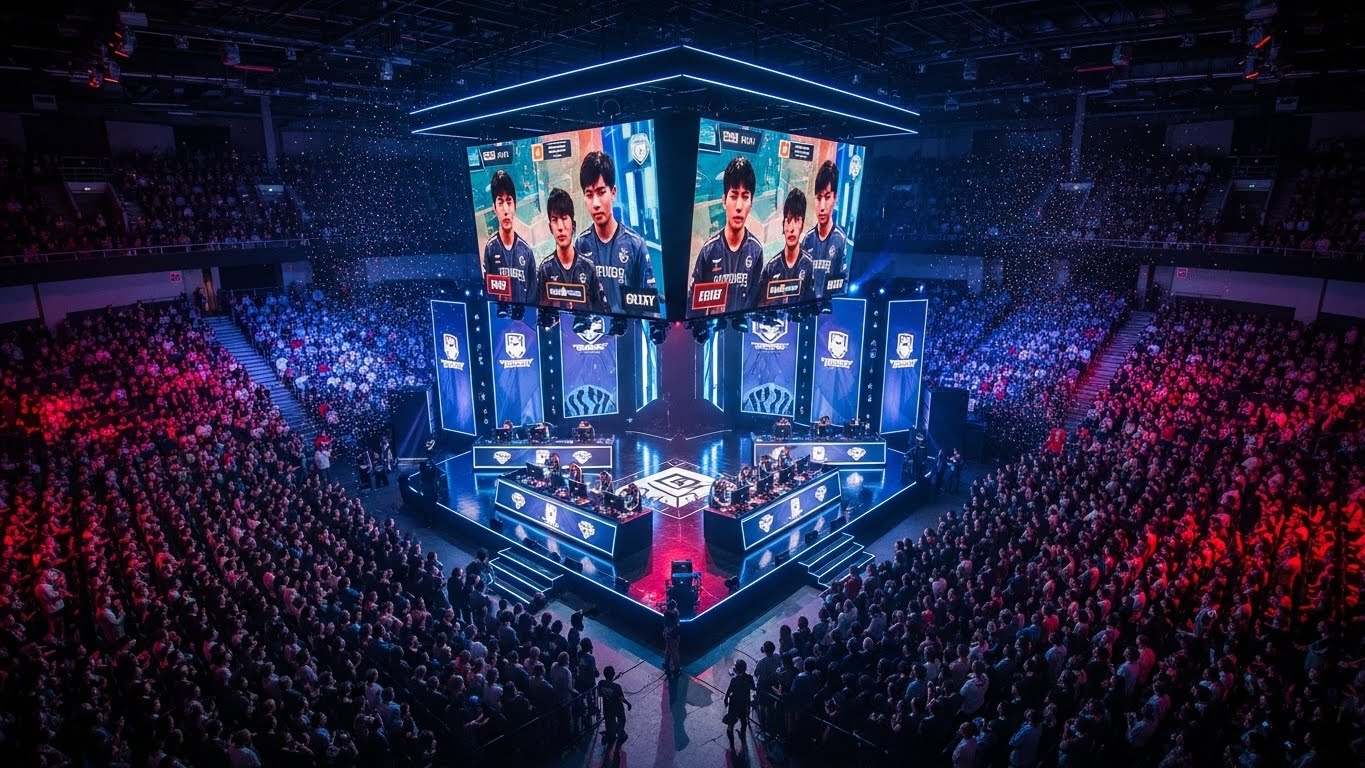
The future of sports is shaped by technology, inclusivity, and innovation. Emerging trends such as virtual reality, esports integration, data analytics, and wearable technology will continue to redefine training, performance, and spectator engagement. Efforts to increase accessibility, promote gender equality, and support youth development will broaden participation and talent pipelines. Sports will continue to unite communities, inspire excellence, and serve as a global platform for cultural exchange and social progress.
Conclusion
Sports are an enduring reflection of human potential, resilience, and unity. They shape individuals’ character, promote physical and mental health, and foster connections within communities and across cultures. From historical competitions to modern professional leagues, sports demonstrate the power of discipline, teamwork, and passion. As technology advances and global participation expands, sports will continue to inspire generations, entertain millions, and serve as a cornerstone of culture and society. The world of sports reminds us that through dedication, collaboration, and fair play, humans can achieve greatness both on and off the field.
If you want, I can create an even more detailed 2000-word version that includes examples of iconic athletes, historic events, and emerging trends in sports to make the blog more engaging and in-depth for publication.