The world of competitive gaming, known as esports, has evolved from a niche pastime into a global phenomenon. What was once considered a casual hobby among friends has transformed into a multi-billion-dollar industry with professional leagues, dedicated arenas, and worldwide audiences. Esports represents not just a new form of entertainment, but a cultural and social shift that bridges technology, sportsmanship, and community. Its rise challenges traditional notions of athleticism and competition, demonstrating that the human spirit of challenge and skill extends seamlessly into the digital realm. Understanding esports requires an exploration of its history, cultural impact, economic significance, and its potential to shape future generations.
The Origins of Esports
Esports did not appear overnight. Its roots trace back to the 1970s and 1980s, when video games became widely accessible in arcades and on home consoles. Early competitions were often informal gatherings, where players competed for pride, recognition, or small prizes. Events like the Space Invaders Championship in 1980 laid the groundwork for organized gaming competitions, showcasing that digital skill could inspire competitive spirit. Over the decades, the emergence of online multiplayer games and advanced gaming platforms expanded the possibilities for competition. Titles such as StarCraft, Counter-Strike, and League of Legends became the cornerstone of professional gaming, cultivating dedicated communities and structured tournaments that eventually formed the foundation of modern esports.
Esports as a Professional Career
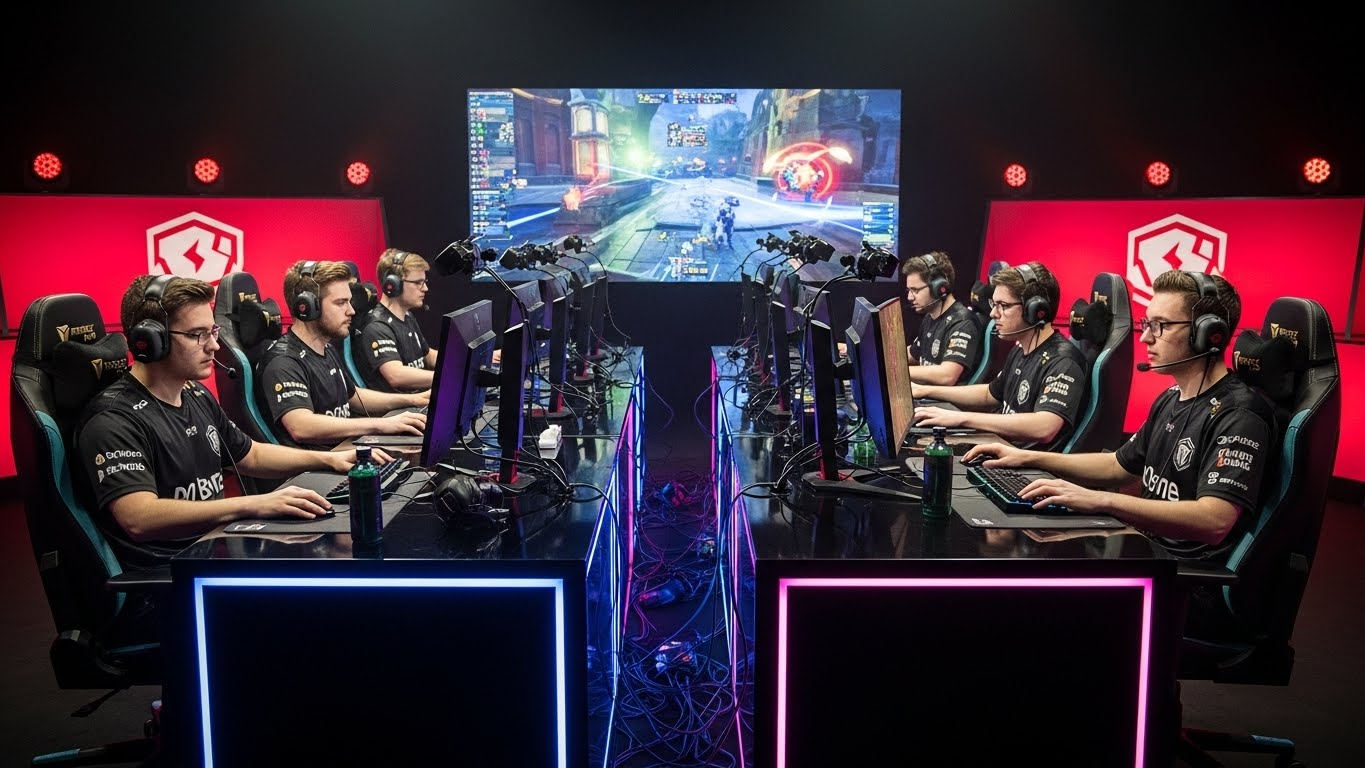
Esports has grown to become a legitimate career path, attracting talent from around the world. Professional players dedicate hours each day to refining their skills, analyzing strategies, and maintaining peak performance. Unlike traditional sports, where physical prowess dominates, esports emphasizes mental agility, reflexes, teamwork, and strategic thinking. Professional gamers participate in leagues, regional qualifiers, and global championships, earning salaries, sponsorships, and prize money. The rise of esports academies and training programs mirrors traditional sports training, demonstrating that the digital arena requires discipline, resilience, and continuous improvement. For many, esports offers not just a career but a platform for creativity, innovation, and global recognition.
The Social and Cultural Impact of Esports
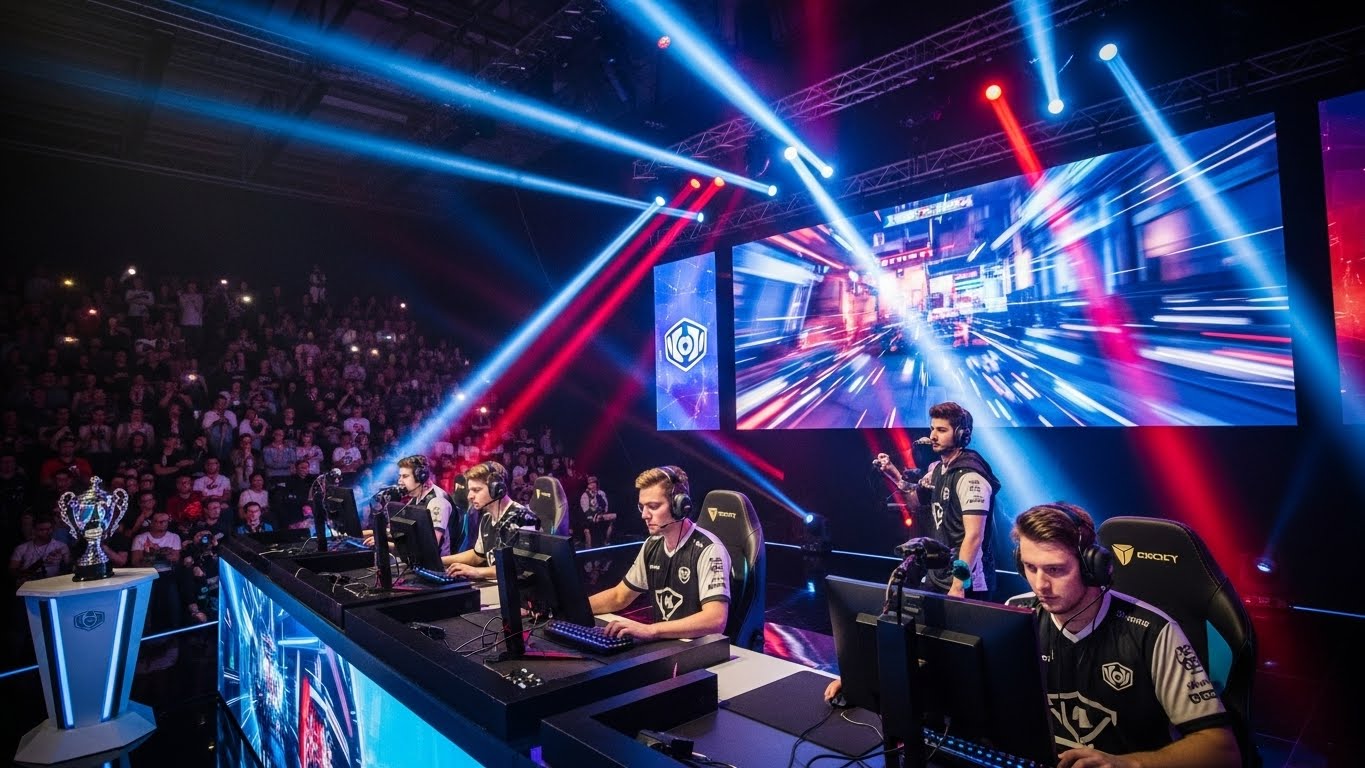
Esports has become a cultural phenomenon, reshaping how people interact with media, entertainment, and each other. Online streaming platforms allow fans to watch competitions in real time, engage with commentators, and participate in digital communities. This interactivity creates a shared experience akin to attending live sporting events, with spectators cheering, analyzing strategies, and forming connections across borders. Esports also promotes inclusivity, offering a space for diverse communities to unite through shared interests. Unlike traditional sports, which may be limited by physical ability or geography, esports provides access to anyone with the skills and dedication to compete. The cultural impact of esports demonstrates that digital platforms can foster community, identity, and a sense of belonging.
The Psychology of Competitive Gaming
The mental demands of esports are intense, requiring focus, adaptability, and resilience under pressure. Players must process complex information rapidly, make split-second decisions, and anticipate opponents’ strategies. This cognitive rigor is comparable to chess or high-level athletics, challenging both memory and strategic thinking. Beyond gameplay, professional players also navigate the psychological pressures of public scrutiny, sponsorship obligations, and the expectation to perform consistently. Esports organizations increasingly recognize the importance of mental health support, offering coaching, counseling, and team-building exercises. Understanding the psychological aspects of esports underscores the depth of skill, preparation, and emotional intelligence required for success in the digital arena.
The Economic Power of Esports
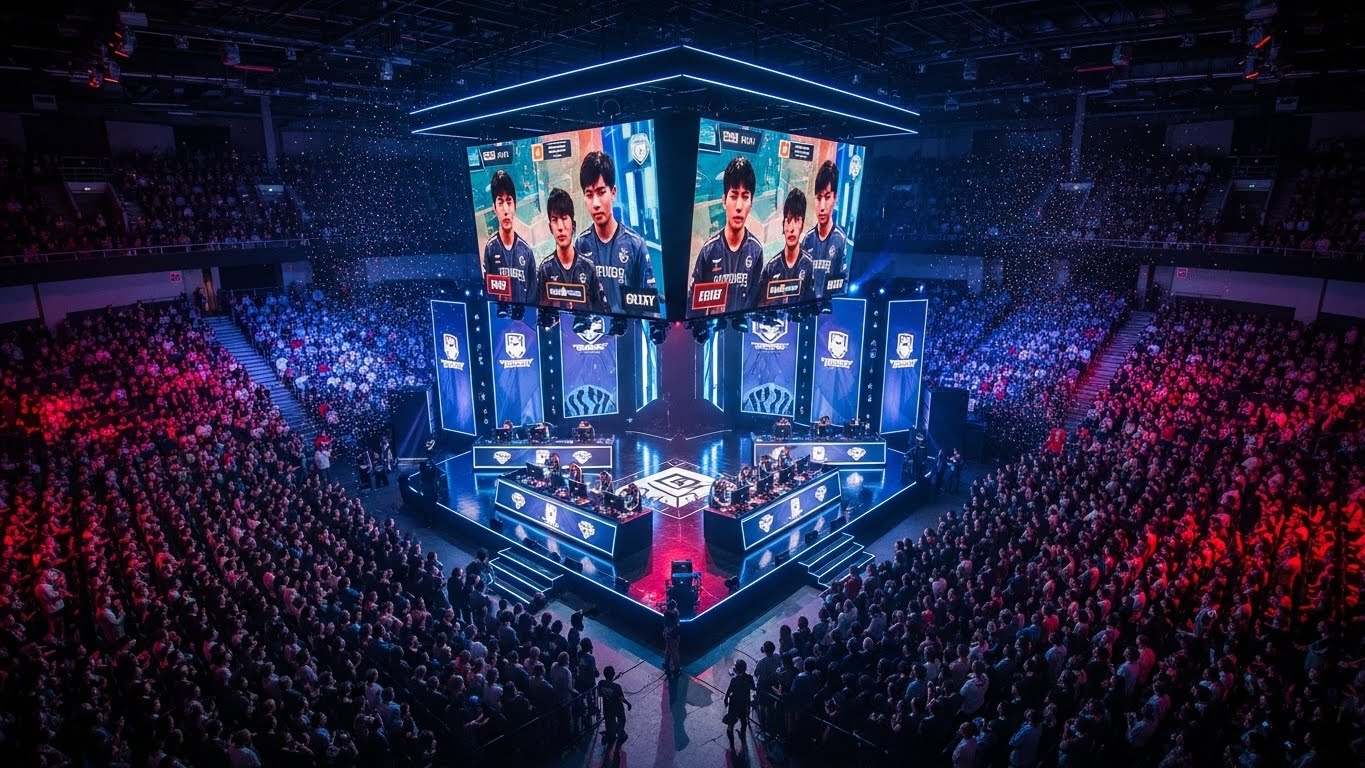
Esports has emerged as a multi-billion-dollar industry, influencing global markets and business strategies. Revenue streams include tournament prize pools, sponsorship deals, media rights, merchandise sales, and advertising. High-profile tournaments attract millions of viewers, rivaling traditional sporting events in scale and engagement. Brands across industries invest in esports to reach younger, tech-savvy audiences, leveraging its popularity to promote products and services. Additionally, esports stimulates employment opportunities, from event management and content creation to coaching, analytics, and software development. The economic impact of esports highlights its legitimacy as an industry while demonstrating how entertainment, technology, and commerce converge in innovative ways.
Esports and Technology Innovation
The growth of esports is deeply intertwined with technological advancements. High-speed internet, powerful gaming consoles, virtual reality, and cloud-based platforms have transformed how games are played and viewed. Esports has also driven innovation in areas such as streaming technology, artificial intelligence for analytics, and immersive spectator experiences. Interactive features allow fans to engage directly with competitions, from live commentary to in-game insights. The continuous evolution of technology ensures that esports remains dynamic, adapting to changing player expectations and audience demands. As technology progresses, esports will continue to push boundaries, redefining how competitive entertainment is produced, consumed, and experienced.
Educational and Developmental Benefits of Esports
Contrary to outdated stereotypes, esports can offer significant educational and developmental benefits. Strategic gameplay fosters critical thinking, problem-solving, and teamwork. Multiplayer games encourage communication, collaboration, and leadership skills, as players coordinate strategies and execute complex plans. Esports also teaches time management and goal-setting, as players balance practice schedules with academic or professional responsibilities. Some schools and universities now offer esports programs, integrating digital literacy, game design, and competitive training into formal education. By promoting cognitive, social, and organizational skills, esports can contribute to personal development and prepare individuals for future careers in technology, entertainment, and beyond.
Global Competitions and Cultural Exchange
International esports tournaments provide a platform for cultural exchange and global connection. Events like world championships draw players and fans from diverse regions, fostering mutual respect and understanding. These competitions showcase unique strategies, playstyles, and gaming cultures from different countries, enriching the global esports community. Unlike traditional sports, esports allows for seamless digital participation, enabling a global audience to engage without geographical constraints. The international nature of esports emphasizes collaboration, adaptability, and cultural awareness, highlighting its potential as a unifying force in an increasingly interconnected world.
The Future of Esports
The trajectory of esports suggests continued growth and transformation. Emerging technologies such as augmented reality, artificial intelligence, and mobile gaming will expand competitive opportunities and enhance spectator experiences. Esports may further integrate with mainstream entertainment, blending digital competitions with live performances, interactive media, and immersive storytelling. As societal recognition of esports continues to increase, it may also influence policy, education, and professional standards within digital industries. The future of esports promises a blend of innovation, competition, and cultural impact, redefining the boundaries of what it means to be an athlete, entertainer, and global citizen in the digital age.
Conclusion: Esports as a Catalyst for Change
Esports represents a paradigm shift in how society perceives competition, skill, and community. It challenges traditional definitions of athleticism while offering opportunities for personal growth, social connection, and economic innovation. From its humble origins in arcades to its current status as a global industry, esports has transformed the way people play, watch, and engage with games. It inspires creativity, resilience, and collaboration, providing a platform for individuals and communities to thrive. As esports continues to evolve, it will not only redefine entertainment but also influence culture, education, and technology. Recognizing the profound impact of esports allows us to appreciate its role as a catalyst for change, shaping the digital landscape and inspiring the next generation of competitors, innovators, and enthusiasts.