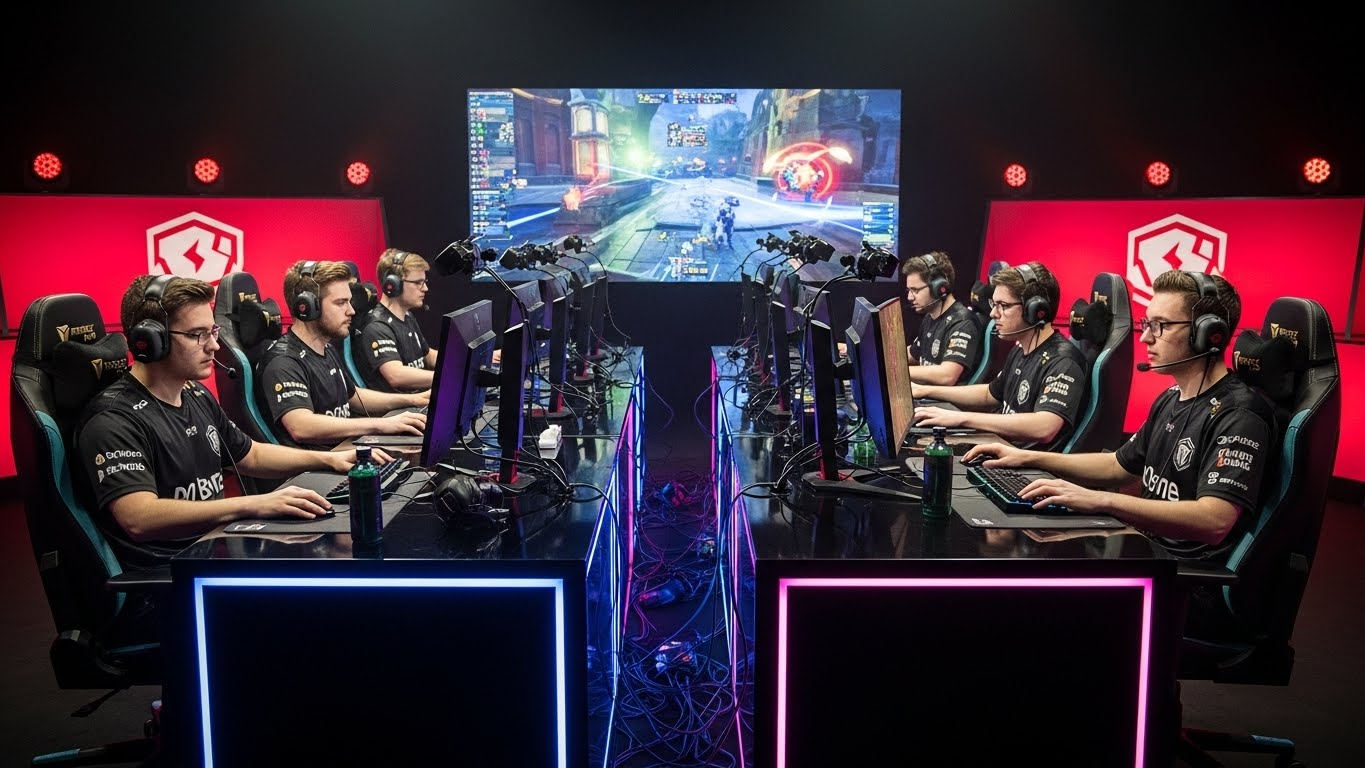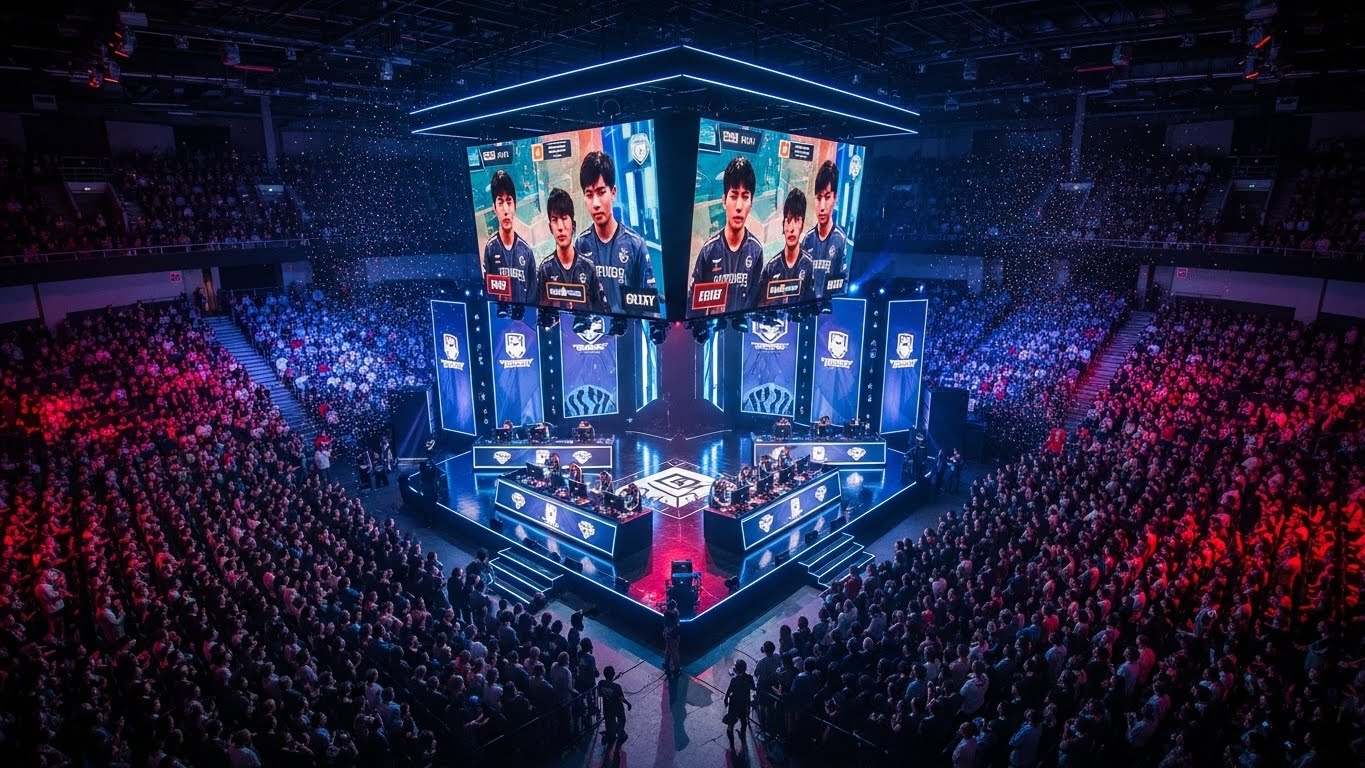
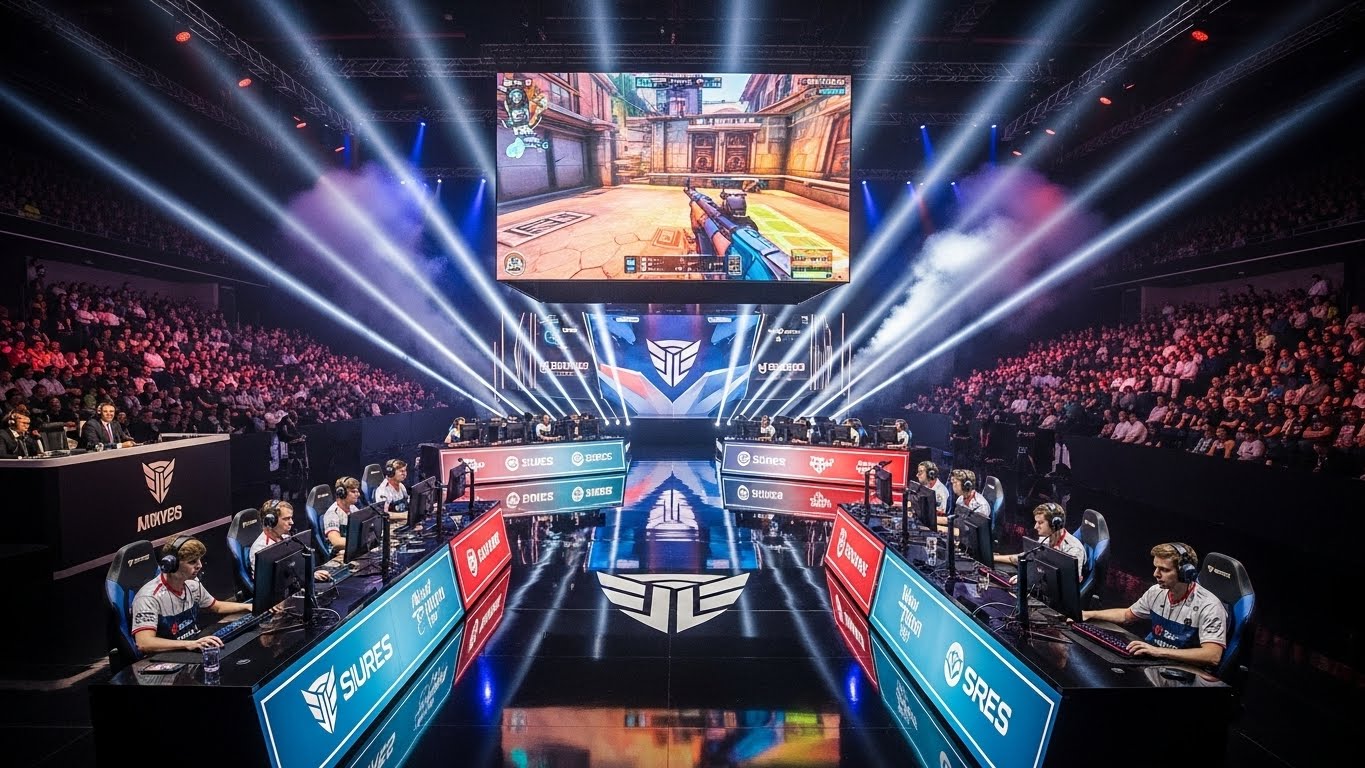
Esports has transformed the idea of competition in the modern era. What once began as casual gaming among friends has evolved into a global phenomenon that attracts millions of players, viewers, and investors. Competitive gaming is no longer confined to bedrooms or internet cafés; it now fills arenas, commands massive audiences, and shapes digital culture. Esports represents a fusion of technology, entertainment, and human skill, redefining how society views sports, talent, and professional achievement in the digital age.
Understanding the Meaning of Esports
Esports, short for electronic sports, refers to organized competitive video gaming where individuals or teams compete at a professional or semi-professional level. These competitions often involve popular multiplayer games that require strategy, fast reflexes, teamwork, and deep game knowledge. Unlike traditional sports that rely heavily on physical strength, esports emphasizes mental agility, coordination, and decision-making under pressure. This unique combination of skills places esports in a category of its own while still sharing core values with conventional athletics, such as discipline, training, and competition.
The Early Beginnings of Competitive Gaming
The origins of esports can be traced back to the early days of video games, when small tournaments were held in arcades and universities. These early competitions were driven by passion rather than profit, with players seeking recognition rather than fame. As technology improved and multiplayer gaming became more accessible, competitive gaming grew rapidly. The introduction of online play allowed gamers from different regions to compete, laying the foundation for structured tournaments and leagues. Over time, dedicated communities formed around specific games, fueling the growth of esports into an organized global movement.
The Professionalization of Esports
The shift from casual competition to professional esports marked a turning point in the industry. Professional teams began to form, supported by coaches, analysts, and management staff. Players adopted rigorous training schedules, often practicing for many hours a day to maintain peak performance. Contracts, salaries, and sponsorships became standard, legitimizing esports as a career path. Professional tournaments now follow structured formats, complete with qualification stages, international championships, and seasonal leagues. This level of organization reflects the seriousness and scale of modern esports competition.
Skills That Define an Esports Athlete
An esports athlete must possess a unique blend of skills that go far beyond simply playing games. Quick reaction time, strategic thinking, adaptability, and strong communication are essential for success. Team-based games require players to coordinate movements, share information, and execute complex strategies in real time. Mental endurance is equally important, as matches can be intense and mentally exhausting. The ability to remain calm under pressure often separates elite players from the rest. These skills demonstrate that esports demands a high level of dedication and mastery.
The Psychological Challenges of Esports
The mental demands of esports are significant and often underestimated. Players face constant pressure to perform, both from fans and from their own expectations. High-stakes tournaments can bring stress, anxiety, and emotional fatigue. Maintaining focus for long periods requires mental discipline and strong coping mechanisms. Many professional teams now emphasize mental health, providing support systems to help players manage stress and maintain balance. Addressing these challenges is essential for long-term success and highlights the human side of competitive gaming.
Esports as a Cultural Movement
Esports has grown into a powerful cultural force that influences music, fashion, entertainment, and online communities. Fans do not simply watch games; they actively engage through discussions, fan art, live commentary, and content creation. Esports events create shared experiences that connect people across different cultures and backgrounds. This sense of belonging is a key reason for esports’ popularity, as it offers a space where individuals can express passion and identity. The culture surrounding esports continues to evolve, shaping digital lifestyles and youth culture worldwide.
The Role of Technology in Esports Growth
Technology is the backbone of esports. Advancements in hardware, software, and internet connectivity have made competitive gaming faster, smoother, and more accessible. High-performance gaming systems enable precise control and immersive experiences, while stable online infrastructure supports global competition. Spectator technology has also improved, offering enhanced viewing experiences that allow audiences to follow gameplay in detail. These innovations ensure that esports remains dynamic and engaging for both players and fans.
Economic Impact of the Esports Industry
The esports industry has become a major economic force, generating revenue through tournaments, sponsorships, merchandise, and media production. Large-scale events attract international attention and create opportunities for businesses across various sectors. Beyond players, esports supports careers in coaching, broadcasting, marketing, game development, and event management. This expanding ecosystem demonstrates that esports is not just entertainment but a sustainable industry contributing to global economic activity.
Esports and Education
Educational institutions are increasingly recognizing the value of esports. Competitive gaming programs in schools and universities provide students with opportunities to develop technical and interpersonal skills. Esports encourages critical thinking, teamwork, leadership, and digital literacy. Some programs integrate esports with academic studies, linking gaming with fields such as computer science, media studies, and business. This integration challenges outdated perceptions and positions esports as a tool for learning and personal development.
Health and Lifestyle Balance in Esports
Maintaining physical and mental health is essential for esports athletes. Long practice hours require attention to posture, physical fitness, and rest. Many teams now include fitness routines and wellness programs to support player health. Proper sleep, nutrition, and exercise contribute to improved concentration and reaction time. A balanced lifestyle not only enhances performance but also ensures longevity in a competitive career. This holistic approach reflects the evolving understanding of what it means to be an athlete in the digital era.
Global Reach and International Competition
Esports is inherently global, bringing together players and audiences from every corner of the world. International tournaments showcase diverse playstyles and strategies, enriching the competitive environment. These events promote cultural exchange and mutual respect, as players compete while representing their regions or teams. The global nature of esports allows it to transcend geographical barriers, creating a truly international platform for competition and collaboration.
The Future of Esports
The future of esports holds immense potential. Emerging technologies such as immersive gaming environments and advanced analytics are expected to reshape how games are played and watched. Mobile gaming is expanding the reach of esports, making competition accessible to broader audiences. As acceptance grows, esports may further integrate into mainstream sports and entertainment industries. The continued evolution of esports will likely influence how society defines competition, creativity, and digital interaction.
Conclusion: Esports as the New Age of Competition
Esports stands as a symbol of how technology and human ambition can redefine traditional concepts of sports and competition. It blends skill, strategy, and innovation to create a form of entertainment that resonates with a digital generation. Beyond games, esports represents community, opportunity, and cultural transformation. Its impact extends into education, economy, and global connectivity, proving that competitive gaming is more than a trend. As esports continues to grow, it will shape the future of competition, inspiring new generations to pursue excellence in the digital battlefield.