Introduction: From Bedrooms to Stadiums
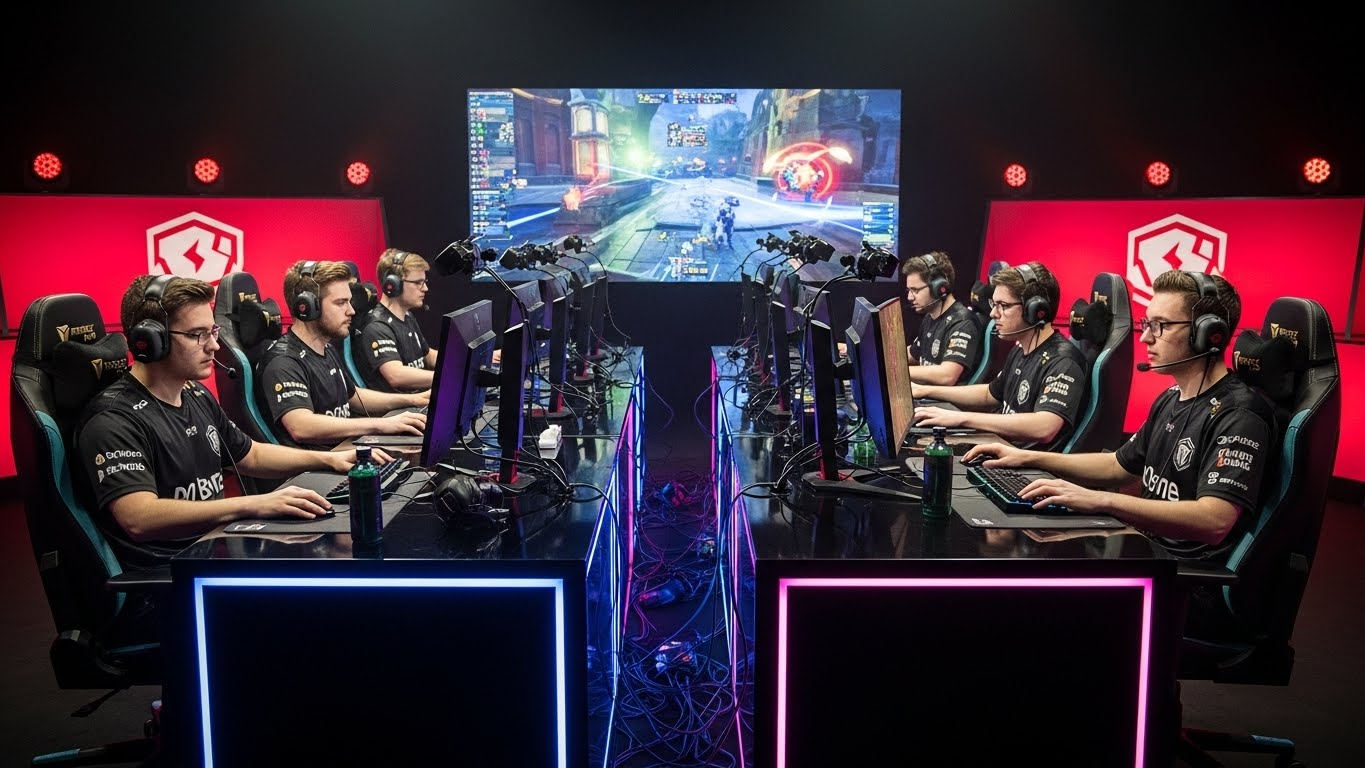
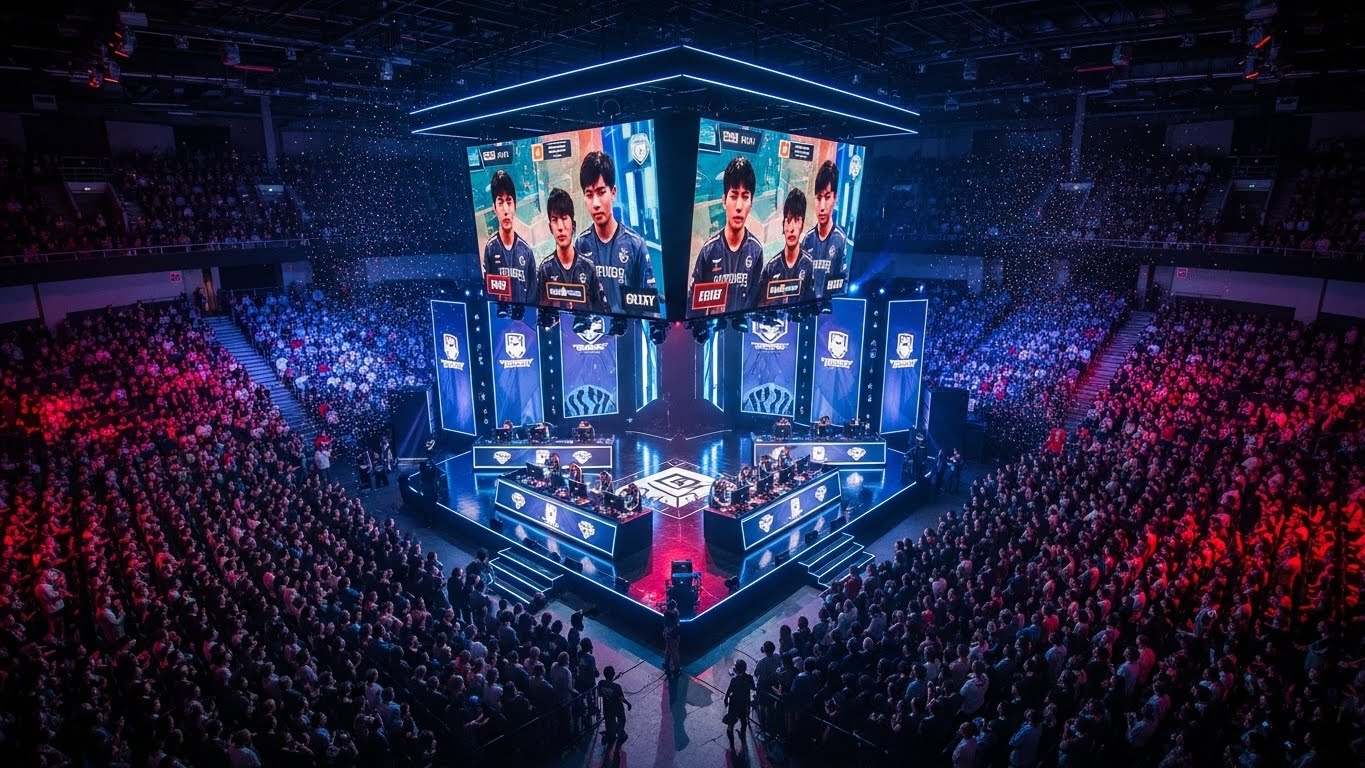
Esports, once dismissed as a casual pastime for teenagers, has transformed into one of the fastest-growing entertainment industries in the world. What began in small bedrooms and internet cafés has now expanded into sold-out arenas, multimillion-dollar tournaments, and a global audience that rivals traditional sports. Competitive gaming is no longer just about playing games; it is about discipline, strategy, branding, community, and culture. This blog explores how esports evolved, why it resonates with millions, and what its future may hold.
The Early Foundations of Competitive Gaming
The roots of esports stretch back decades, long before high-speed internet and streaming platforms. Early competitive gaming events were modest, often held at universities or tech conventions. Games like arcade fighters and strategy titles laid the groundwork for competition by emphasizing skill, reaction time, and mastery. These early tournaments were less about fame and more about passion, driven by players who simply wanted to prove they were the best.
As technology improved, local competitions became regional, and regional events slowly gained international attention. The arrival of personal computers and home consoles made gaming accessible, allowing communities to grow organically. This period was crucial because it established the core principle of esports: competition based on skill rather than physical strength.
The Role of Technology and the Internet
The true explosion of esports would not have been possible without the internet. Online multiplayer gaming connected players across countries and continents, turning isolated gamers into global competitors. High-speed connections allowed matches to be played in real time, while digital communication tools enabled teams to coordinate strategies regardless of location.
Streaming technology was another turning point. Audiences no longer needed to attend events physically to be part of the experience. Fans could watch their favorite players live, interact through chat, and feel connected to the action. This sense of accessibility and inclusivity helped esports grow faster than many traditional sports ever could.
Esports as a Professional Career
One of the most significant shifts in esports has been the recognition of gaming as a legitimate career path. Professional players now train for hours each day, following strict schedules that include practice, analysis, physical exercise, and mental conditioning. Teams employ coaches, analysts, and support staff to ensure peak performance.
Earnings in esports come from multiple sources. Tournament prize pools can reach millions, but players also earn through salaries, sponsorships, merchandise, and content creation. For many young people, esports represents an opportunity to turn a lifelong passion into a sustainable profession, challenging traditional ideas of success and work.
The Psychology and Skill Behind the Screen
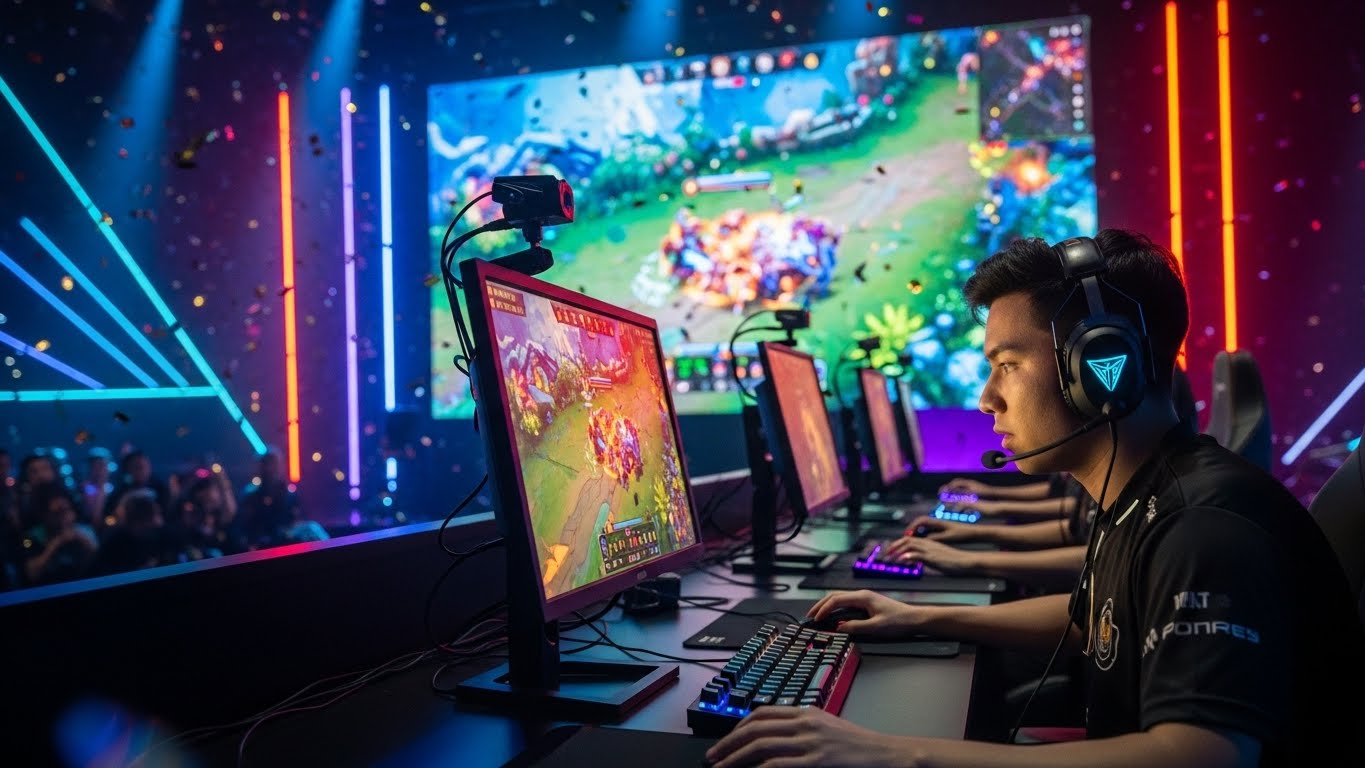
Despite misconceptions, esports demands an exceptional level of mental and physical skill. Players must possess lightning-fast reflexes, strategic thinking, and the ability to remain calm under intense pressure. Split-second decisions can determine the outcome of a match, making focus and consistency essential.
Team-based games add another layer of complexity. Communication, trust, and adaptability are critical, as players must work together seamlessly. Many teams invest in sports psychologists to help players manage stress, build confidence, and recover from losses. This professional approach further aligns esports with traditional competitive disciplines.
The Global Esports Community
One of the most powerful aspects of esports is its global community. Fans from different cultures, languages, and backgrounds unite over shared games and players. Online platforms allow instant interaction, creating a sense of belonging that extends beyond geography.
Events often celebrate this diversity, bringing together international teams and audiences. For many fans, esports is not just entertainment but a social space where friendships are formed and identities are expressed. This community-driven nature is a key reason esports continues to thrive.
Economic Impact and Industry Growth
The esports industry has grown into a complex ecosystem involving game developers, tournament organizers, sponsors, advertisers, and media companies. Major brands from outside gaming have entered the space, recognizing the value of engaging with younger, tech-savvy audiences.
Cities and countries now compete to host major tournaments, boosting tourism and local economies. Universities offer scholarships for esports athletes, and educational programs focus on game design, event management, and digital marketing related to gaming. Esports has become not just an industry, but a significant economic force.
Challenges Facing Esports
Despite its success, esports faces several challenges. Player burnout is a serious concern, as intense schedules and public pressure can take a toll on mental health. There are also ongoing discussions about fair play, cheating, and performance-enhancing substances.
Regulation remains inconsistent across regions, creating uncertainty for teams and players. Additionally, maintaining inclusivity and combating toxicity within online communities is an ongoing effort. Addressing these issues is essential for the long-term sustainability of esports.
Esports and Mainstream Acceptance
Esports has steadily moved closer to mainstream recognition. Traditional sports organizations invest in esports teams, and broadcasters dedicate airtime to major tournaments. This crossover has helped legitimize competitive gaming in the eyes of skeptics.
However, esports retains its unique identity. Its digital nature allows constant evolution, with new games, formats, and stars emerging regularly. This adaptability ensures that esports remains fresh and relevant, particularly for younger generations.
The Future of Esports
Looking ahead, the future of esports appears bright and dynamic. Advances in technology, such as virtual reality and artificial intelligence, may redefine how games are played and watched. Grassroots initiatives and mobile gaming are expanding access, especially in developing regions.
As audiences grow, storytelling will become increasingly important. Fans want to know the journeys, struggles, and triumphs of players. Esports is not just about winning matches but about narratives that inspire and connect people.
Conclusion: More Than Just a Game
Esports is no longer a niche hobby confined to a small group of enthusiasts. It is a global cultural phenomenon that blends competition, technology, entertainment, and community. By redefining what it means to be an athlete and how audiences engage with competition, esports has carved out a unique space in modern society.
From humble beginnings to global dominance, the story of esports is one of innovation, passion, and possibility. As it continues to evolve, one thing is certain: esports is not just shaping the future of gaming, but the future of entertainment itself.