Introduction: A New Age of Competition
Esports has grown from casual gaming sessions into a global competitive phenomenon that rivals traditional sports in popularity, professionalism, and cultural influence. What was once considered a hobby has transformed into a structured industry with professional athletes, massive tournaments, dedicated fanbases, and significant economic impact. Esports represents a shift in how competition is perceived, blending technology, strategy, and entertainment into a modern form of sport that resonates strongly with younger generations.
Understanding Esports and Its Core Identity
Esports, short for electronic sports, refers to organized competitive video gaming. Unlike casual play, esports involves structured rules, professional teams, scheduled tournaments, and formal training regimens. Players compete individually or in teams across various game genres, each demanding unique skill sets. Precision, quick decision-making, teamwork, and adaptability are essential qualities for success. Esports emphasizes mental agility as much as physical reflexes, redefining what it means to be an athlete in the digital age.
The Origins and Growth of Competitive Gaming
The roots of esports can be traced back to early video game competitions held in small venues and local communities. As gaming technology advanced and internet connectivity improved, players gained the ability to compete globally. Online multiplayer games enabled large-scale tournaments, and streaming platforms allowed audiences to watch matches live. Over time, sponsorships, prize pools, and professional organizations emerged, turning competitive gaming into a viable career path and solidifying esports as a mainstream entertainment industry.
Popular Esports Genres and Their Appeal
Esports is built on a diverse range of games rather than a single title. Strategy-based games require careful planning, resource management, and teamwork. First-person action games emphasize accuracy, reflexes, and spatial awareness. Sports simulation games replicate real-world athletics in digital form, while fighting games focus on individual skill and timing. This variety allows esports to attract fans with different preferences and ensures continuous innovation within the competitive scene.
The Professional Esports Player Lifestyle
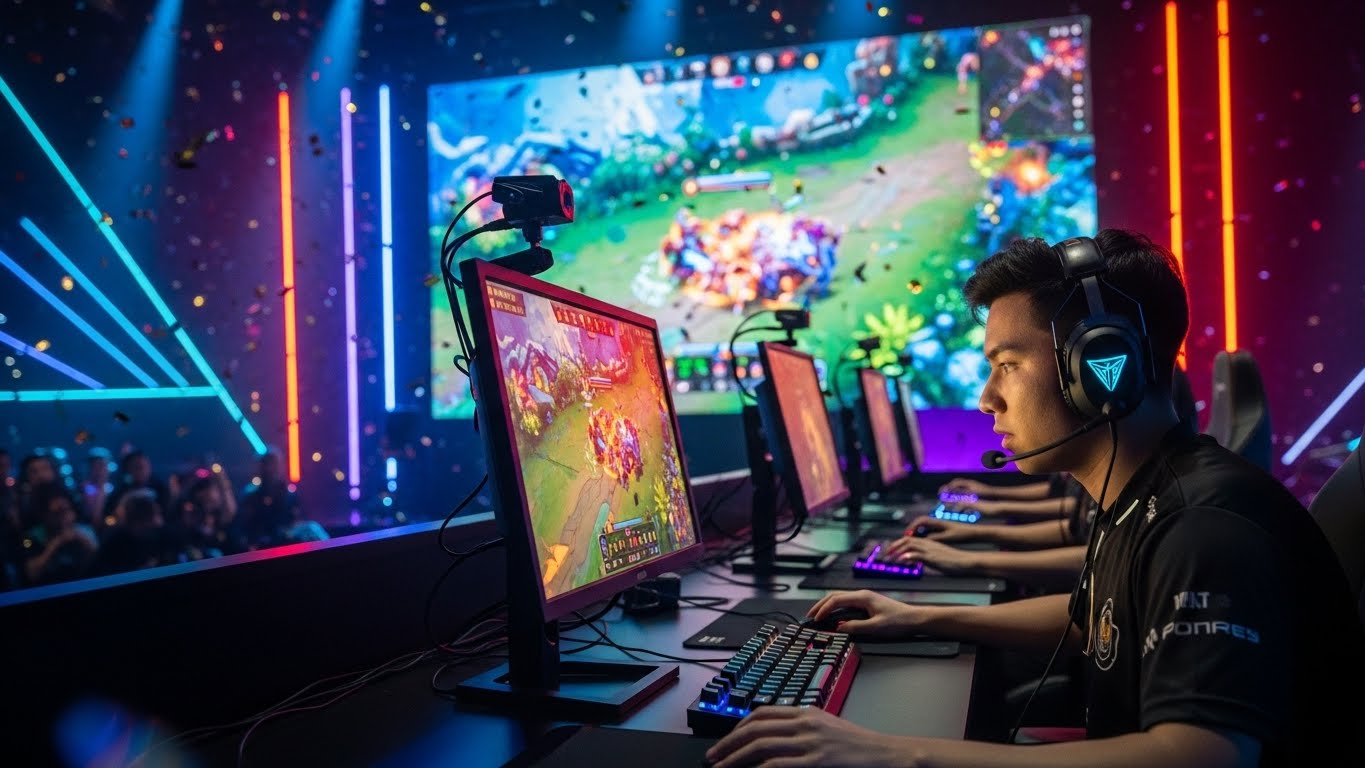
Professional esports players dedicate countless hours to practice, strategy development, and performance analysis. Daily routines often include scrimmages, individual skill training, physical exercise, and mental conditioning. Maintaining focus, managing stress, and sustaining peak performance are constant challenges. Teams increasingly prioritize player health by incorporating fitness programs, balanced nutrition, and psychological support. This structured approach highlights the professionalism required to succeed at the highest level of esports competition.
Teams, Leagues, and Competitive Structure
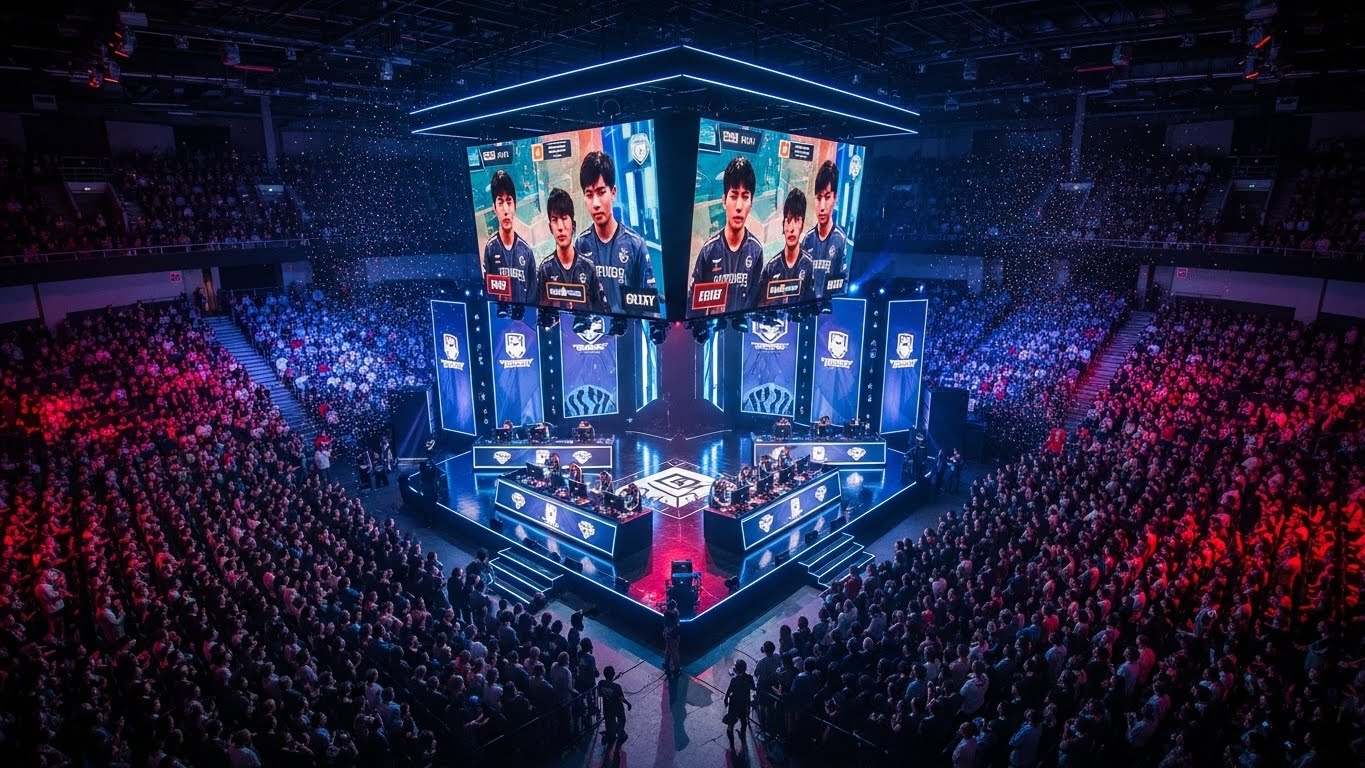
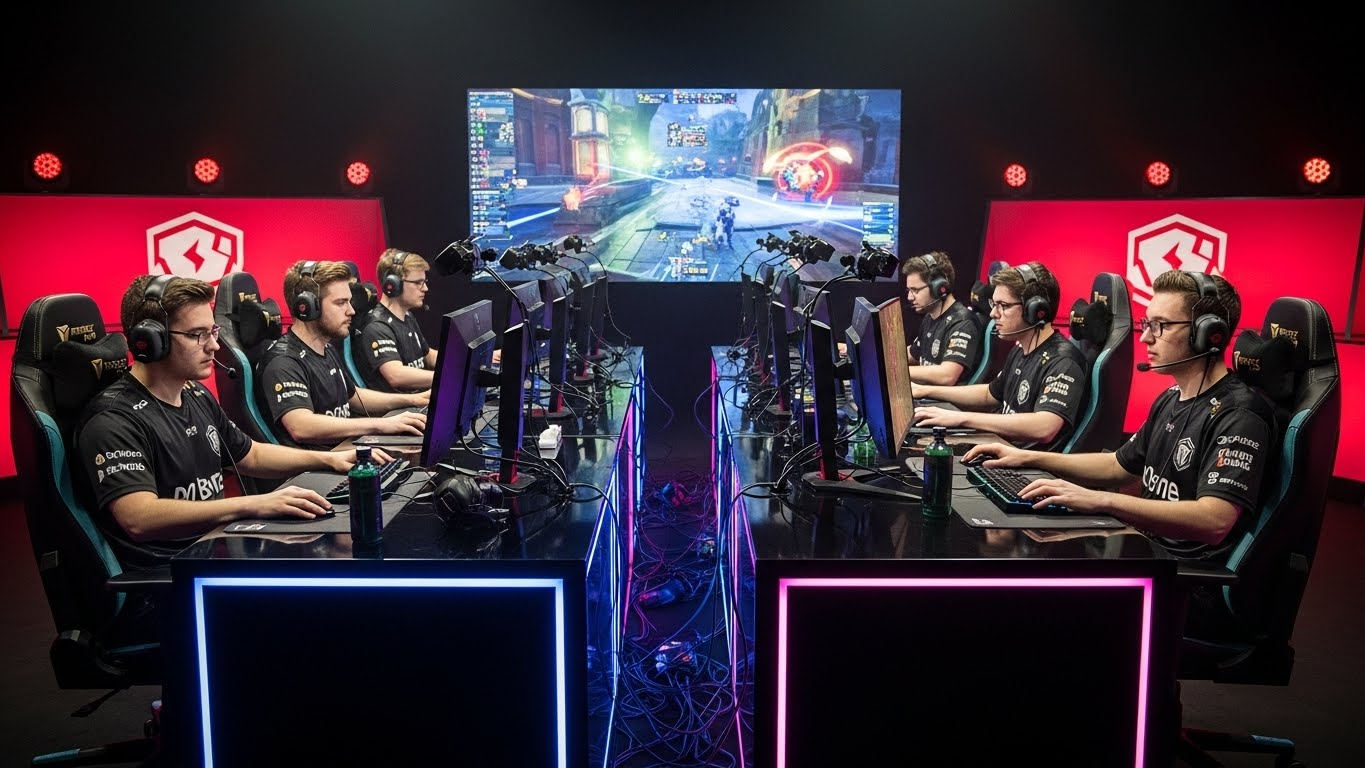
Esports operates through a complex network of teams, leagues, and tournament organizers. Professional teams sign players under contracts, provide coaching staff, and manage branding and sponsorships. Leagues follow seasonal formats, featuring regular matches, playoffs, and championship events. International tournaments bring together top teams from different regions, creating rivalries and narratives that captivate global audiences. This organized structure mirrors traditional sports while maintaining the flexibility unique to digital competition.
Streaming and the Esports Community
One of the defining characteristics of esports is its deep connection with online communities. Fans do not simply watch matches; they engage in discussions, support favorite teams, and interact directly with players. Live streaming has become a central pillar of esports culture, allowing audiences to experience competitions in real time and gain insights into player personalities and strategies. This interactive environment fosters loyalty, inclusivity, and a sense of belonging among fans worldwide.
Economic Impact and Career Opportunities
The esports industry has become a significant economic force, generating revenue through sponsorships, advertising, merchandise, and event production. Beyond professional players, esports supports careers in coaching, analysis, broadcasting, event management, content creation, and marketing. Educational institutions now offer esports programs and scholarships, preparing students for roles within the industry. The growing ecosystem demonstrates that esports is not limited to competition but offers diverse professional opportunities.
Challenges Within the Esports Industry
Despite its rapid growth, esports faces notable challenges. Player burnout remains a concern due to intense training schedules and high expectations. Maintaining competitive integrity requires constant efforts to prevent cheating and ensure fair play. Inclusivity is another ongoing issue, as the industry works to create welcoming environments for participants of all backgrounds. Addressing these challenges is essential for sustaining the credibility and long-term success of esports.
Esports and Traditional Sports: A Shared Future
Esports and traditional sports increasingly intersect rather than compete. Many established sports organizations have invested in esports teams or digital competitions. Both fields share common values such as teamwork, discipline, and dedication. While traditional sports emphasize physical endurance, esports highlights mental precision and technological skill. Together, they reflect evolving cultural preferences and expand the definition of athletic competition.
Cultural Influence and Social Impact
Esports has grown into a cultural movement that extends beyond gaming. Professional players influence fashion, entertainment, and digital media trends. Major tournaments resemble festivals, featuring live audiences, performances, and community engagement. Esports also provides social connection, bringing together individuals across cultures and geographic boundaries. For many fans, esports represents identity, aspiration, and a shared passion in an increasingly digital world.
Technological Innovation Driving Esports
Technology plays a critical role in the evolution of esports. Advances in hardware, software, and network infrastructure enhance gameplay quality and viewing experiences. Data analytics and performance tracking tools help teams refine strategies and improve results. Broadcasting innovations make competitions more immersive, attracting wider audiences. As technology continues to advance, esports will remain at the forefront of digital innovation.
The Future of Esports
The future of esports holds immense potential. Emerging regions are developing competitive scenes, expanding the global talent pool. New technologies will further enhance player performance and fan engagement. As governance structures mature, esports will gain greater stability and recognition. The continued blending of competition, entertainment, and technology suggests that esports will remain a dominant force in global culture.
Conclusion: Redefining Competition in the Digital Era
Esports represents a transformation in how competition is created, experienced, and celebrated. It combines the intensity of sport with the accessibility of digital media, creating a global community united by shared passion. From professional players and teams to fans and creators, esports has built an ecosystem that continues to evolve and inspire. As technology advances and audiences grow, esports stands as a symbol of modern competition, proving that the spirit of sport thrives not only on physical fields but also in virtual arenas.