Introduction: The Rise of Competitive Gaming
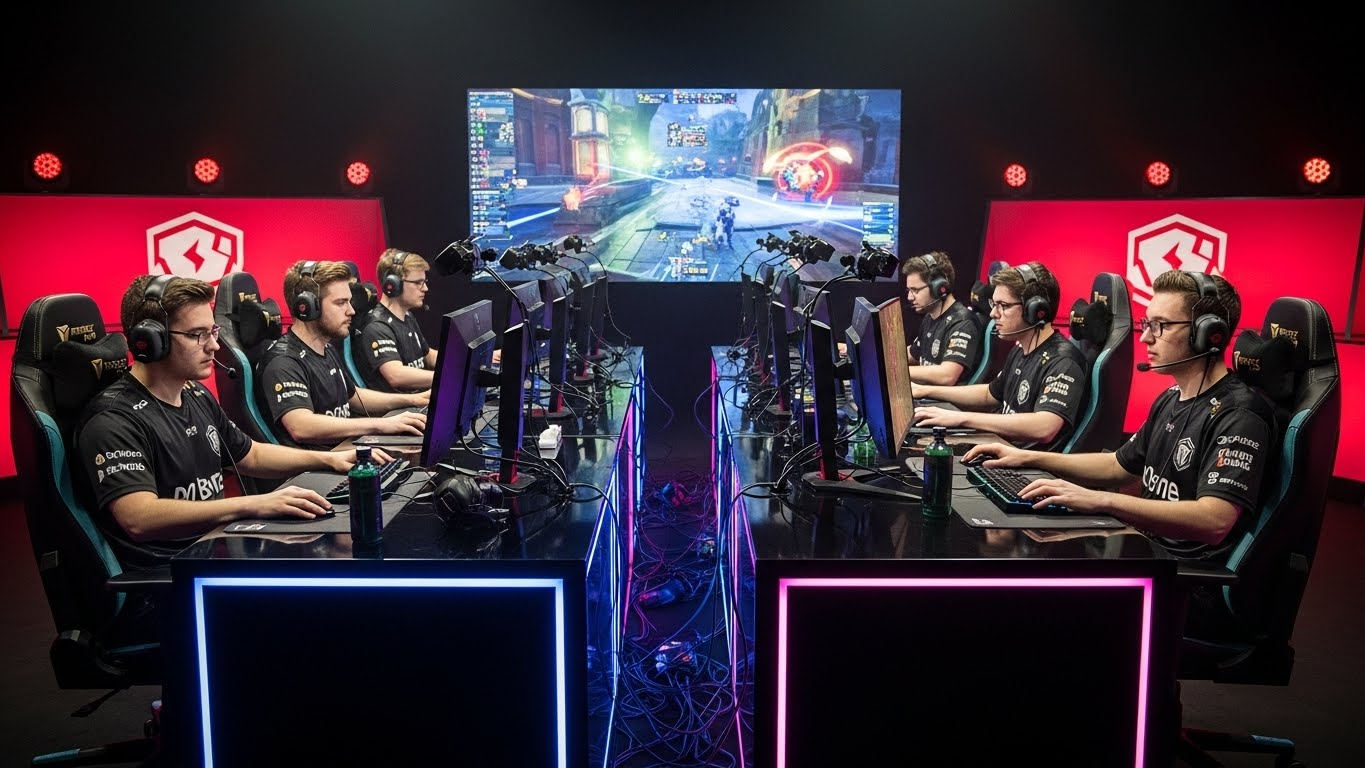
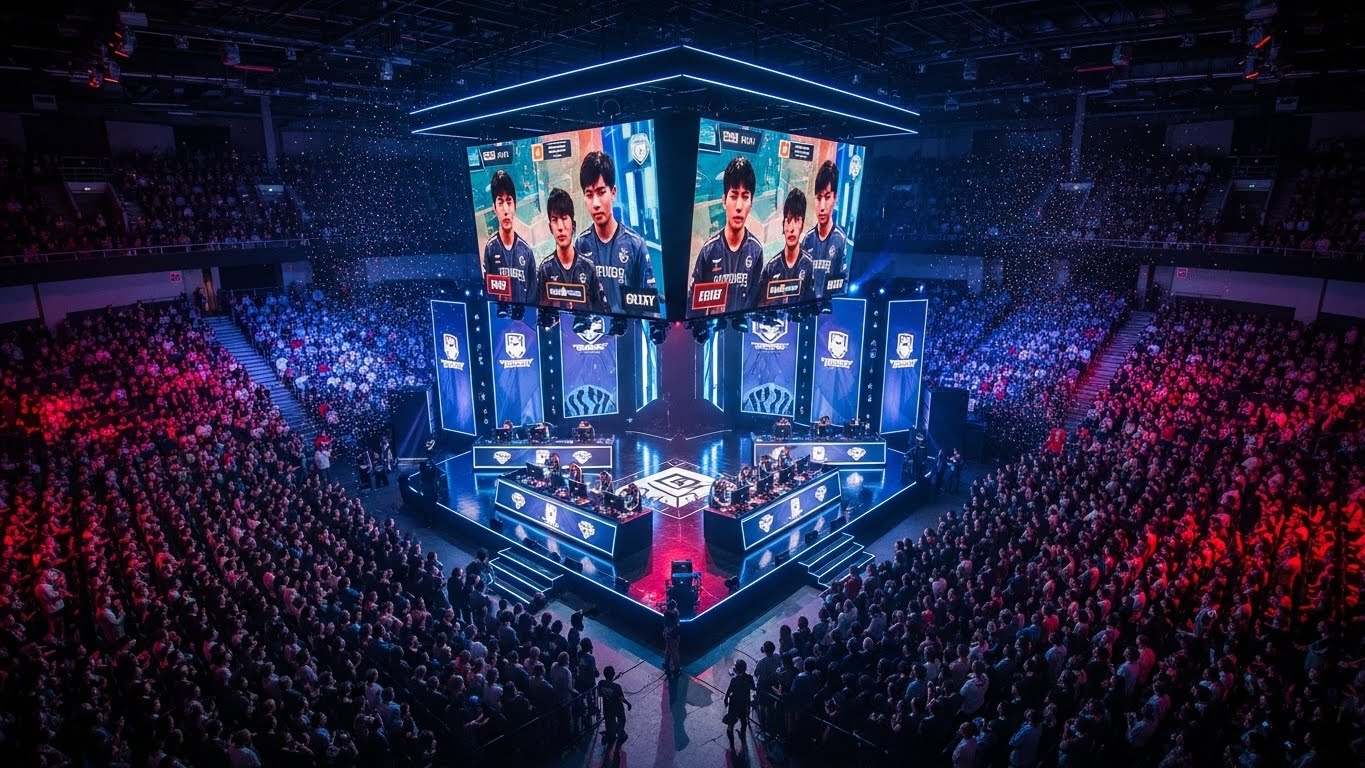
Esports, or competitive video gaming, has transformed from a niche hobby into a global phenomenon. Once considered a pastime for teenagers in basements, esports now fills arenas, streams to millions online, and attracts sponsorships worth millions of dollars. The world of esports is not just about playing video games; it is about strategy, teamwork, mental resilience, and entertainment. From casual online tournaments to professional leagues with multi-million-dollar prize pools, esports has created a culture that rivals traditional sports in intensity and passion. In this blog, we will explore how esports is reshaping entertainment, offering career opportunities, fostering communities, and influencing culture worldwide.
The Emotional Power of Esports
Esports evokes a spectrum of emotions similar to traditional sports. Fans experience exhilaration when their favorite teams execute perfect strategies and heartbreak when their players fall short. Gamers themselves feel intense pressure, as split-second decisions can determine the outcome of a match. This emotional connection is amplified by live streaming platforms, where fans interact in real time, sharing reactions and forming communities. The thrill of competition, combined with the accessibility of digital platforms, makes esports uniquely immersive. The intensity of emotional investment in esports illustrates how deeply humans connect with competition, even in virtual environments.
Skill, Strategy, and Mental Agility in Gaming
Success in esports demands more than reflexes and fast fingers. Top players spend hours analyzing game mechanics, studying opponents, and refining strategies. Games like League of Legends, Dota 2, and Counter-Strike require teamwork, communication, and strategic thinking akin to chess played at lightning speed. Players develop critical thinking, multitasking skills, and decision-making under pressure. These mental skills are transferable beyond gaming, fostering analytical thinking and problem-solving abilities. Esports demonstrates that the virtual battlefield is not just about entertainment; it is a training ground for cognitive excellence and mental resilience.
The Professionalization of Esports
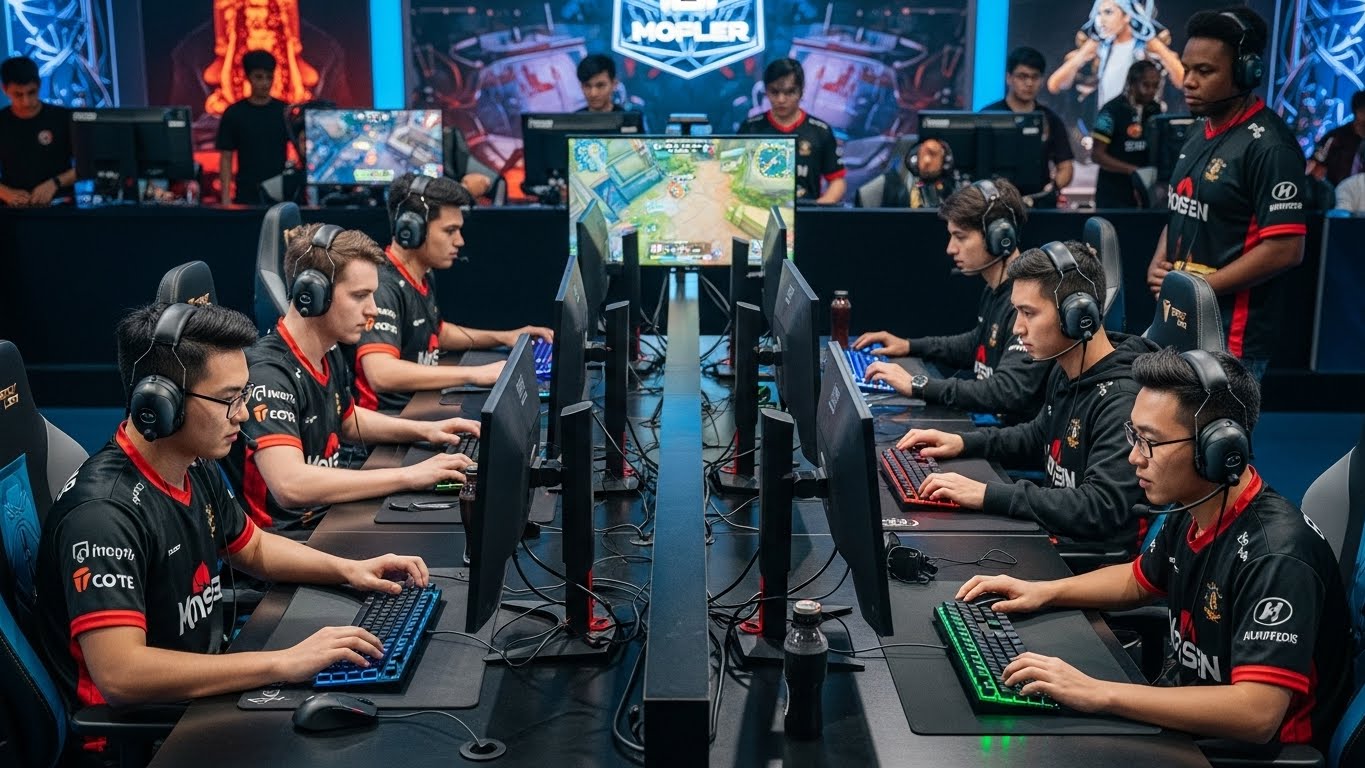
Esports has grown into a fully professional industry. Organizations employ managers, coaches, analysts, and marketing teams to support players. Professional gamers adhere to strict training schedules, often practicing for eight to ten hours a day, including physical fitness routines to maintain focus and prevent injuries. Competitive gaming is no longer viewed as a casual pastime but as a legitimate career path. Universities and colleges now offer esports scholarships, recognizing the discipline and skill required to compete at a high level. The professionalization of esports signifies a shift in societal perception, validating gaming as a serious and rewarding pursuit.
Streaming Platforms and the Digital Fan Experience
Streaming platforms have played a critical role in esports’ global reach. Platforms allow fans to watch live tournaments, interact with players, and join online communities. The immediacy and accessibility of streaming provide a fan experience that traditional sports cannot fully replicate. Fans can follow their favorite players’ personal lives, training sessions, and behind-the-scenes content, creating a sense of intimacy and loyalty. Esports streaming also allows global audiences to unite over shared interests, breaking geographical barriers. The fan experience in esports is interactive, personal, and constantly evolving, making it a uniquely modern form of entertainment.
Esports as a Career Beyond Playing
While professional players gain much of the spotlight, esports offers a wide range of career opportunities. Game developers, event organizers, marketing professionals, and content creators all contribute to the industry. Analysts study player statistics, commentators narrate matches with expertise, and social media managers engage audiences worldwide. The ecosystem surrounding esports demonstrates that success is not limited to in-game performance. This diversity allows people with varied skill sets to contribute to a rapidly growing industry. Esports careers offer financial stability, creative expression, and opportunities for global recognition.
Community and Inclusivity in the Esports World
One of esports’ most powerful aspects is its ability to unite diverse communities. Unlike many traditional sports, esports is accessible regardless of gender, physical ability, or location. Online tournaments bring players together from different continents, fostering cultural exchange and collaboration. Communities form around specific games, sharing strategies, celebrating victories, and supporting one another during setbacks. The inclusivity of esports highlights a broader cultural shift toward valuing digital connections and collaborative spaces. These communities provide belonging and purpose for millions of people worldwide.
The Economic Impact of Esports
Esports has become a major economic force, contributing billions of dollars to global markets. Revenue streams include tournament prize pools, sponsorship deals, merchandise sales, advertising, and subscription fees for streaming platforms. Large tournaments generate tourism, hospitality, and media opportunities for host cities. Brands invest in esports to reach younger, digitally engaged audiences who may not consume traditional media. The economic impact of esports demonstrates that competitive gaming is not just entertainment but a substantial industry with significant influence on markets and consumer behavior.
Esports and Education
Educational institutions have recognized esports as a platform for learning and development. Schools and universities are integrating esports into curricula, teaching teamwork, leadership, and technology literacy. Scholarships for esports players are helping students fund their education while pursuing their passion. Additionally, esports encourages critical thinking, strategic planning, and communication skills, all of which are valuable in academic and professional contexts. By bridging gaming and education, esports is redefining the way we perceive learning, engagement, and skill development.
Challenges Facing the Esports Industry
Despite its rapid growth, esports faces challenges that threaten its sustainability. Burnout among professional players is a serious concern due to long hours of practice and high-stress environments. Issues of toxicity and harassment in online communities persist, requiring proactive measures to maintain inclusivity and safety. Regulatory challenges also exist, as governing bodies work to establish fair competition rules, anti-cheating mechanisms, and ethical standards. Addressing these challenges is essential for ensuring that esports remains a positive and credible industry for players, fans, and stakeholders.
Esports and Physical Health
A common misconception is that esports is purely sedentary, but top players incorporate physical training to enhance performance. Eye exercises, cardiovascular workouts, and strength training help maintain endurance and prevent injuries such as repetitive strain or posture-related problems. Mental health is also prioritized, with sports psychologists assisting players in managing stress and maintaining focus. Esports shows that success in competitive gaming requires a balance between mind and body, highlighting the holistic nature of professional performance in the digital arena.
The Cultural Influence of Esports
Esports has become a significant cultural force, shaping fashion, music, and entertainment trends. Gamers influence social media culture and online communities, creating content that reaches audiences far beyond gaming circles. Esports stars have become celebrities in their own right, inspiring fans and impacting global culture. Gaming culture emphasizes creativity, innovation, and adaptability, values that resonate with the digital generation. The cultural influence of esports demonstrates that video games are more than recreation—they are a lens through which society expresses identity and creativity.
The Future of Esports
The future of esports promises continued growth, innovation, and inclusivity. Emerging technologies like virtual reality, augmented reality, and artificial intelligence will enhance gameplay, training, and viewer experiences. Adaptive esports for players with disabilities are expanding, promoting greater inclusivity. Global collaborations and cross-industry partnerships will push esports into new markets and demographics. As society continues to digitize, esports will remain at the forefront of entertainment, innovation, and cultural influence, bridging virtual and real-world experiences in unprecedented ways.
Conclusion: More Than a Game
Esports is more than a collection of competitive games—it is a movement that reshapes how we interact, compete, and entertain ourselves. It combines strategy, skill, community, and culture into an industry that is transforming global entertainment. Esports provides opportunities for careers, education, personal development, and economic growth. It fosters community and inclusivity while pushing the boundaries of technological innovation. As esports continues to evolve, it will remain a dynamic force, proving that the digital arena is not just a space for games but a stage where talent, creativity, and ambition collide. The world of esports is no longer the future—it is the present, redefining the landscape of competition, culture, and human connection.