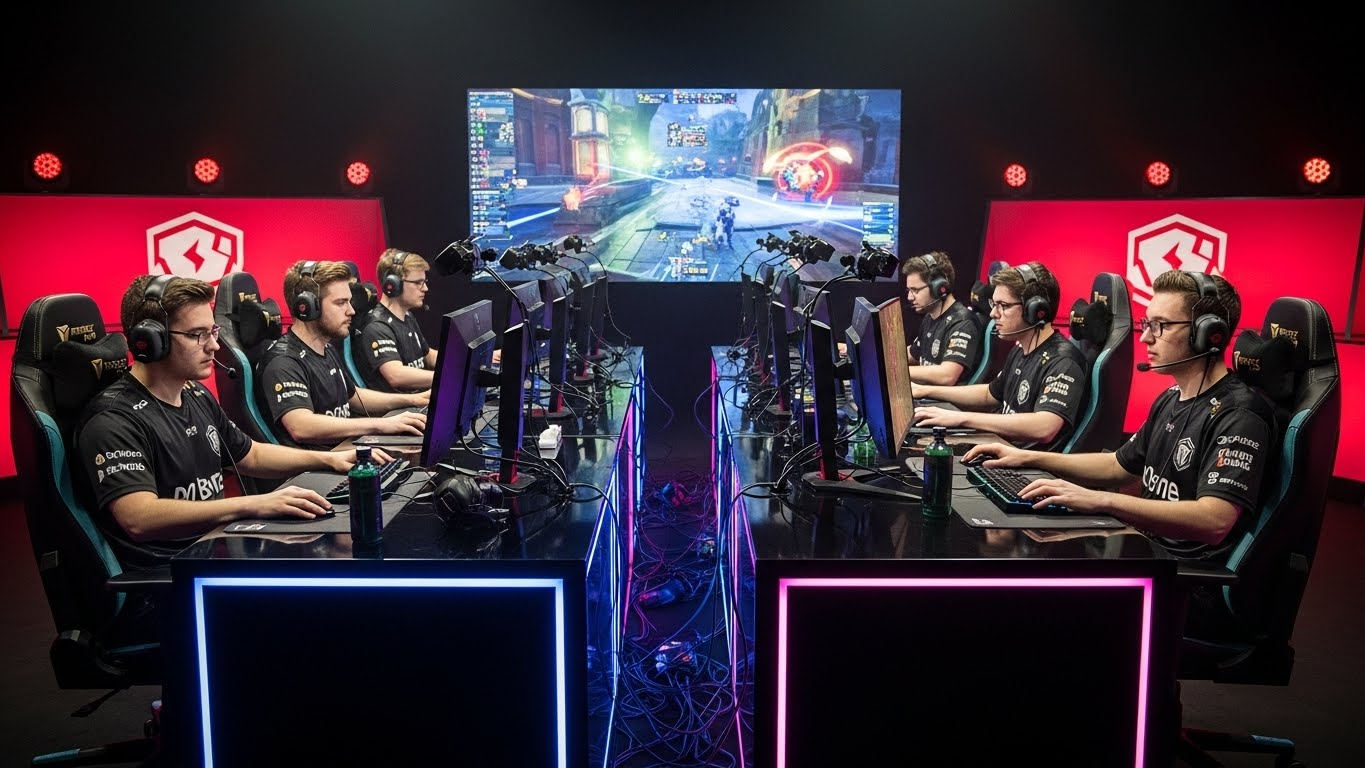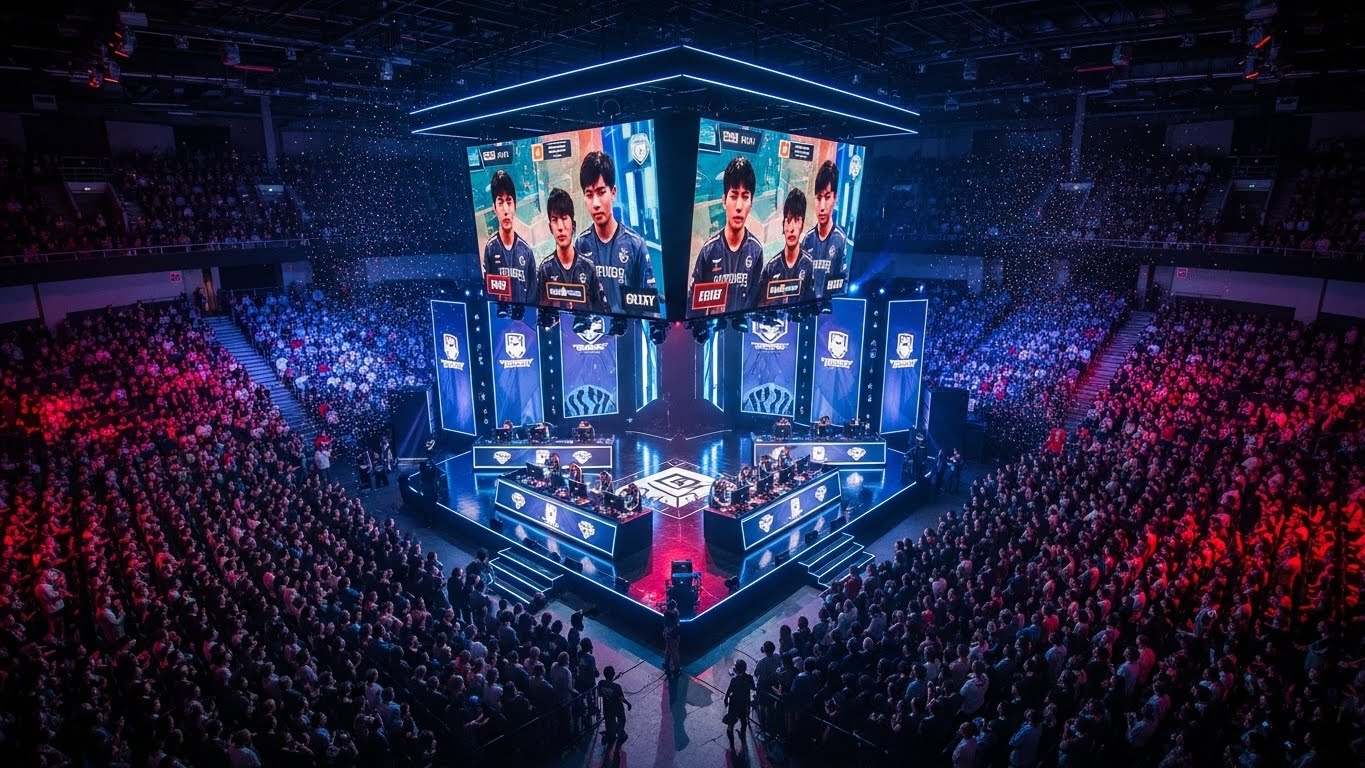
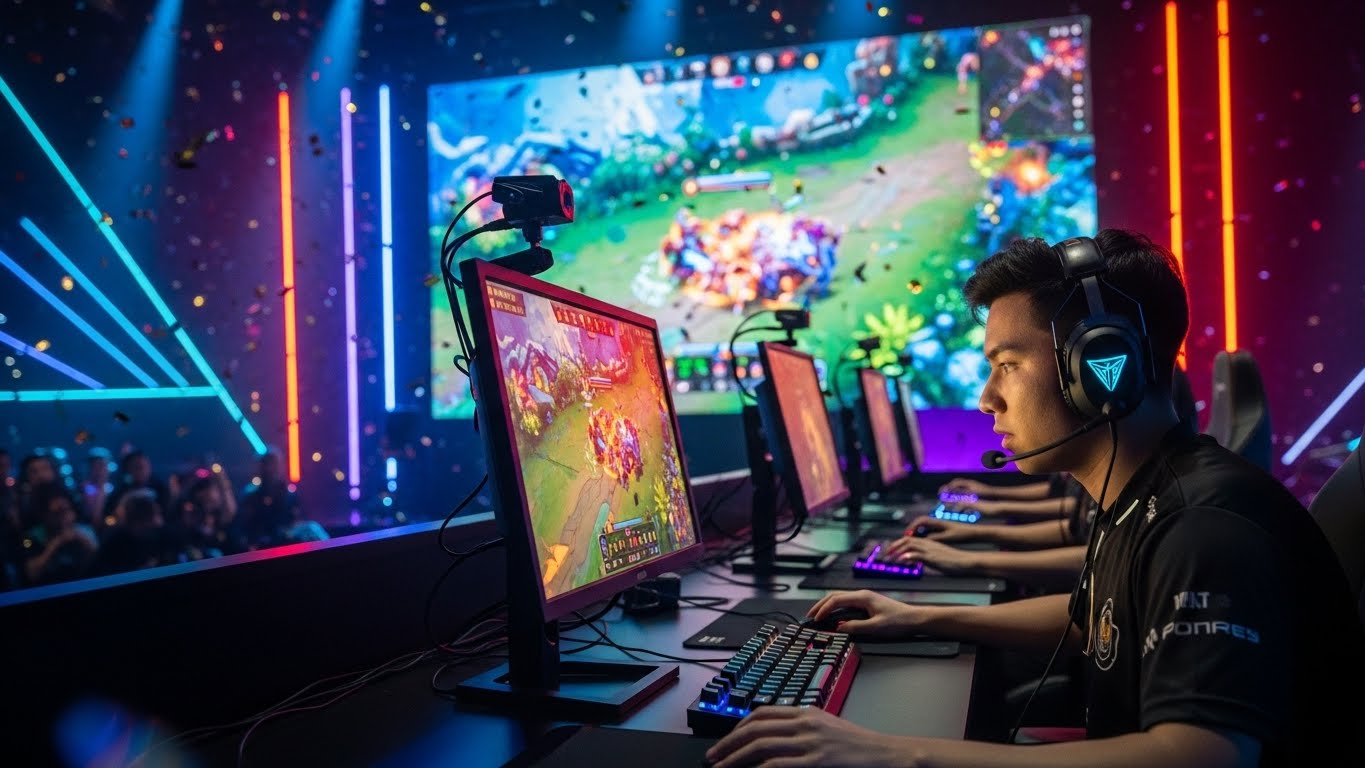
Esports has emerged as one of the most influential and fastest-growing forms of entertainment in the digital age. What once began as casual gaming among friends has evolved into a global competitive ecosystem involving professional players, massive audiences, and thriving industries. Esports represents a shift in how society understands competition, skill, and sportsmanship. Rooted in technology yet driven by human ambition, esports blends strategy, teamwork, and mental excellence into a new form of athletic pursuit. Its rise reflects broader changes in culture, technology, and the way people connect and compete in a digital world.
The Origins of Competitive Gaming
The foundation of esports can be traced back to the early days of video games, when competition revolved around high scores and local bragging rights. Arcade tournaments and college-based competitions were among the first organized gaming events. These early gatherings highlighted a shared passion for mastery and rivalry. As gaming technology advanced, multiplayer experiences became more complex and engaging. Local competitions slowly expanded into regional events, laying the groundwork for structured tournaments. These formative years demonstrated that video games could support serious competition and dedicated communities.
The Transition from Hobby to Profession
Esports reached a major turning point when competitive gaming became a viable career path. Players began dedicating themselves to intense practice schedules, refining strategies and mechanical skills. Teams formed with defined roles, coaching staff, and training routines. Professional leagues introduced structured seasons, rankings, and international championships. Financial backing through sponsorships and prize pools allowed players to focus full-time on competition. This transition elevated esports from a pastime to a profession, demanding discipline, commitment, and continuous improvement.
Skills That Define Esports Athletes
Success in esports requires a unique combination of abilities. Quick reaction time and precise hand-eye coordination are essential, but they represent only part of the equation. Strategic thinking plays a critical role, as players must anticipate opponents’ moves and adapt to evolving situations. Team-based games demand strong communication, trust, and coordination. Individual esports require mental discipline, adaptability, and emotional control. Consistent performance depends on focus, resilience, and the ability to learn from both victory and defeat. These skills highlight the depth and complexity of esports competition.
Mental Strength and Psychological Challenges
The psychological demands of esports are significant. Players perform under intense pressure, often competing in front of large audiences with high expectations. The fear of mistakes, public scrutiny, and the constant drive to improve can create emotional strain. Maintaining confidence and focus during high-stakes matches is crucial. To address these challenges, many professional teams prioritize mental health support, stress management, and balanced routines. The emphasis on psychological well-being reflects the recognition that mental strength is as important as technical skill in esports.
Esports as a Cultural Movement
Esports has grown beyond competition into a vibrant cultural phenomenon. Fans engage deeply with players, teams, and rivalries, forming communities that extend far beyond individual games. Esports culture includes fan art, commentary, analysis, and live reactions, creating shared experiences and identities. Language, fashion, and digital creativity within esports reflect the values of a generation shaped by online interaction. This culture fosters belonging and expression, demonstrating that esports is not only about winning but also about community and shared passion.
The Role of Technology in Esports Development
Technology is the backbone of esports. High-performance hardware ensures smooth gameplay and fair competition, while advanced software enables precise tracking of performance and strategy. Broadcasting technology allows fans around the world to experience matches in real time. Game developers play a crucial role by maintaining balance, fixing exploits, and evolving gameplay mechanics. Emerging technologies continue to shape the future of esports, enhancing immersion, analytics, and training methods. The constant innovation within technology ensures that esports remains dynamic and forward-looking.
Economic Growth of the Esports Industry
The esports industry has become a major economic force with global reach. Revenue is generated through tournaments, sponsorships, merchandise, and media production. Professional teams operate as brands, focusing on marketing, fan engagement, and long-term sustainability. Esports events create employment opportunities in event management, broadcasting, design, and analysis. This economic growth highlights esports as a legitimate and sustainable industry rather than a temporary trend. Its financial impact reflects widespread audience interest and long-term potential.
Education and Skill Development Through Esports
Esports has found a growing presence in educational environments. Competitive gaming promotes valuable skills such as teamwork, strategic thinking, leadership, and problem-solving. Educational institutions increasingly recognize esports as a platform for developing digital literacy and collaboration. Participation in esports encourages discipline, goal-setting, and adaptability. These transferable skills are relevant beyond gaming, supporting personal and professional development. The educational value of esports challenges outdated stereotypes and highlights its broader societal benefits.
Health, Fitness, and Balance in Esports
Although esports is digitally based, physical health remains important for peak performance. Long hours of gameplay require proper posture, ergonomic setups, and regular movement to prevent injury. Nutrition, hydration, and sleep play a vital role in cognitive performance and reaction time. Professional teams often integrate fitness routines and wellness programs into daily schedules. Balancing training with rest and recovery is essential for longevity in esports careers. This holistic approach demonstrates that esports athletes must care for both mind and body.
Global Competition and Cultural Exchange
Esports is inherently global, bringing together players and audiences from different regions and cultures. International tournaments showcase diverse playstyles and strategic philosophies. Players often represent their countries or regions, fostering pride and cross-cultural recognition. These global interactions promote understanding and respect, uniting people through shared enthusiasm for competition. Esports demonstrates how digital platforms can transcend geographic boundaries and create meaningful global connections.
Challenges Facing the Esports Ecosystem
Despite its success, esports faces ongoing challenges. Player burnout, career longevity, and competitive integrity require careful management. Rapid growth creates pressure to balance commercialization with player welfare. Inclusivity and diversity remain important goals for the industry. Establishing clear standards and ethical practices is essential for long-term sustainability. Addressing these challenges will determine how esports continues to evolve and maintain credibility in the global arena.
The Future of Esports
The future of esports promises continued expansion and innovation. Advancements in technology will enhance training, viewing experiences, and competitive formats. Greater integration with education, mainstream entertainment, and traditional sports is likely. As new generations of players and fans emerge, esports culture will continue to evolve. The blending of physical and digital experiences may redefine competition entirely. Esports stands at the forefront of modern entertainment, shaping how people engage with games and with each other.
Conclusion: Esports as the Sport of a Digital Generation
Esports represents a powerful evolution in human competition. It combines technology, strategy, and mental resilience into a modern form of sport that reflects contemporary values and lifestyles. From its grassroots beginnings to its global influence, esports has proven its legitimacy and impact. It creates opportunities for careers, community, and cultural exchange. As technology and society continue to evolve, esports will remain a defining symbol of digital competition, showcasing the limitless potential of human skill in virtual arenas.