Esports has rapidly emerged as one of the most influential forms of competition in the modern world. What began as casual video game matches between friends has evolved into a global industry with professional players, international tournaments, and millions of dedicated fans. Esports represents a fundamental shift in how society understands sports, skill, and entertainment. Rooted in technology and driven by human ambition, competitive gaming has become a platform where strategy, teamwork, and mental precision define success. Its growth reflects not only technological advancement but also changing cultural values in a digitally connected era.
The Foundations of Competitive Gaming
The origins of esports can be traced back to the early days of video gaming, when players gathered in arcades and college campuses to compete for high scores and recognition. These early competitions were informal and community-driven, yet they revealed a natural competitive instinct. As home computers and consoles became more powerful, multiplayer gaming expanded, allowing players to compete beyond physical locations. The introduction of online connectivity transformed gaming into a shared global experience. This shift laid the groundwork for organized tournaments and established competitive gaming as more than a hobby, setting the stage for esports as a structured form of competition.
The Evolution into a Professional Industry
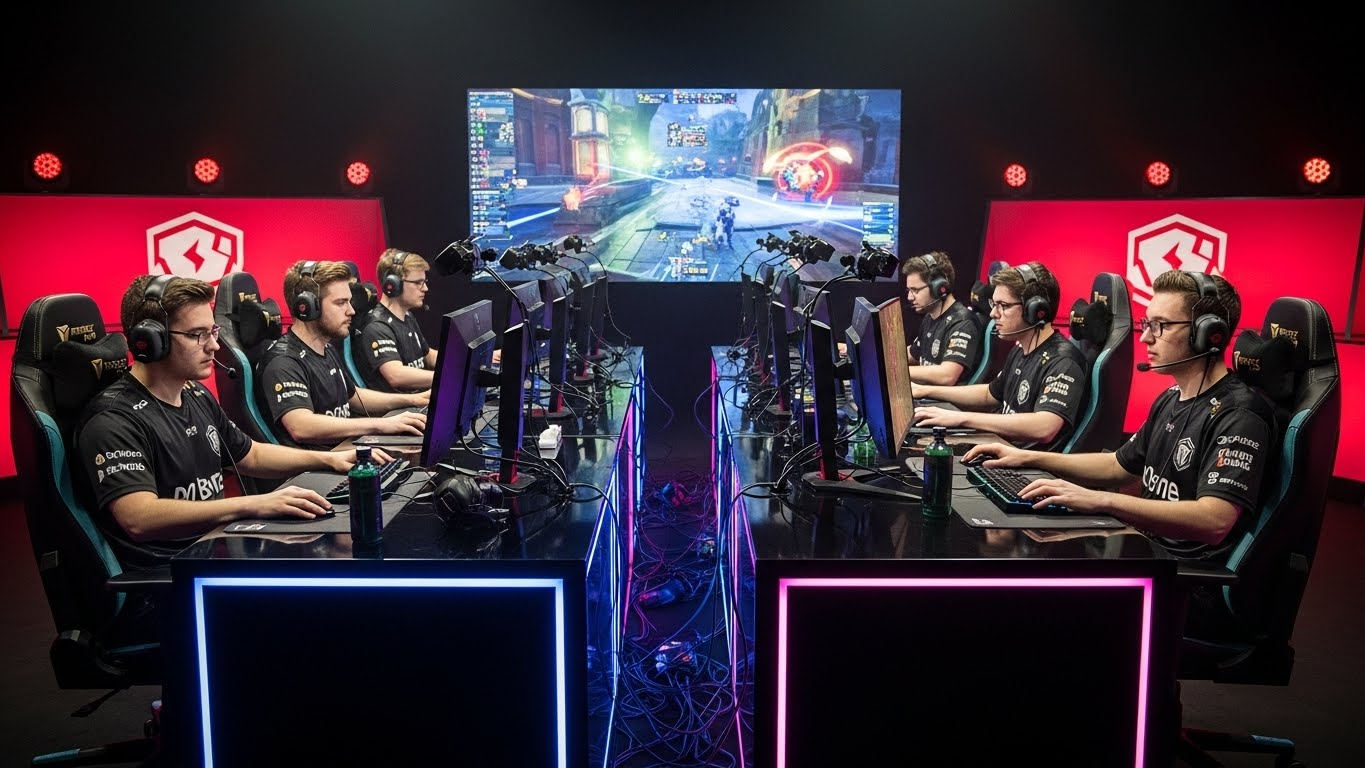
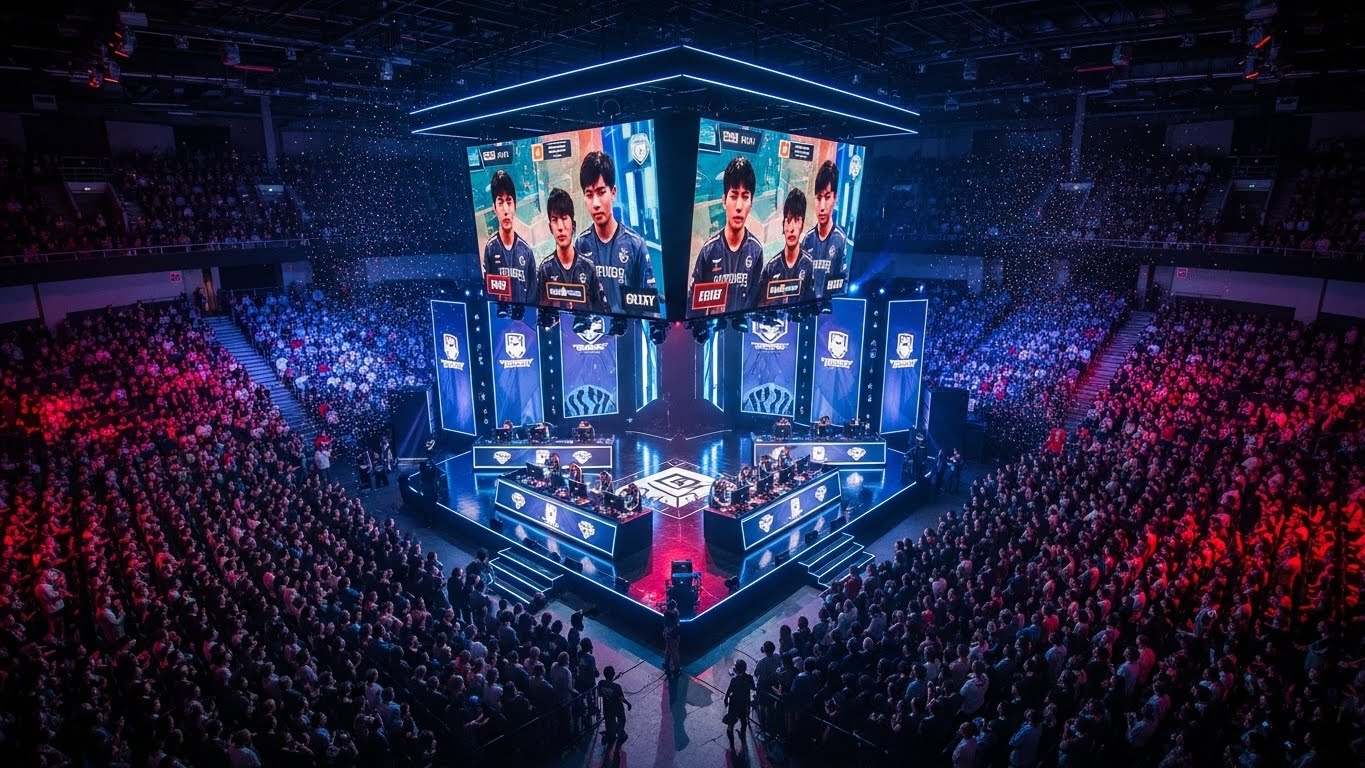
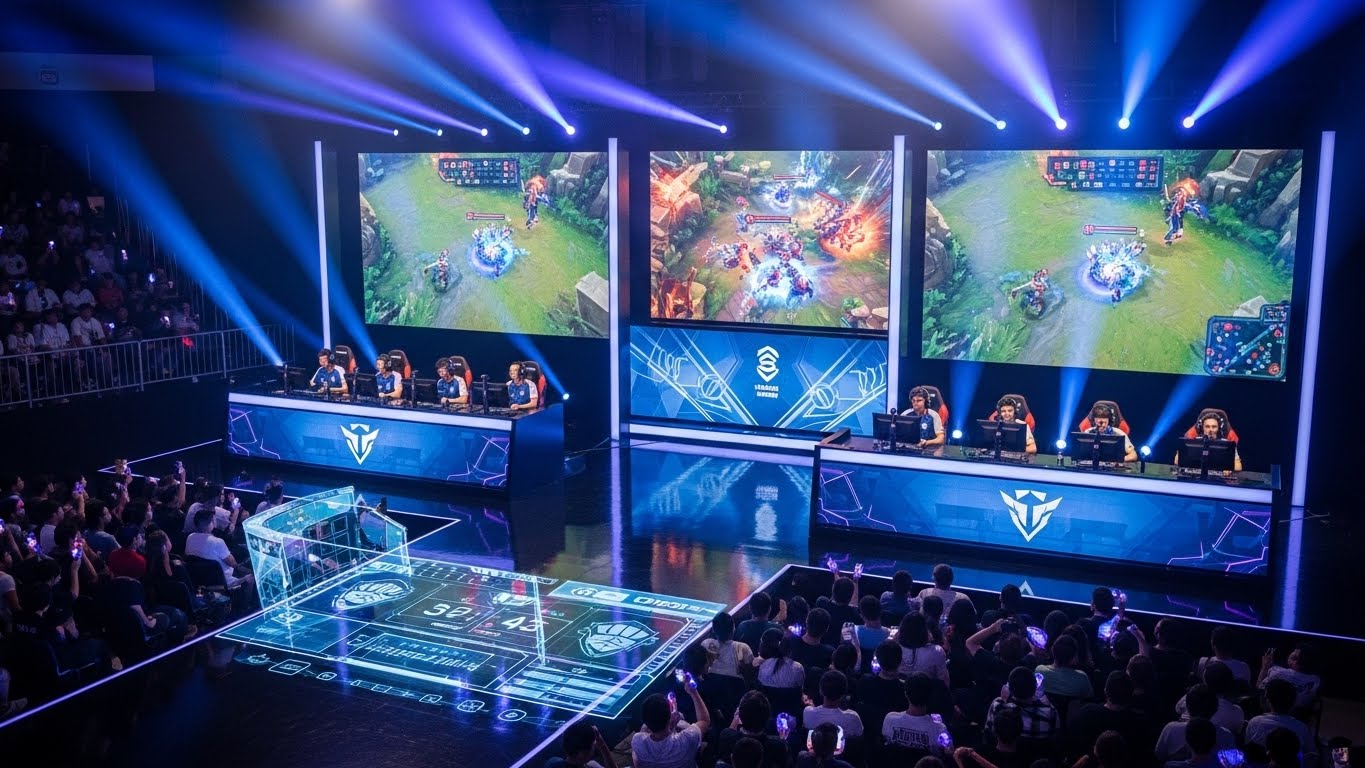
Esports experienced a turning point when organized leagues, sponsorships, and professional teams became standard. Players began training full-time, dedicating hours each day to improving mechanics, learning strategies, and coordinating with teammates. Esports organizations adopted professional structures similar to traditional sports teams, including coaches, analysts, and performance managers. Tournaments evolved into large-scale productions with live audiences and global broadcasts. This professionalization legitimized esports as a career path and demonstrated that competitive gaming demands discipline, preparation, and resilience equal to any traditional sport.
The Skills That Define Esports Athletes
Esports athletes rely on a unique set of skills that blend cognitive ability with technical execution. Quick reaction time, precise hand-eye coordination, and deep understanding of game mechanics are essential. Strategic thinking plays a critical role, as players must anticipate opponents’ decisions and adapt instantly to changing scenarios. Team-based esports emphasize communication, trust, and coordination, requiring players to function as a cohesive unit under pressure. Mental stamina is equally important, as matches can be long and emotionally demanding. These skills highlight the complexity of esports and challenge outdated perceptions that gaming lacks depth or athletic value.
The Psychological Demands of Esports
The mental intensity of esports is one of its defining characteristics. Players compete in high-pressure environments where small mistakes can determine outcomes. Maintaining focus, confidence, and emotional control is critical, especially during major tournaments. The constant demand to perform can lead to stress and burnout if not managed carefully. As a result, many esports organizations now prioritize mental well-being, incorporating psychological coaching and structured routines into training programs. Recognizing the psychological demands of esports underscores the human element of competitive gaming and the importance of mental resilience.
Esports as a Cultural Movement
Esports has grown beyond competition into a powerful cultural phenomenon. Fans do not merely watch matches; they engage deeply with teams, players, and narratives. Esports culture thrives on shared experiences, from celebrating victories to analyzing strategies and rivalries. This engagement fosters strong communities where identity and belonging are shaped through gaming. Esports culture also influences fashion, language, and digital creativity, reflecting the values of a generation raised in online environments. The cultural impact of esports demonstrates its role as a defining feature of modern digital life.
The Role of Technology in Esports Growth
Technology is the foundation upon which esports is built. High-performance hardware, stable internet connectivity, and advanced game design enable fair and competitive play. Broadcasting and streaming technology allow audiences worldwide to experience matches in real time, enhancing accessibility and engagement. Game developers continuously refine balance and performance to maintain competitive integrity. Emerging technologies such as immersive environments and advanced analytics continue to shape how esports is played and viewed. This close relationship between esports and technology ensures constant evolution and innovation within the industry.
Economic Influence of the Esports Industry
The esports industry has become a significant economic force with global reach. Revenue is generated through tournaments, sponsorships, merchandise, media production, and brand partnerships. Professional teams operate as businesses, managing branding, marketing, and fan engagement. Esports events create employment opportunities across various fields, including event production, broadcasting, design, and data analysis. The economic success of esports reflects its mainstream appeal and demonstrates how digital competition can sustain a complex and growing industry.
Esports and Education
Esports is increasingly recognized for its educational potential. Competitive gaming encourages critical thinking, problem-solving, and collaboration. Players learn to analyze situations, develop strategies, and make decisions under pressure. Educational institutions have begun incorporating esports into academic programs, linking gaming with subjects such as technology, media, and business. These initiatives challenge traditional views of learning and highlight how esports can develop valuable skills applicable beyond gaming. Education and esports together represent a modern approach to learning in a digital world.
Health and Lifestyle Balance in Esports
Despite being digitally based, esports requires attention to physical health and lifestyle balance. Long practice hours demand proper posture, regular movement, and physical conditioning to prevent injury. Nutrition, sleep, and mental recovery are essential for sustained performance. Many professional teams now integrate fitness and wellness programs into daily routines. This holistic approach recognizes that peak cognitive performance depends on overall well-being. Addressing health considerations reinforces the idea that esports athletes must care for both mind and body.
Global Competition and Cultural Exchange
Esports is inherently global, connecting players and audiences from different countries and cultures. International tournaments showcase diverse playstyles and strategic philosophies, enriching the competitive environment. Players often represent regions or nations, fostering pride and cross-cultural recognition. These global interactions promote understanding and respect, demonstrating how digital competition can unite people across borders. Esports serves as a modern platform for cultural exchange, highlighting shared passion over geographic differences.
Challenges Facing the Esports Ecosystem
Despite its growth, esports faces several challenges. Issues such as player burnout, competitive fairness, and long-term career sustainability require careful attention. Rapid industry expansion demands strong governance and ethical standards. Balancing commercial interests with player welfare remains an ongoing concern. Addressing these challenges is essential to ensuring the long-term health and credibility of esports. How the industry responds will shape its future direction and societal impact.
The Future of Esports
The future of esports is filled with opportunity and transformation. Advancements in technology will continue to enhance gameplay, training, and viewing experiences. Greater integration with mainstream entertainment and education is likely as acceptance grows. New generations of players and fans will shape esports culture, introducing fresh perspectives and innovation. As boundaries between physical and digital experiences continue to blur, esports is poised to redefine what competition looks like in the modern era.
Conclusion: Esports as the Sport of a Digital Generation
Esports represents a powerful evolution in how humans compete, connect, and express skill. It blends technology with human ambition, creating a space where mental strength, teamwork, and creativity thrive. From its grassroots beginnings to its current global presence, esports reflects the values of a digitally native generation. Its influence extends beyond gaming into culture, education, and economics. As esports continues to grow and mature, it stands as a defining symbol of modern competition, proving that sport is not limited by physical boundaries but driven by human passion and innovation.