Introduction: The Rise of Esports
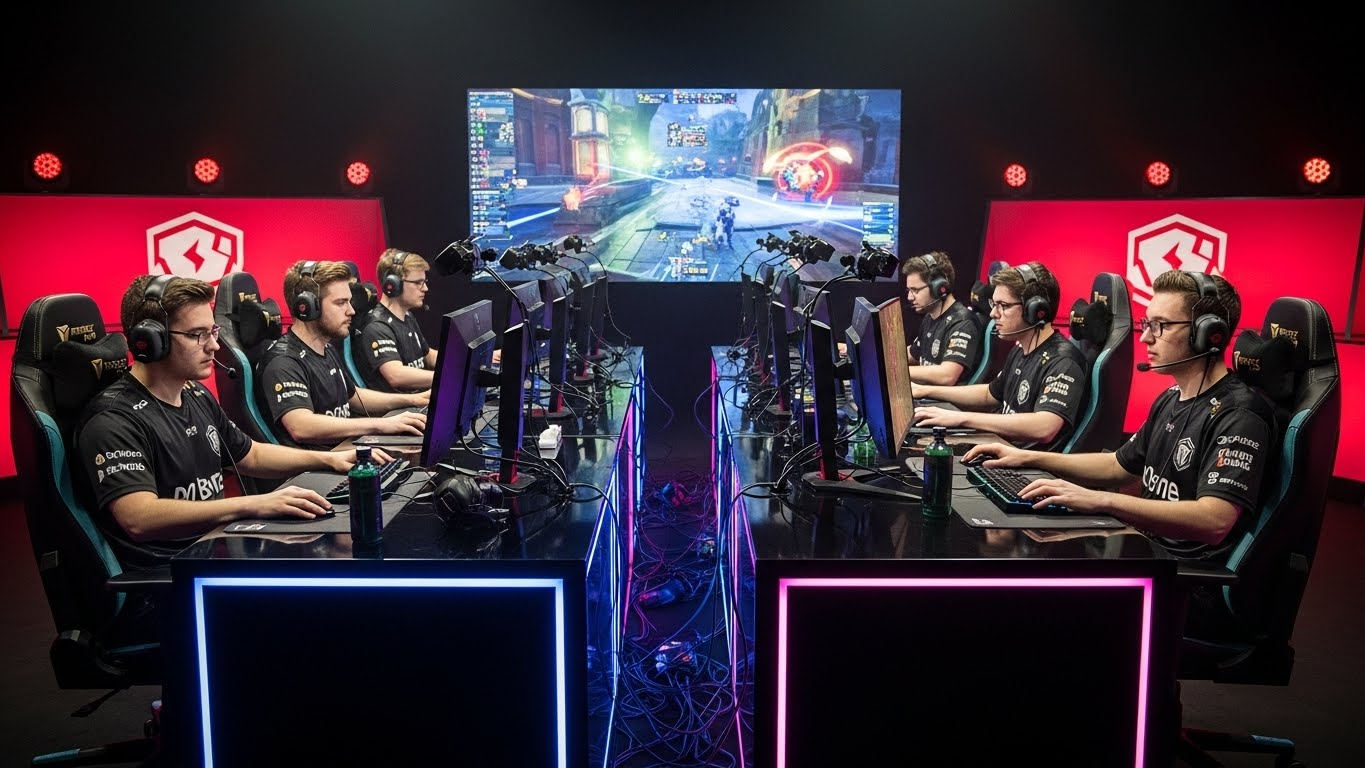
Esports, or competitive video gaming, has emerged as a cultural phenomenon over the past two decades. Once considered a niche hobby, it has transformed into a global industry attracting millions of players, fans, and investors. With professional tournaments, massive audiences, and multi-million-dollar prize pools, esports has transcended entertainment, becoming a legitimate career path and a major influence on youth culture. The rise of esports reflects the growing intersection of technology, competition, and social connection, redefining the very concept of sports in the digital age.
The Evolution of Esports
Esports traces its roots to the early days of arcade and console gaming. In the 1980s and 1990s, local gaming competitions began to gain popularity, but the internet revolution in the 2000s catalyzed their global reach. Online multiplayer games allowed players from different regions to compete in real-time, creating virtual communities and leagues. Titles like StarCraft, Counter-Strike, and Dota 2 became pillars of competitive gaming, establishing professional circuits, sponsorship deals, and structured tournaments. Today, esports encompasses a diverse range of games, from first-person shooters and real-time strategy games to battle royale and sports simulations.
The Physical and Mental Benefits of Esports
While esports may appear primarily digital, participation provides several cognitive and strategic benefits. Gamers develop advanced hand-eye coordination, reflexes, and decision-making skills. Competitive play requires quick thinking, adaptability, and the ability to anticipate opponents’ strategies, which translates to real-life problem-solving and critical thinking. Additionally, esports encourages teamwork, communication, and leadership in multiplayer settings. The mental discipline cultivated through practice and competition is akin to traditional sports, challenging players to remain focused, resilient, and motivated.
Esports as a Social Platform
Esports thrives not only as competition but as a social experience. Online platforms allow players to connect with friends and strangers across the globe, fostering communities that share tips, strategies, and experiences. Streaming platforms provide an interactive space where fans engage with professional players, creating a sense of inclusion and belonging. Local esports clubs and university teams also serve as social hubs, bringing together individuals with shared passions. In this way, esports transcends its digital nature, bridging geographic and cultural gaps and reinforcing social bonds.
Career Opportunities in Esports
The professionalization of esports has created diverse career paths beyond being a player. Professional gamers can earn significant incomes through tournament winnings, sponsorships, and streaming revenue. Behind the scenes, roles in coaching, analysis, broadcasting, event management, game development, and marketing are thriving. Esports has also opened doors in education, with universities offering scholarships and degree programs focused on gaming, digital media, and esports management. The industry’s rapid growth reflects its potential to provide sustainable careers and economic opportunities in the digital era.
The Economic Impact of Esports
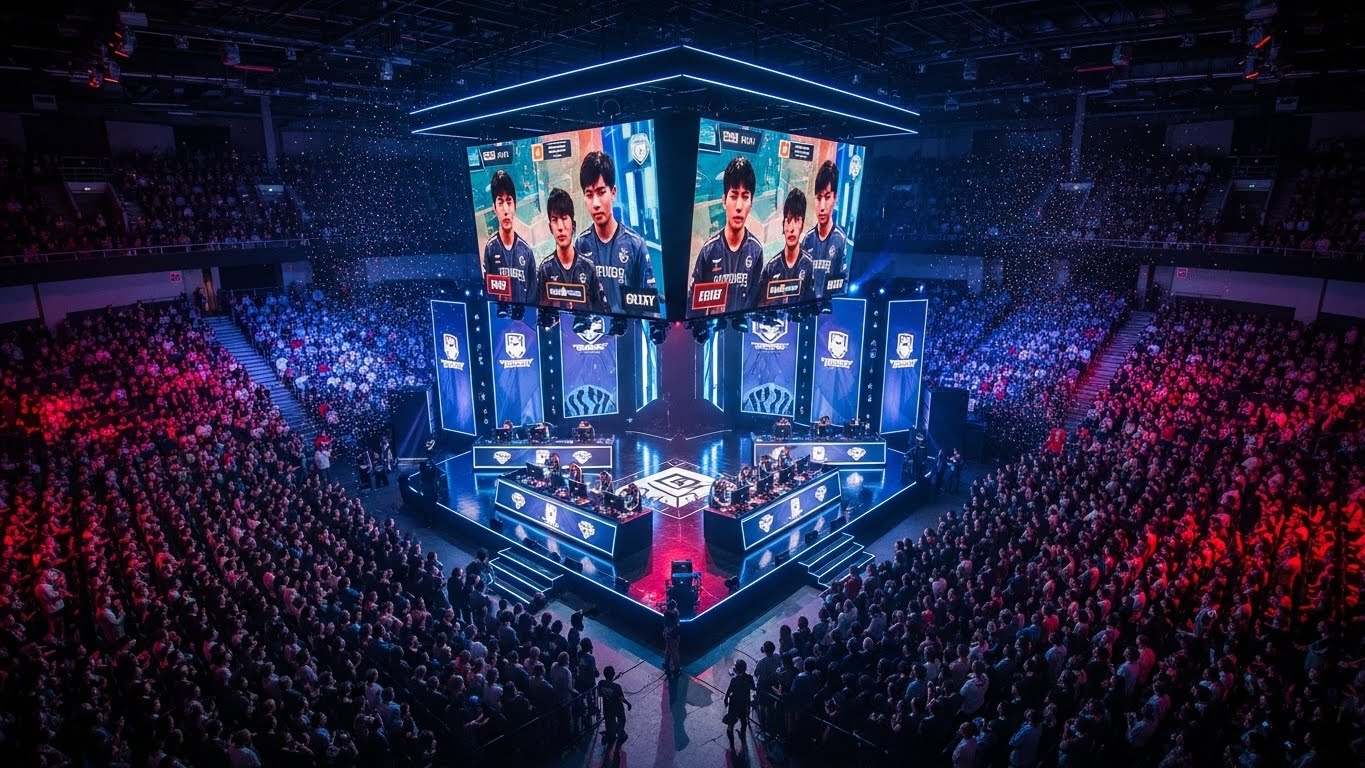
Esports is not just a cultural movement; it is a significant economic force. Global revenue from esports has surged, driven by sponsorships, advertising, ticket sales, merchandise, and media rights. Major tournaments attract tens of thousands of live spectators and millions of online viewers, generating revenue streams similar to traditional sports. Game developers, streaming platforms, and esports organizations benefit from a thriving ecosystem, while brands leverage esports for marketing to younger, tech-savvy audiences. The economic footprint of esports demonstrates its viability as a professional industry and a driver of technological and commercial innovation.
Esports and Technology
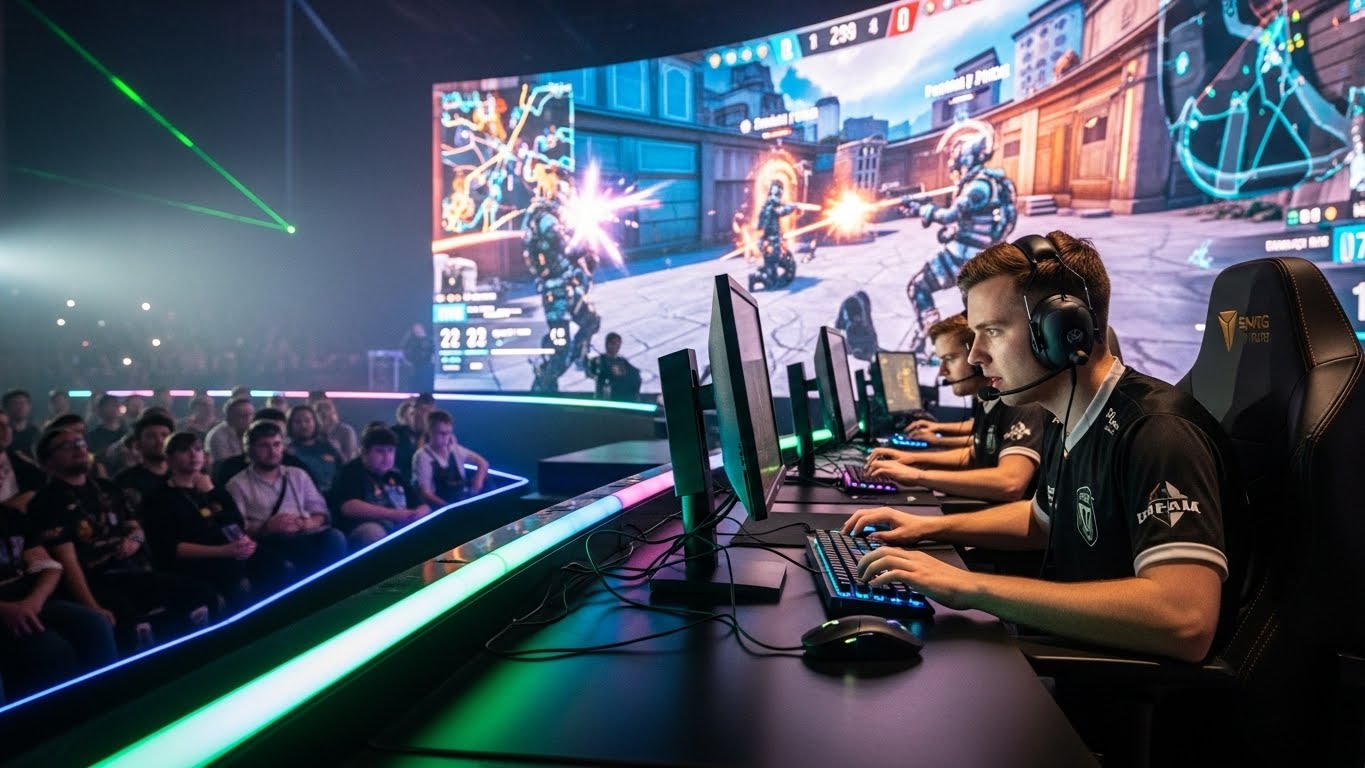
Technology is the backbone of esports. High-speed internet, advanced gaming hardware, live streaming platforms, and analytics tools have revolutionized competitive play. Players rely on precise peripherals, ergonomic setups, and performance-monitoring software to optimize their skills. Tournaments employ sophisticated production techniques, including virtual arenas, augmented reality, and interactive live streaming, enhancing the viewer experience. Emerging technologies like artificial intelligence and cloud gaming are set to further transform esports, making competitive play more accessible, immersive, and data-driven.
Challenges Facing the Esports Industry
Despite its rapid growth, esports faces several challenges. The pressure of professional play can lead to burnout, stress, and mental health issues among players. The industry also grapples with issues like cheating, online toxicity, and exploitative contracts in some organizations. Additionally, while female participation is growing, gender representation remains a concern, as does access for individuals from underrepresented communities. Addressing these challenges is essential for creating an ethical, inclusive, and sustainable ecosystem where players, fans, and professionals can thrive.
The Global Influence of Esports
Esports has emerged as a global phenomenon with cultural, social, and political influence. Countries like South Korea, China, and the United States have integrated esports into mainstream entertainment and education. International tournaments foster cross-cultural engagement, bringing together players and fans from diverse backgrounds. Esports also plays a role in diplomacy and cultural exchange, with competitions sometimes acting as platforms for soft power and global collaboration. The global reach of esports demonstrates its capacity to influence lifestyles, economies, and international relations.
The Future of Esports
The future of esports is poised for exponential growth and innovation. Virtual reality and augmented reality promise more immersive competitive experiences. Integration with traditional sports, educational programs, and professional leagues is increasing legitimacy and visibility. Sustainability and accessibility are also becoming central, ensuring that esports can continue to expand without compromising inclusivity or ethical standards. As technology and societal acceptance evolve, esports is set to become an even more integral part of entertainment, education, and professional life.
Conclusion: Esports as a Transformative Force
Esports is more than just digital gaming; it is a transformative force reshaping competition, entertainment, and social interaction. It empowers individuals with cognitive, social, and career skills, connects communities globally, and drives economic innovation. While challenges exist, the industry’s adaptability, technological foundation, and cultural relevance ensure its continued growth. Embracing esports is not merely about celebrating gaming excellence but recognizing its potential to educate, unite, and inspire a generation immersed in the digital world. The digital arena of esports represents the future of competition, community, and creativity.