Introduction: The Rise of Esports
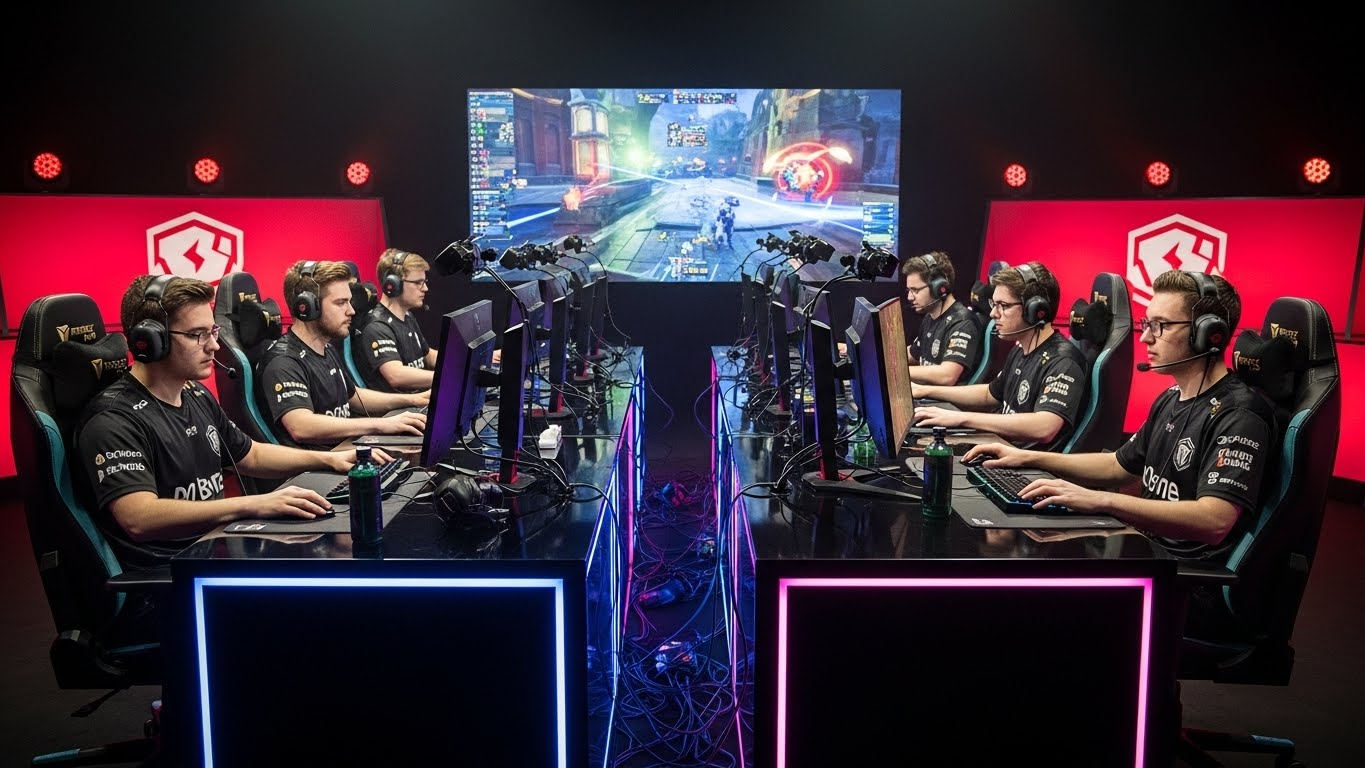
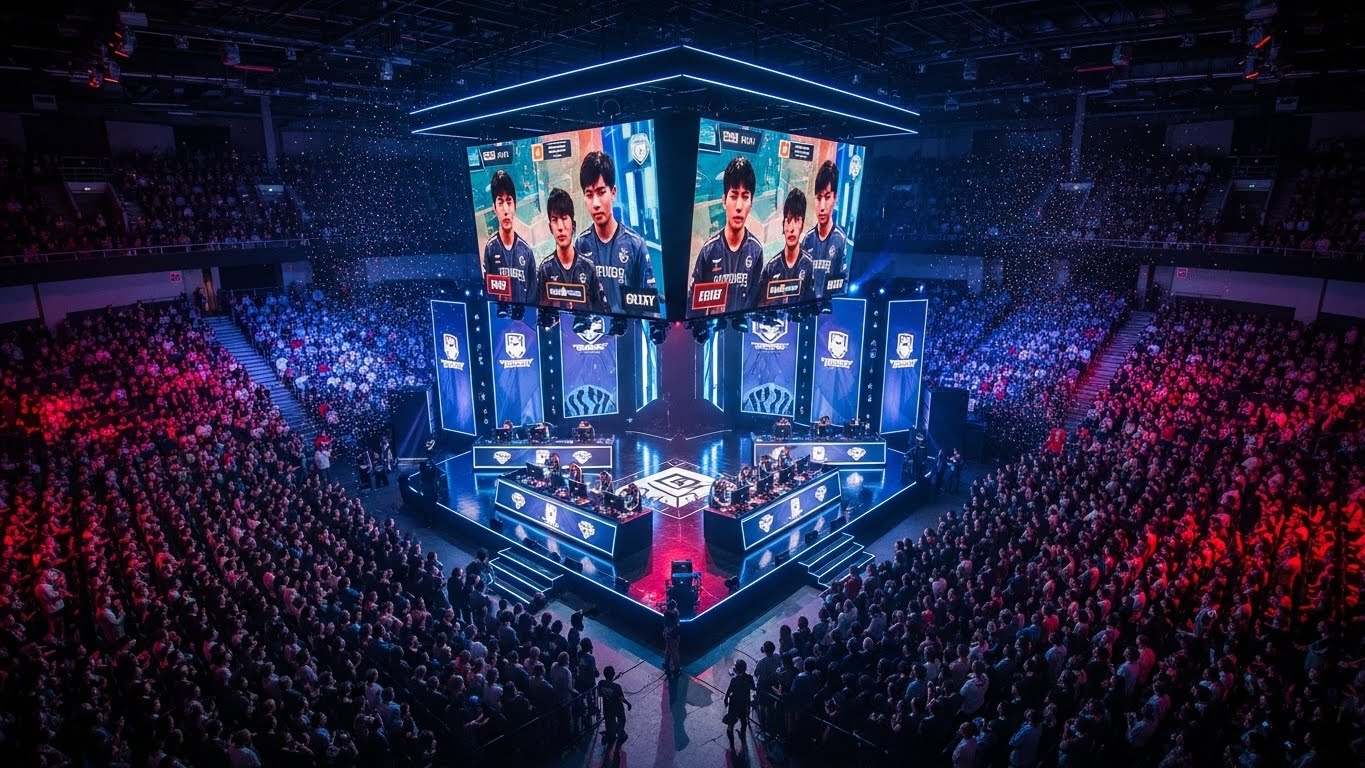
In the past decade, a new form of competition has emerged, captivating millions worldwide and transforming gaming from a hobby into a professional pursuit. Esports, or competitive video gaming, has become a global phenomenon, attracting players, spectators, and investors alike. Unlike traditional sports, esports combines technology, strategy, and entertainment, creating a unique landscape where skill, reflexes, and teamwork determine success. This blog explores the evolution of esports, its cultural and economic impact, the professional ecosystem, and why it is rapidly becoming one of the most influential forms of entertainment in the modern world.
The Evolution of Competitive Gaming
The roots of esports can be traced back to the early 1980s, when arcade games and early video consoles gained popularity. Tournaments such as the Space Invaders Championship in 1980 showcased the competitive potential of gaming. As technology advanced, gaming consoles, personal computers, and online platforms allowed players to connect globally, paving the way for organized competitive events.
By the 2000s, esports began to resemble professional sports, with structured leagues, sponsorships, and broadcasting networks. Games like StarCraft, Counter-Strike, and Warcraft laid the foundation for competitive gaming culture. Today, titles such as League of Legends, Dota 2, and Fortnite have propelled esports into mainstream entertainment, drawing millions of live viewers and offering multi-million-dollar prize pools.
Esports as a Professional Career
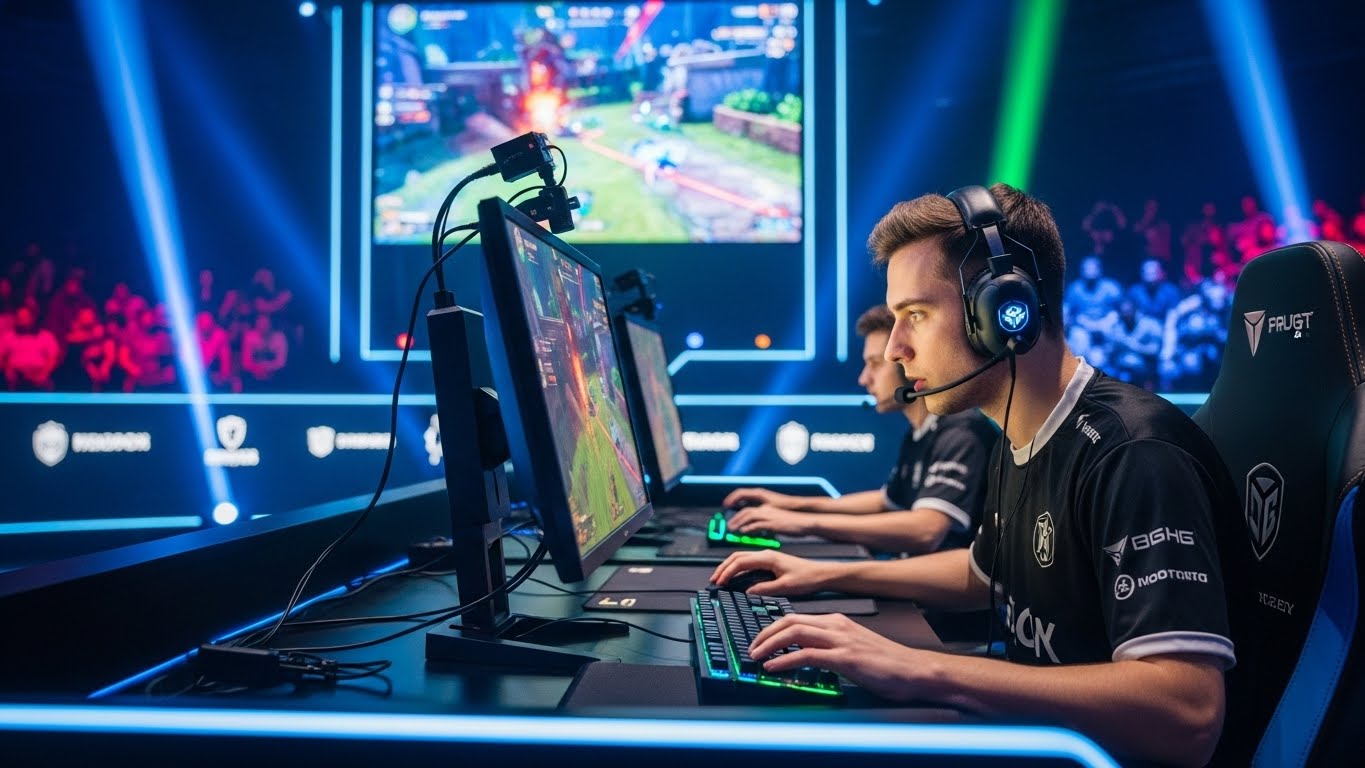
Esports is no longer just a pastime; it has evolved into a legitimate career path. Professional gamers dedicate extensive hours to practice, strategy development, and teamwork. Similar to athletes in traditional sports, esports professionals require physical endurance, mental resilience, and strategic thinking to compete at the highest levels.
Teams and organizations provide support systems including coaching, analysts, and health specialists. Sponsorships, brand endorsements, and tournament winnings contribute to substantial earnings for top players. Universities and educational programs have even started offering esports scholarships, recognizing gaming as a discipline that cultivates focus, teamwork, and critical thinking.
The Esports Ecosystem
The esports industry consists of multiple interconnected elements that make it a sustainable and dynamic ecosystem. Developers create competitive titles, organizers plan tournaments and leagues, and streaming platforms broadcast events to millions of viewers. Sponsors and advertisers invest in teams, players, and events, creating a thriving economic model.
Fans are a critical part of this ecosystem, engaging with content through live streams, social media, and interactive platforms. Community involvement, fan interaction, and digital engagement drive the popularity of esports, creating a global network of enthusiasts who participate actively in shaping the industry.
Popular Esports Titles and Genres
Esports spans multiple genres, each with unique competitive dynamics. Multiplayer online battle arena games, or MOBAs, like League of Legends and Dota 2, emphasize teamwork, strategy, and fast decision-making. First-person shooters, including Counter-Strike: Global Offensive and Call of Duty, demand precision, reflexes, and situational awareness. Battle royale games, like Fortnite and Apex Legends, challenge players with survival strategies and adaptability under pressure.
Sports simulation games, such as FIFA and NBA 2K, replicate real-world sports with a digital twist, attracting both traditional sports fans and gaming enthusiasts. Each genre has cultivated its own community, culture, and competitive scene, demonstrating the versatility and inclusivity of esports.
The Role of Streaming Platforms in Esports Growth
Streaming platforms like Twitch, YouTube Gaming, and Facebook Gaming have played a crucial role in esports’ global expansion. These platforms allow fans to watch live matches, interact with players, and participate in discussions, creating an interactive spectator experience.
Streamers, who combine gaming skills with personality and entertainment value, have emerged as influential figures. They bridge the gap between professional competition and casual gaming, making esports accessible to a wider audience. Live streaming has also enabled smaller tournaments to gain international attention, supporting the growth of grassroots esports and new talent discovery.
Esports and the Global Economy
Esports is not only a cultural phenomenon but also a significant economic driver. Tournament prize pools have reached millions of dollars, while sponsorships and advertising revenue continue to grow exponentially. Professional teams operate as businesses, managing players, merchandise, and media rights.
The industry supports ancillary businesses as well, including hardware manufacturers, software developers, event organizers, and marketing agencies. Cities hosting major esports tournaments experience increased tourism and economic activity, highlighting the broader economic influence of this rapidly growing sector.
Esports and Education
The integration of esports into educational systems demonstrates its potential beyond entertainment. Schools and universities offer esports clubs, scholarships, and competitive programs, recognizing the discipline, strategy, and teamwork involved. Esports promotes critical thinking, time management, and leadership skills, preparing students for diverse career paths within and beyond gaming.
Colleges are investing in esports facilities, coaching staff, and academic research, further legitimizing the field. Educational involvement ensures that esports continues to develop responsibly, nurturing talent while fostering personal and professional growth.
The Social Impact of Esports
Esports has redefined community and social interaction in the digital age. Unlike traditional sports, players and fans connect globally through online platforms, forming diverse communities united by shared interests. Collaborative gameplay encourages teamwork and communication, while social streaming enables interaction between players and audiences.
Esports also fosters inclusivity, providing opportunities for individuals regardless of physical ability or geographic location. Online platforms allow anyone with access to a computer or console to participate, creating a level playing field and expanding the reach of competitive gaming.
Health and Wellbeing in Esports
While esports is a digital activity, physical and mental health remain crucial for players. Professional gamers maintain fitness routines, diet plans, and ergonomic practices to prevent physical strain from long hours of gameplay. Mental health support, including stress management and counseling, is essential to handle the pressures of competition.
The industry increasingly emphasizes balanced lifestyles, recognizing that sustainable performance requires physical activity, mental clarity, and rest. Health awareness contributes to professional longevity and enhances the overall professionalism of esports.
Challenges Facing Esports
Despite rapid growth, esports faces challenges including regulatory concerns, cheating, and toxicity in online communities. Ensuring fair competition, player welfare, and ethical management is essential for sustaining credibility. Additionally, the industry must navigate issues related to monetization, intellectual property, and accessibility, balancing commercial growth with community engagement.
Addressing these challenges will determine the long-term stability and global acceptance of esports as both a professional sport and a cultural phenomenon.
The Future of Esports
The future of esports is promising, with continued technological innovation and increased mainstream recognition. Virtual reality and augmented reality may create more immersive competitive experiences, while artificial intelligence could enhance coaching, strategy development, and audience engagement.
Esports is likely to expand into new regions, attracting a more diverse talent pool and broader fanbase. Integration with traditional media, collaborations with sports organizations, and continued investment from global brands will further cement esports as a leading form of entertainment and professional competition.
Conclusion: Esports as a Cultural and Competitive Force
Esports represents a paradigm shift in entertainment and competition. It combines technology, skill, and strategy, engaging millions of players and spectators worldwide. Beyond gameplay, esports fosters communities, supports economic growth, and provides career opportunities, reflecting the evolving nature of sports in the digital age.
From grassroots competitions to international tournaments, esports continues to redefine the boundaries of competitive gaming. Its growth demonstrates the potential of digital platforms to create global cultural phenomena, highlighting how passion, dedication, and innovation can transform a hobby into a professional and societal force. Esports is not merely a trend; it is a lasting testament to the power of digital interaction, teamwork, and human ambition in the 21st century.