Introduction: A New Era of Competitive Entertainment
Esports, once seen as a niche corner of the gaming world, has rapidly evolved into a global phenomenon that challenges traditional definitions of sports and entertainment. Over the last decade, competitive gaming has transformed from casual local tournaments into massive international events watched by millions. With professional teams, large-scale sponsorships, dedicated arenas, and a growing fanbase, esports now stands as one of the fastest-growing industries in the world. This transformation didn’t happen overnight; it is the result of cultural shifts, technological innovation, and the passion of players who turned their love for games into a career. In this blog, we explore how esports rose to prominence, why it captivates audiences, and what the future might hold for this exceptional digital sport.
The Origins: From Basement Battles to Global Stage
Esports began humbly in the late twentieth century when gaming enthusiasts gathered in arcades and small rooms to compete for high scores. Titles like Space Invaders and Street Fighter sparked competitive play long before the idea of esports existed. The 1990s brought a significant shift as PC gaming entered the spotlight. Games like Doom, Quake, and StarCraft created opportunities for tournaments that slowly gained media attention.
However, the explosion of esports can be traced to the early 2000s, when high-speed internet and personal computers became more accessible. This allowed players from different parts of the world to compete online, turning local contests into global battlegrounds. Slowly, the esports ecosystem began to form—teams, leagues, sponsorships, and event organizers helped solidify the structure that still supports the industry today.
The Games That Built the Foundation
Certain games played a critical role in shaping esports into what it is today. Titles like Counter-Strike, League of Legends, Dota 2, and StarCraft II became cultural pillars of competitive gaming. These games offered depth, strategy, and teamwork, creating a dynamic viewing experience. They also attracted skilled players who dedicated significant time to mastering complex mechanics.
Multiplayer online battle arena games, known as MOBAs, rose to prominence with League of Legends and Dota 2 creating some of the largest esports communities in the world. First-person shooters, including Counter-Strike and Overwatch, added fast-paced energy and tactical brilliance. Meanwhile, battle royale games such as Fortnite and Apex Legends attracted younger audiences hungry for new formats. Each genre contributed to the growth of esports by appealing to different playstyles and demographics.
Spectatorship: Why Millions Watch Other People Play
One of the most fascinating aspects of esports is the enormous audience it attracts. Some people wonder why anyone would watch others play video games, but the answer lies in the same logic that drives traditional sports viewership. Spectators tune in for skill, strategy, entertainment, and a sense of connection. Esports players are experts, capable of performing game mechanics with incredible precision. Their reflexes, decision-making, and teamwork rival the mental and physical skills required in traditional sports.
Another major appeal is accessibility. Watching esports is easier than ever thanks to streaming platforms that allow fans to connect with competitors around the world. Many viewers also enjoy the personalities behind the players—streamers and professional gamers often share their daily lives, giving fans a deeper, more personal connection than many traditional athletes offer.
The Rise of Professional Players and Teams
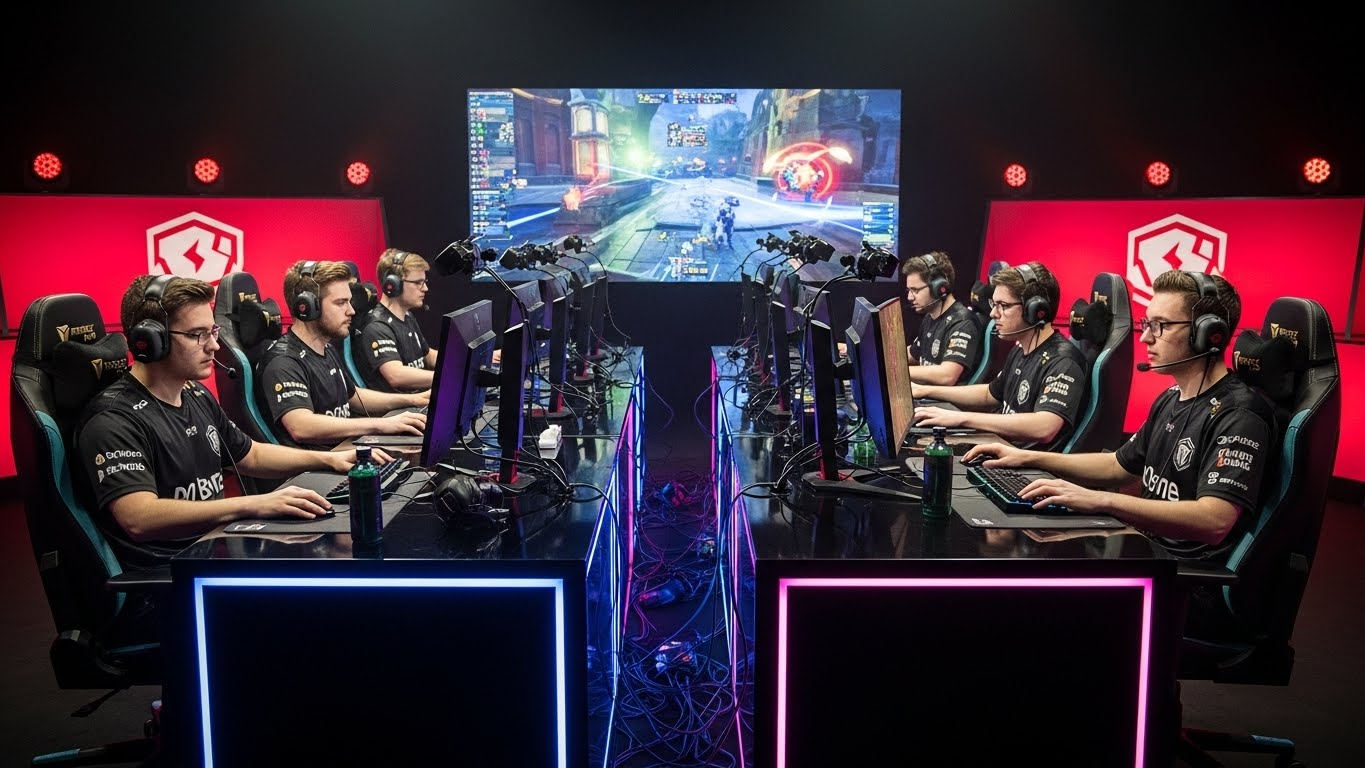
Professional esports athletes undergo rigorous training, often practicing up to ten hours a day. Their routines include strategy sessions, physical workouts, team meetings, and scrimmage matches against other skilled players. With millions in prize money on the line, the stakes are high, and the level of talent continues to rise each year.
Teams are structured similarly to traditional sports organizations, complete with coaches, analysts, managers, and support staff. Some of the most recognized esports teams maintain training facilities equipped with state-of-the-art technology. These environments help players improve performance, build team chemistry, and maintain competitive discipline.
The lives of professional players, however, are not without challenges. The intense pressure to perform, along with long practice hours and the brief length of competitive careers, can take a mental and physical toll. As the industry matures, discussions about player welfare, burnout, and career longevity have become increasingly important.
The Business Behind the Screens
What makes esports such a powerful global force is not just the games or the players—it’s the business ecosystem built around them. Revenue flows from sponsorships, advertising, merchandise, media rights, and large tournament prize pools. Major brands from industries such as technology, food and beverage, automotive, athletics, and entertainment have invested heavily in esports.
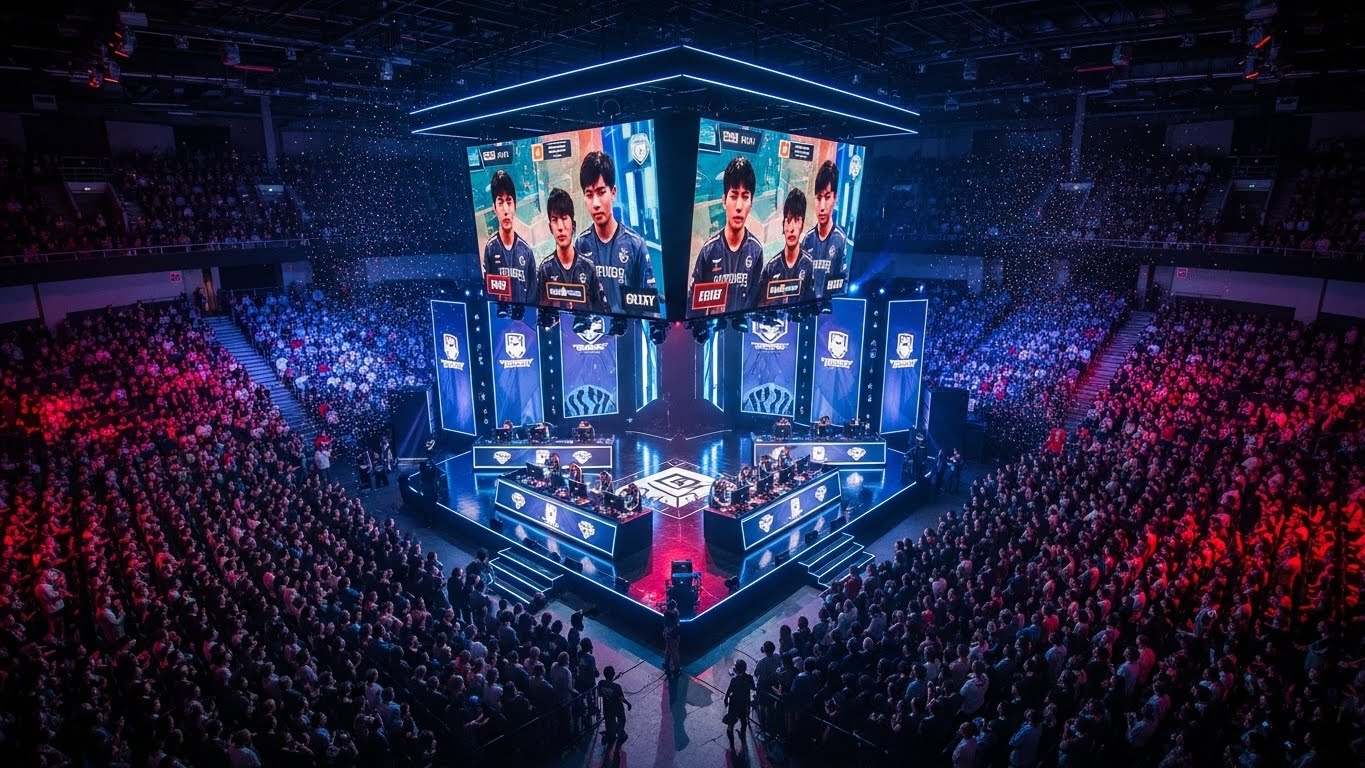
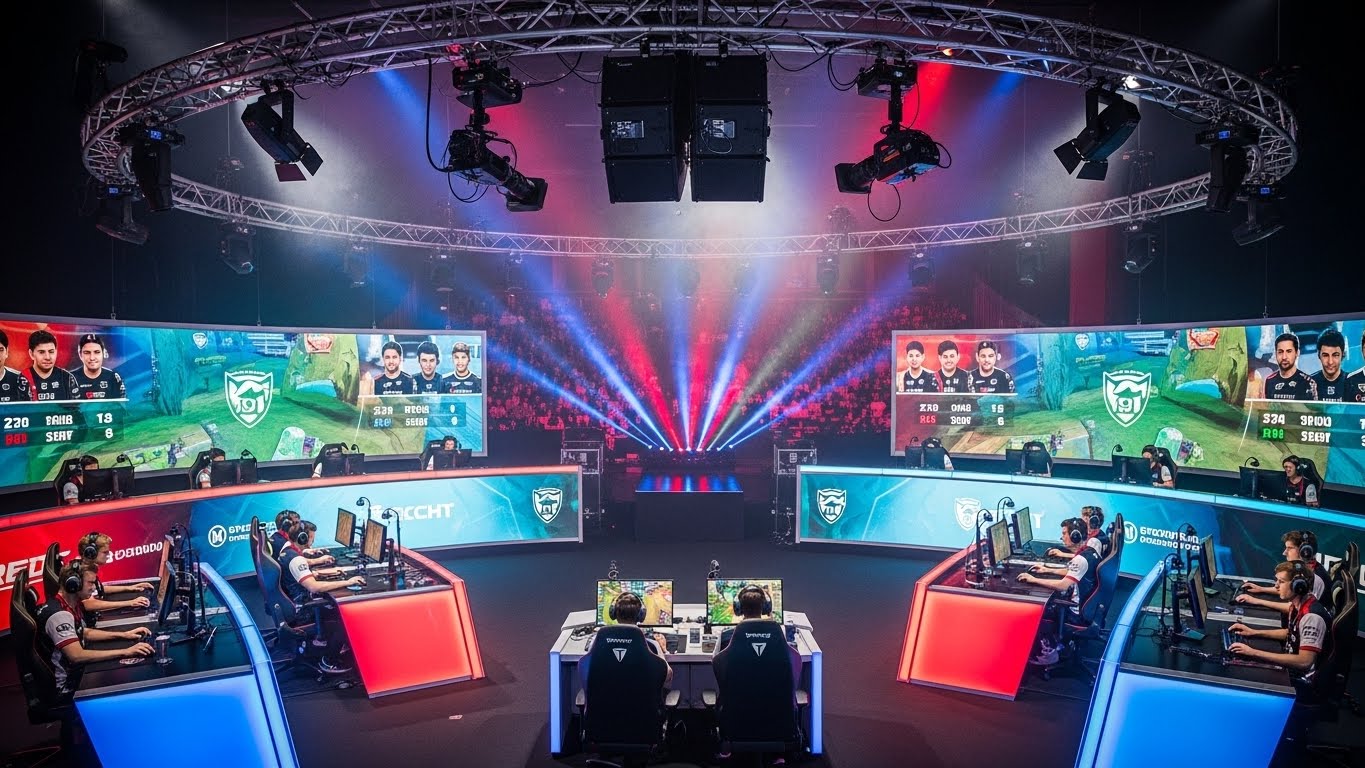
Live events have also created substantial economic impact. Esports arenas now host thousands of fans, and some tournaments fill stadiums that once only welcomed traditional sports. Cities around the world are building dedicated esports venues to support the rising demand for spectator events. The economic momentum has contributed to job creation across many fields, including marketing, production, analytics, design, and coaching.
Universities have also joined the movement. Many now offer esports scholarships, programs, and teams, providing young players with opportunities to develop their skills in a structured environment. This academic integration further cements esports as a legitimate and valuable discipline.
Technology: The Backbone of Esports’ Growth
The evolution of technology plays a central role in the rise of esports. Faster internet speeds, advanced gaming hardware, and powerful streaming platforms have laid the foundation for global competitive play. Innovations in graphics, game engines, and online connectivity have made modern esports visually stunning and highly immersive.
Virtual reality and augmented reality are expected to shape the next wave of competitive gaming. These technologies could introduce new genres and experiences that merge physical movement with digital environments. Artificial intelligence is also playing a growing role, helping teams analyze gameplay, develop strategies, and optimize performance.
Cultural Impact: A New Form of Identity and Community
Esports has cultivated communities that span continents and bring people together regardless of language or background. Fans form deep connections with players, teams, games, and each other. Shared excitement, discussions, and live event gatherings foster a sense of belonging.
Esports has also influenced fashion, music, and media. Game-inspired apparel has become a cultural trend. Artists produce songs dedicated to major tournaments. Documentaries and series highlight the stories behind players and teams. With each passing year, esports continues to blend further into mainstream culture.
Challenges That Could Shape the Future
While esports has achieved immense success, it faces challenges that must be addressed for sustainable growth. Issues such as player burnout, fair play, regulation, and competitive integrity require constant attention. Game publishers hold significant control over their game ecosystems, which raises questions about standardization and governance.
Another challenge is ensuring diversity and inclusion. While esports is open to anyone with a computer or console, barriers in representation still exist. Encouraging participation from underrepresented groups is crucial for the health of the industry.
The Future: Boundless Potential Ahead
Esports shows no signs of slowing down. With increased investment, improved technology, and expanding audiences, the industry is poised for continued growth. Future developments may include more structured leagues, global championships, advanced training programs, and deeper integration with traditional media.
Schools may adopt esports as part of physical education, while companies continue to embrace gaming culture in marketing and recruitment. As metaverse technologies evolve, virtual arenas may become the new home of international competitions. The possibilities are limitless.
Conclusion: Beyond Entertainment
Esports is more than a pastime—it is a modern cultural movement that blends competition, creativity, and community. Its rapid rise demonstrates the power of digital entertainment to shape new forms of connection and achievement. Esports stands at the intersection of technology, passion, and innovation, redefining what it means to compete in the twenty-first century. Whether you are a player, fan, or curious observer, one thing is clear: esports is here to stay, and its journey is only just beginning.