The Digital Arena: How Esports Transformed Competition and Entertainment
Esports, or electronic sports, has rapidly evolved from a niche pastime into a global phenomenon. What once was considered casual gaming has grown into a professional, multi-billion-dollar industry with dedicated athletes, massive tournaments, and millions of fans worldwide. From humble beginnings in local gaming communities to sold-out arenas and streaming platforms watched by millions, esports has redefined how we think about competition, entertainment, and technology.
The Origins of Competitive Gaming
The story of esports begins decades ago, long before professional teams, sponsorships, and massive prize pools existed. In the 1970s and 1980s, video games were primarily confined to arcades and home consoles. Early competitions revolved around high-score challenges, where players competed for bragging rights. These contests were often informal, small-scale, and driven purely by enthusiasm.
As technology advanced, multiplayer games emerged, allowing players to compete against each other over networks. Titles like Street Fighter, StarCraft, and Counter-Strike began to introduce structured competition. The rise of internet connectivity in the 1990s transformed these local contests into regional, national, and eventually international events. This growth marked the beginning of a shift from casual gaming to professional esports.
What Makes Esports Unique
Esports differs from traditional sports in several key ways, which have contributed to its rapid rise. One major factor is accessibility. Anyone with a computer or gaming console can participate, eliminating many barriers associated with physical sports. Players are not limited by size, strength, or physical location, making esports more inclusive.
Another unique aspect of esports is its constant evolution. Games are frequently updated, and new titles emerge regularly. This creates a dynamic environment where strategies, techniques, and even competitive formats are continually changing. Unlike traditional sports, which often remain the same for decades, esports thrives on innovation and adaptation.
Technology is also central to the esports experience. Live streaming platforms allow fans from around the world to watch competitions in real time. Social media provides direct interaction with players and teams. Developers work closely with tournament organizers to ensure balanced gameplay and exciting competition. This integration of gaming, technology, and media gives esports a modern edge.
The Life of a Professional Esports Athlete
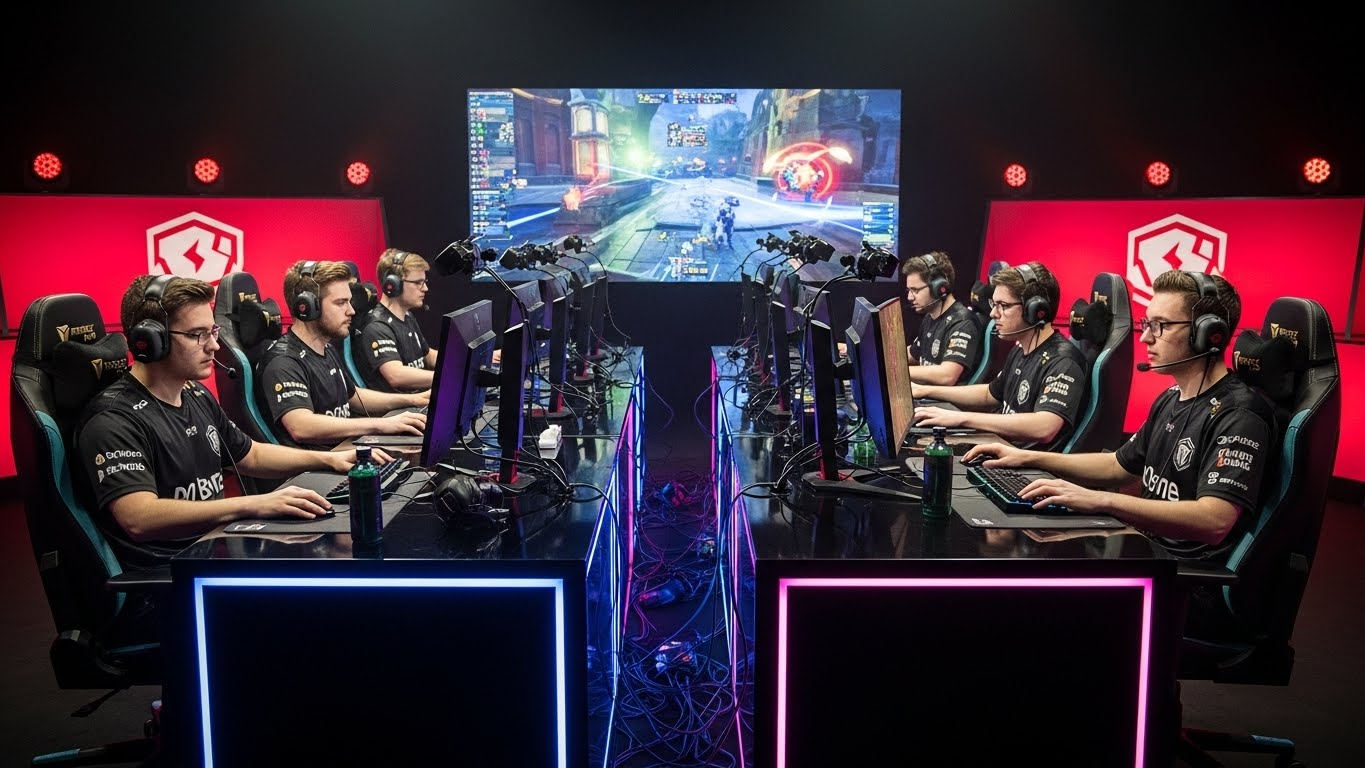
Professional esports players are athletes in every sense of the word, though their training looks different from that of traditional sports. Top players often practice for eight to twelve hours a day, honing their mechanical skills, studying opponents, and developing team strategies. Mental conditioning is equally important, as players must maintain focus, make split-second decisions, and manage stress during high-stakes matches.
Physical health is also a significant consideration. Proper diet, exercise, and posture play a role in sustaining long-term performance. Many professional teams now employ coaches, analysts, nutritionists, and psychologists to support their players. Esports has become a serious career path, requiring discipline, dedication, and resilience.
The rise of academies and training facilities has also contributed to professional development. These programs cultivate young talent and provide structured guidance, ensuring a steady pipeline of skilled players ready to compete at the highest levels.
The Global Audience of Esports
Esports is not just about the players; it is also about the fans. Millions of viewers worldwide follow competitive gaming across multiple platforms. Unlike traditional sports, fandom in esports is often based on player personality, skill, and game preference rather than geographic location. A fan in Asia might support a team from Europe, creating a truly global community.
Streaming platforms and social media play a vital role in connecting players and fans. Audiences can watch live competitions, interact with commentators, and engage with other fans in real time. This accessibility fosters a strong sense of community, with fan-created content, fan theories, and discussion forums further enhancing engagement.
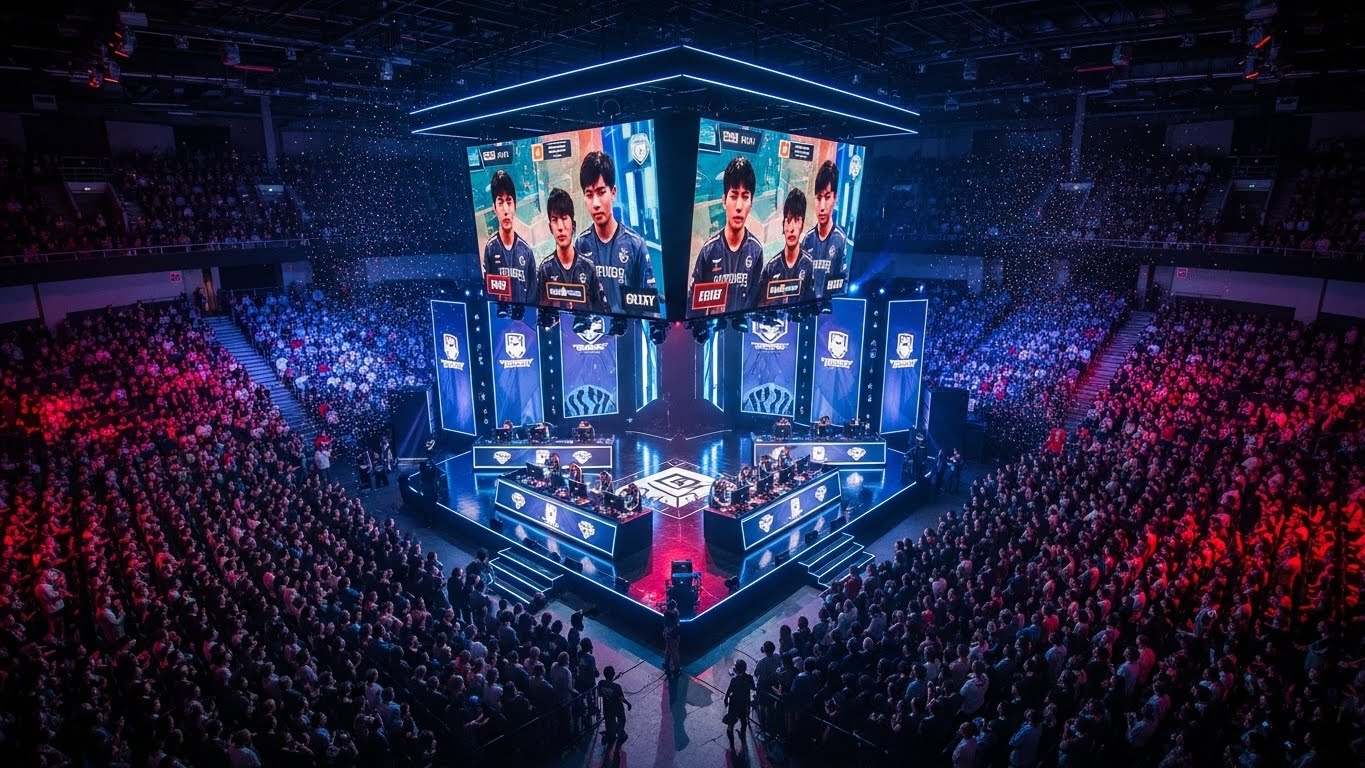
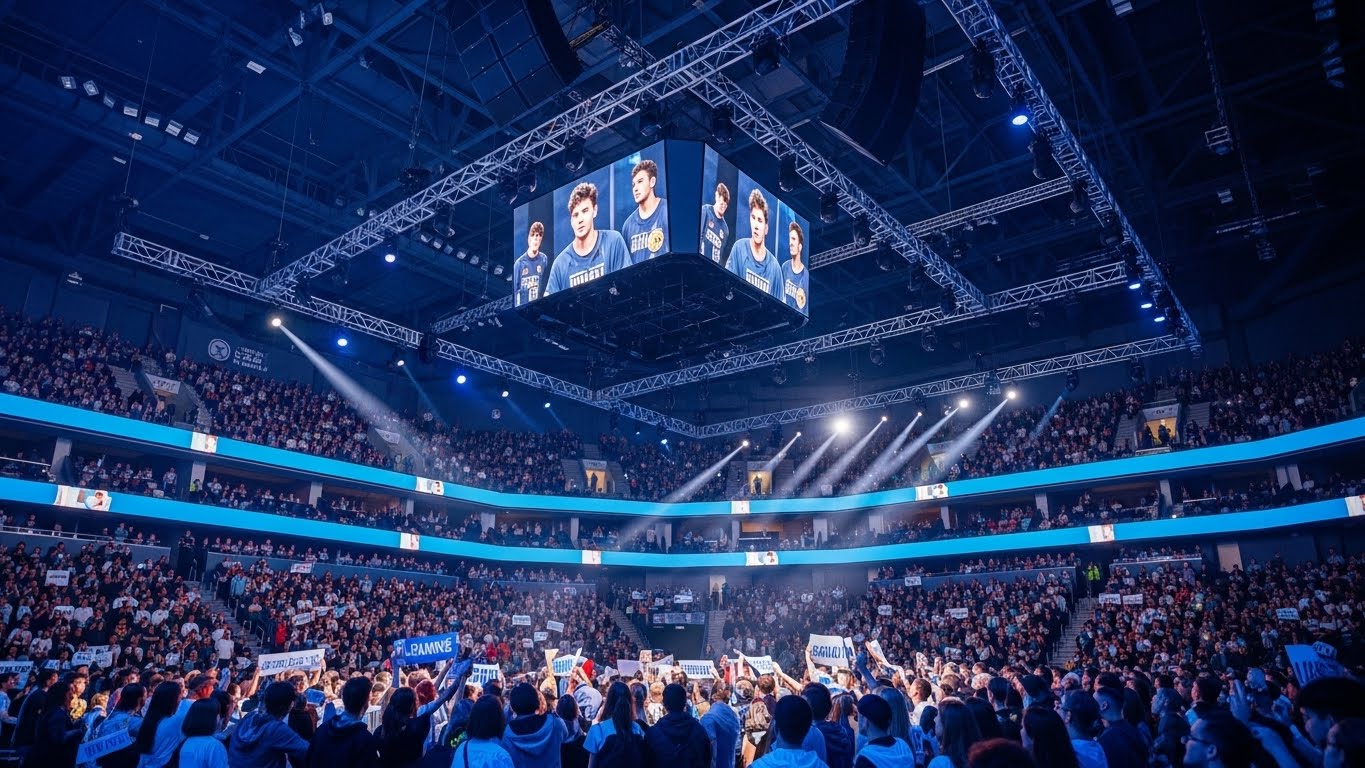
Large-scale esports events can rival traditional sporting events in spectacle. Crowded arenas, cheering fans, dramatic gameplay, and elaborate stage production create an immersive experience. The excitement of watching a live match, combined with the ability to follow every move online, makes esports a unique form of entertainment.
Career Opportunities Beyond Playing
While professional players are the most visible figures in esports, the industry provides a wide range of career opportunities. Coaches, commentators, analysts, managers, tournament organizers, and content creators are all crucial to the ecosystem. Universities and colleges have even begun offering esports scholarships, recognizing the value of talent in this emerging field.
Educational programs focused on esports management, game design, and content production are also expanding. Students can now gain practical experience while pursuing their passions. The growth of the industry ensures that careers in esports are not limited to playing professionally, offering diverse avenues for employment and innovation.
Economic Growth and Industry Impact
Esports has emerged as a multi-billion-dollar industry fueled by sponsorships, advertising, media rights, merchandise, and tournament winnings. Global brands across technology, automotive, apparel, and food sectors have invested heavily in esports, recognizing its influence over younger audiences.
The economic impact extends to cities that host large tournaments. Events bring tourism, media attention, and business revenue. Dedicated esports arenas have been constructed in major cities, highlighting the industry’s long-term viability. Game developers play a central role by supporting competitive gameplay, organizing events, and introducing new content to maintain fan engagement.
This collaboration between developers, teams, sponsors, and event organizers has created a sustainable ecosystem, ensuring continuous growth and investment.
Educational Benefits of Esports
Esports has also made its way into educational institutions. Schools and universities are forming esports clubs and teams, promoting skills such as teamwork, strategy, communication, and leadership. These activities offer students opportunities to develop cognitive and social skills while engaging with modern technology.
Participation in esports also fosters technological literacy. Students gain hands-on experience with software, hardware, broadcasting, and content creation. By integrating learning with a fun and interactive environment, esports provides an innovative way to enhance education while preparing students for future careers.
Challenges Facing the Esports Industry
Despite its rapid growth, esports faces several challenges. Player burnout and mental health are significant concerns. Long practice hours and intense competition can lead to stress, fatigue, and physical issues. Teams and organizations are increasingly recognizing the importance of wellness programs and balanced schedules to protect players’ health.
Regulation and standardization are ongoing challenges. With competitions held globally, ensuring consistent rules, fair contracts, and ethical standards is complex. Preventing cheating, managing player rights, and maintaining competitive integrity require continuous oversight.
The fast-paced nature of gaming also presents a challenge. Popular titles can rise and fall quickly, and sustaining long-term interest in specific games demands careful management from developers and event organizers.
The Future of Esports
The future of esports is bright and full of potential. Emerging technologies like virtual reality, augmented reality, and cloud gaming are poised to create more immersive and interactive experiences. Tournaments may become increasingly global, with fans able to participate virtually while players compete on a new level of interactivity.
Esports is also likely to see further integration with traditional sports, music, and entertainment industries. Collaborations and crossovers will generate new opportunities for players, organizations, and fans alike. Educational and career pathways will continue to expand, supporting a new generation of talent.
Ultimately, esports is more than just gaming. It represents a cultural movement, combining technology, competition, creativity, and community. Its growth demonstrates the power of digital media to connect people, inspire passion, and redefine what it means to compete.
Esports has transformed the way we think about competition, entertainment, and community. From small-scale local tournaments to global spectacles watched by millions, it has become a legitimate industry and cultural phenomenon. As technology continues to advance, esports will remain at the forefront, inspiring new generations of players, fans, and innovators. The digital arena is no longer just a hobby—it is a revolution in how we engage, compete, and connect.